
Show summary Hide summary
As shoppers debate spreads in the grocery aisle, dietitians say the best choice between butter and margarine depends less on a single label and more on the product type and your health priorities. Updated guidance from nutrition experts in June 2026 emphasizes that both contain useful nutrients and potential downsides — so context matters for heart health, cooking and portion control.
Different roots, different fats
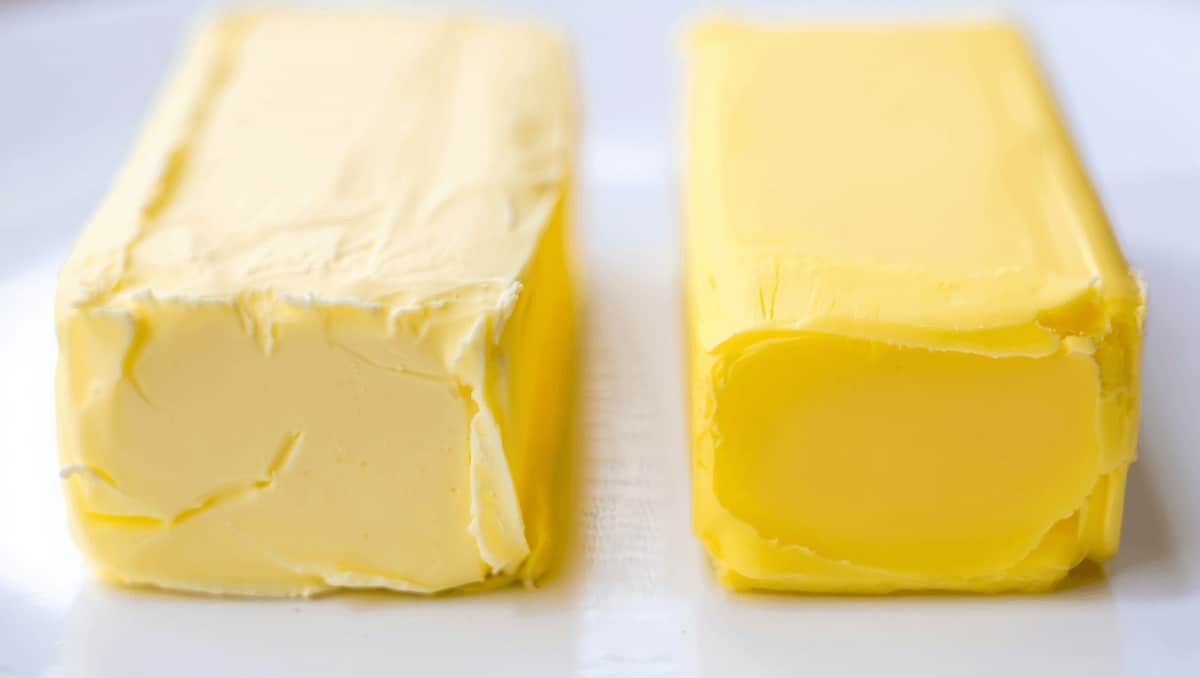
Butter is a traditional dairy product produced by churning cream until the fat separates from the liquid. Because it’s an animal-derived fat, butter typically carries higher levels of saturated fat and naturally occurring cholesterol.
Boxing champions ditch long runs for high-intensity training: new era in fight prep
Czech nationals among victims of Pinedale-area crash: two confirmed dead
Margarine began as an economical substitute and is made from blended vegetable oils that are processed to be solid at room temperature. That base makes many margarines richer in unsaturated fats, including mono- and polyunsaturated varieties valued by heart-health guidelines.
What to watch on the nutrition label
Some features are worth checking every time you buy a spread:
- Look for the words “partially hydrogenated” — this signals industrial trans fats, which most experts advise avoiding.
- Compare amounts of saturated fat per serving; higher amounts can raise LDL cholesterol when consumed often.
- Note fortification: certain margarines are supplemented with vitamins A and D, while butter naturally supplies vitamin A and small amounts of vitamin D and K.
| Feature | Butter | Margarine (soft, plant-oil based) |
|---|---|---|
| Primary source | Dairy fat (cream) | Vegetable oils (soybean, canola, sunflower, etc.) |
| Dominant fat type | Saturated fat | Unsaturated fats |
| Calories | ~100 kcal | ~80–100 kcal (varies) |
| Vitamins | Vitamin A, some D & K | Often fortified with A and D |
| Processing concerns | Minimal processing; animal-derived | More processed; watch for trans fats and additives |
Health trade-offs and what new guidance emphasizes
Cardiovascular recommendations across professional bodies still favor replacing foods high in saturated fat with sources of unsaturated fats when possible. That pushes many experts to suggest soft margarines made from liquid vegetable oils over butter for people focused on reducing heart-disease risk.
At the same time, nutrition specialists note other considerations: some people prefer minimally processed foods and may accept moderate butter use within an otherwise balanced diet. Both spreads are calorie-dense, so habitual large portions can contribute to weight gain regardless of which is chosen.
Importantly, modern margarine formulations have changed. Many brands no longer use partially hydrogenated oils — the main source of harmful trans fats — but processing and added stabilizers remain factors for consumers to weigh.
Practical choices for different priorities
- If heart health is your priority: choose a soft tub margarine or spread labeled as made from liquid plant oils and with low saturated fat; confirm no partially hydrogenated oils on the ingredient list.
- If you favor whole, minimally processed foods: small amounts of real butter can fit into a varied diet — keep portions modest and limit frequent high-saturated-fat foods.
- For baking and flavor: butter remains a preferred option for many recipes for its taste and texture, though some plant-based spreads work in specific baked goods.
Bottom line: there isn’t a universal “healthier” answer. Consider your personal risk factors, check labels for trans fats and saturated fat, and treat both spreads as something to use sparingly rather than abundantly.