
Show summary Hide summary
Vibration platforms have moved from gym curiosity to a common fixture in studios and home gyms — but do they deliver real health gains? Recent expert commentary clarifies where these devices may help, who could benefit most, and why they should be seen as an adjunct rather than a cure-all.
How the machines affect the body
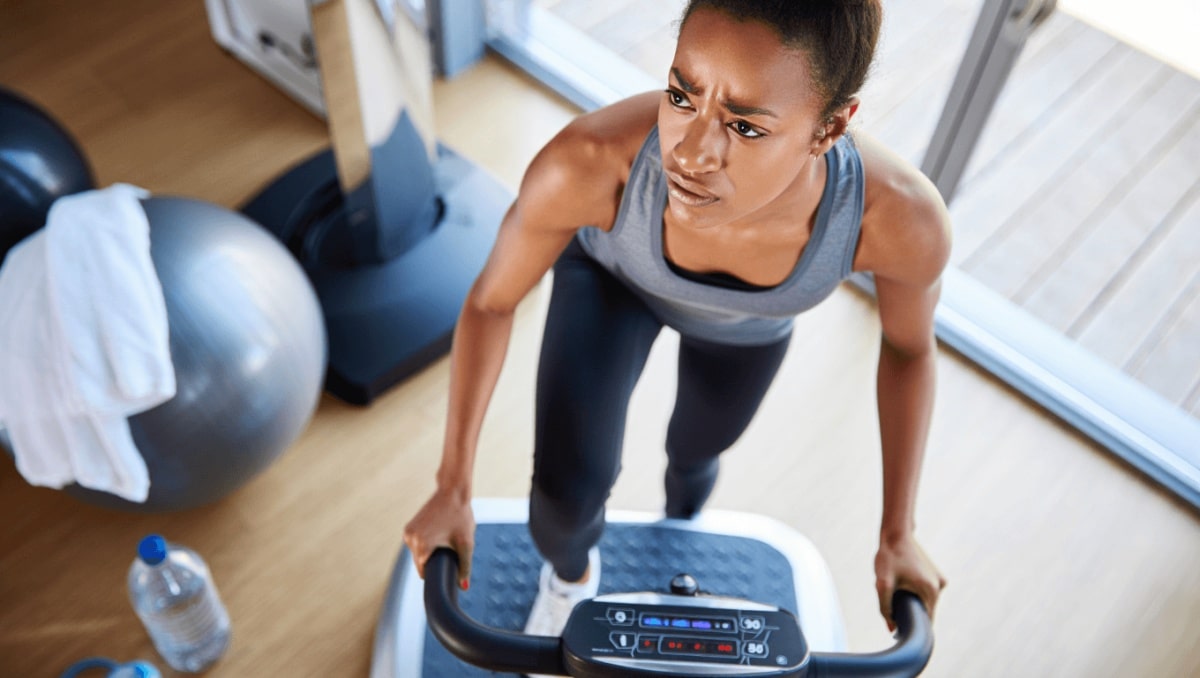
Dr. Natasha Trentacosta, an orthopedic surgeon at Cedars‑Sinai Medical Center, explains that these platforms vibrate rapidly — typically in the range of about 20–60 vibrations per second — producing a subtly unstable surface. That instability forces the body into constant micro-adjustments, recruiting muscles, particularly the core, to maintain balance.
Boxing champions ditch long runs for high-intensity training: new era in fight prep
Czech nationals among victims of Pinedale-area crash: two confirmed dead
In plain terms: standing or exercising on a vibrating platform increases neuromuscular activation compared with the same movements on solid ground. That extra engagement can make simple movements feel more challenging and may improve balance and control, which is especially relevant for older adults or people recovering from injury.
Evidence and limits: strength, weight and bone health
Laboratory and small clinical studies show measurable changes in muscle activation and postural responses while people use these devices. However, the data do not robustly support claims that vibration platforms alone produce significant increases in strength, major fat loss, or replace conventional training.
There is some preliminary evidence that vibration therapy can influence bone turnover, which has prompted interest in its role for bone health. Still, experts caution that platforms should not be treated as a standalone treatment for osteoporosis; proven interventions like resistance training, nutrition and medical management remain primary.
Put bluntly: think of a vibration platform as a supplementary tool that can enhance certain exercises, not as a substitute for a comprehensive fitness or medical plan.
Potential benefits for circulation and lymph flow
Another area under investigation is whether vibration can assist lymphatic drainage. The concept is straightforward — vibration may stimulate the small muscle contractions that help move lymph fluid — and early results suggest possible short-term improvements in people with mild lymphedema or very limited mobility.
But high‑quality, long‑term studies are sparse. Clinicians warn against abandoning established therapies such as compression garments or prescribed lymphatic drainage techniques in favor of a platform. For some patients, the device could be an adjunct that mildly improves comfort or circulation when used under guidance.
Who is most likely to benefit?
According to clinicians, the groups that may see the greatest practical benefit are:
- Older adults regaining balance and basic strength after deconditioning or injury
- People with mild mobility limitations who cannot perform standard exercise easily
- Athletes using short, high‑intensity protocols as a warm‑up tool to increase neuromuscular readiness
For the general population seeking weight loss or large strength gains, traditional exercise programming — consistent aerobic work, progressive resistance training and nutrition — remains the more effective route.
Choosing a platform and getting started
Not all vibration devices are the same. Two common motion types are:
- Oscillating (see‑saw): the platform tilts side-to-side. Many users find these gentler and easier to tolerate for balance work.
- Vertical: the deck moves straight up and down. This can feel more intense and is often used in higher-performance settings.
Other practical shopping and safety points:
- Try shorter sessions at first — one to two times weekly — and focus on basic standing, squats or heel raises with a stable support nearby.
- Higher frequencies and intensities are more likely to be used for athletic conditioning and tend to carry higher price points.
- If you have lymphedema, osteoporosis, cardiovascular issues or are pregnant, consult a healthcare provider before using a platform.
Putting it in context
When integrated sensibly, a vibration platform can add variety to a routine, boost muscular engagement during simple movements and offer potential circulatory benefits for select users. Its appeal is strongest as an accessory for warming up, rehabilitation or balance training — not as a quick fix for weight loss or bone disease.
Understanding those limits will help users set realistic expectations and avoid replacing proven therapies with a single gadget. For many, the best outcome is modest improvement in stability and comfort when the device is used alongside conventional exercise and medical advice.