The Cheyenne City Council on Tuesday blocked a last-minute effort to pause the annexation of a 3,460‑acre parcel Microsoft plans to buy for a major data center complex, moving the proposal closer to final approval and setting up a crucial July 13 vote. The decision narrows the window for additional public negotiation over environmental, fiscal and community protections tied to the project.
The council rejected a motion to delay or send the annexation back to committee by a 7–3 margin, then advanced the ordinance through second reading; it now goes to the Public Services Committee for another hearing before returning to the full council for a final vote on July 13.
The delay motion, introduced by Councilors Lawrence Wolfe and Pete Laybourn, sought an enforceable agreement with Microsoft that would require commitments on resource use, emissions and community impacts and would have obligated the company to pay the city up to $50 million over five years.
Boxing champions ditch long runs for high-intensity training: new era in fight prep
Czech nationals among victims of Pinedale-area crash: two confirmed dead
Supporters of the postponement argued that such conditions would give Cheyenne leverage to protect local water, wildlife corridors and quality of life as the campus is developed on the city’s edge. Opponents said many of the safeguards proposed are already part of permitting and state oversight, and that forcing financial concessions from a private developer could set a problematic precedent.
- Key conditions proposed: efficiency commitments for water and energy; plans to mitigate traffic, noise and lighting; protections for cultural resources and migration routes; workforce projections and waste/emissions inventories.
- Financial terms: $50 million total, paid in $10 million annual installments beginning July 1, 2027 and concluding in 2031; the motion allowed the city to invest or spend funds with final control resting with municipal officials through 2036.
- Next steps: Public Services Committee review, then final City Council vote scheduled for July 13.
Councilor Jeff White said he voted against the delay because requiring payment from a developer to proceed felt like a violation of private property rights and risked creating an inconsistent standard for future projects. He warned the city could face pressure to demand similar payments from other businesses.
“It concerns me to treat businesses differently simply because of their size,” White said during the meeting, arguing that municipal demands for payment could become an unpredictable precedent.
Councilor Ken Esquibel framed the issue as largely a state-level one, noting tax policy and Wyoming’s climate are primary reasons data centers choose the state. He urged residents opposing the centers to take their concerns to the state legislature rather than rely solely on local zoning tools.
Councilor Kathy Emmons countered that many of the environmental and public‑health studies supporters sought would be required under existing federal, county and city permitting processes, making a postponement unnecessary. The council previously rejected a broader moratorium on data center development by an 8–1 vote in May.
Mark Moody, who joined Wolfe and Laybourn in voting for the delay, said the proposed hold would not be a moratorium but a way to maintain public involvement and negotiate stronger community benefits before annexation, zoning and rezoning are finalized.
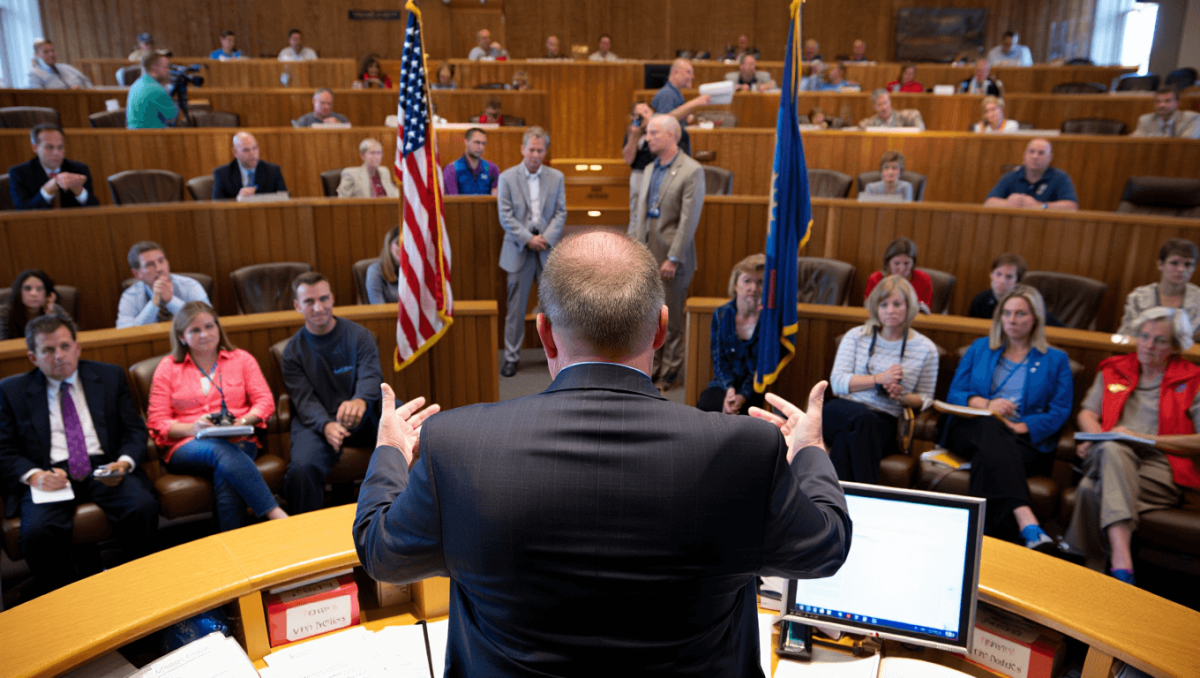
The council chamber was packed for the discussion. Representatives from Microsoft, union members and residents opposed to the annexation stood along the walls waiting to speak. Several public commenters urged the city to negotiate more tangible community returns—one suggested the city seek funds to restore the shuttered YMCA as a community center rather than rely on voluntary donations.
Opponents of advancing the annexation warned that once the city annexes and rezones the land, opportunities for public influence over development details will shrink. Wolfe said annexation followed by zoning changes would effectively move many decisions behind closed doors, limiting direct community input.
For residents, the stakes are practical: water allocation, power demand, local traffic patterns, and potential impacts on air quality and wildlife corridors. For the city, the choice balances attracting large-scale investment and jobs against negotiating control and compensation for long-term community costs.
With the ordinance now headed to the Public Services Committee and a final council decision set for July 13, Cheyenne officials and residents will have one more formal opportunity to press for protections and conditions before the annexation becomes final.