
Show summary Hide summary
At a seaside wellness center in South Carolina, a growing number of visitors are pairing medical weight-loss drugs with structured lifestyle coaching — a combination that is changing how some people plan for long-term health. With prescriptions for GLP-1 medications climbing sharply over the past two years, the question many face now is not only whether the drugs work, but how to build habits that last when the prescriptions end.
Inside a GLP-1 support program
Hilton Head Health, a resort that began as a weight-loss destination almost 50 years ago, now markets a broader wellness approach while still hosting guests focused on shedding pounds. Staff describe their role as educational rather than prescriptive: medical decisions remain with patients and their clinicians, while the resort teaches the practical skills that can support those choices.
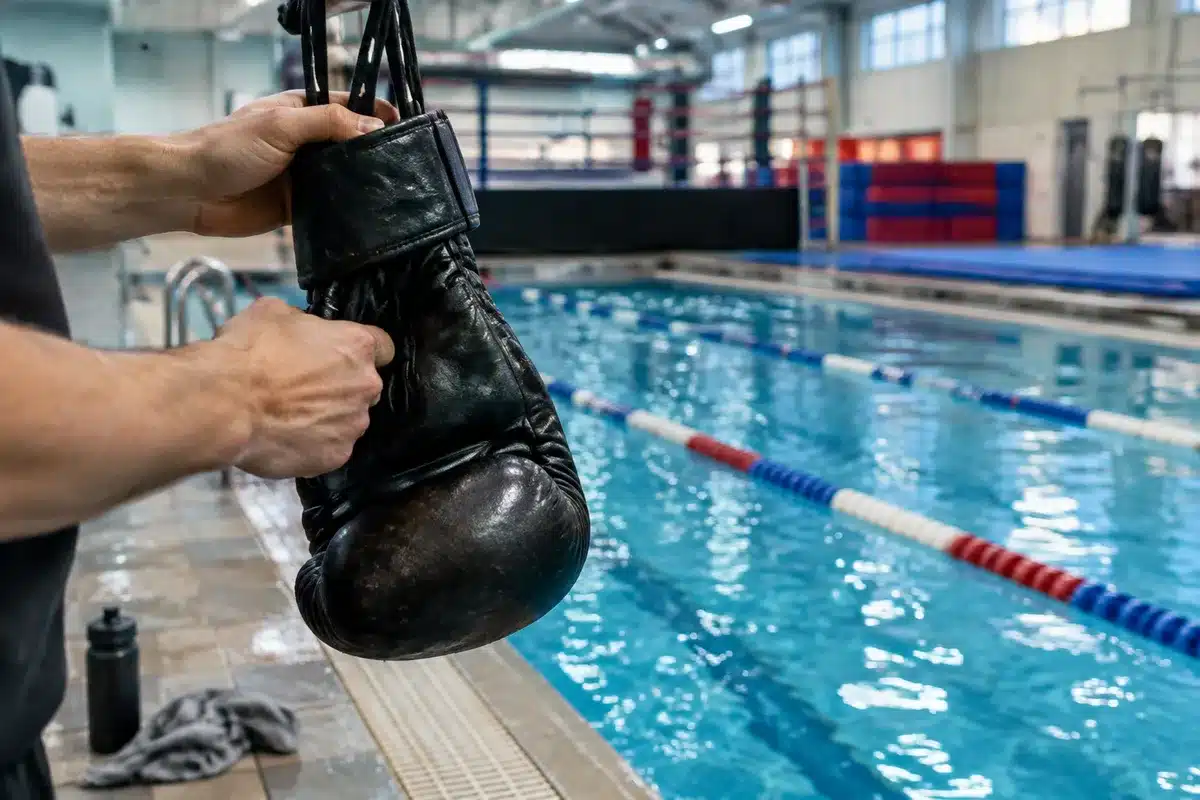
Boxing champions ditch long runs for high-intensity training: new era in fight prep
Czech nationals among victims of Pinedale-area crash: two confirmed dead
During designated weeks the resort runs a GLP-1 Support track that extends beyond a single overview class. Participants encounter testing, coaching and hands-on learning designed to align medication use with sustainable habits.
- Body composition and metabolic testing to establish baseline muscle mass and metabolic rate.
- Biomarker screening for inflammation and glucose regulation to tailor guidance.
- Nutritional workshops and chef-led cooking demos focused on mindful portions and nutrient density.
- Strength training sessions and small-group coaching to protect or build muscle.
- Group discussions that explore mindset, planning for home and strategies to handle returning appetite.
- Access to the resort’s full activity schedule — from meditation to circuit classes — plus on-site lodging and meals.
Why these elements matter
Clinicians and educators at the resort emphasize two linked realities: GLP-1 drugs alter appetite and metabolism at a hormonal level, and stopping them often brings weight regain for many people. Research published in recent years documents that some patients regain lost weight when medication is discontinued, underscoring that pharmacology alone rarely creates a permanent change.
That biological effect makes learning new behaviors essential. If medication quiets hunger signals, then habits around meal planning, food awareness and movement become the replacement controls once the drug is reduced or stopped.
Staff trainers stress preserving muscle during weight loss. According to the Mayo Clinic and other authorities, reduced muscle mass can follow rapid weight loss — a consequence that weakens metabolism and raises the risk of regaining fat. At the resort, instructors routinely encourage resistance work and progressive strength training so losses are primarily fat rather than lean tissue.
Body neutrality is another central theme in the program: rather than fixating on the scale, coaches ask participants to evaluate daily function, energy levels and mental well-being. That shift helps create realistic, actionable goals that persist after a weekend or week away.
What this means for someone considering GLP-1s
For readers thinking about these medications, the takeaways are practical and immediate. Expect conversations with your prescribing clinician about goals and timelines, and consider seeking behavioral support that prioritizes muscle maintenance and long-term eating strategies. Without intentional habit-building, appetite and weight are likely to rebound when the drug’s effect declines.
At the resort I visited, educators say the aim is not to promote or oppose GLP-1s but to increase the odds of lasting benefit — whether a guest stays on medication or not. In their view, combining medical therapy with measurable lifestyle changes gives people the best chance of keeping improvements in place.
Quick points to consider
- If you start a GLP-1, plan for strength work to protect muscle mass.
- Learn mindful eating patterns while medication is active so habits remain after stopping.
- Use objective testing (body composition, biomarkers) to track progress beyond the scale.
- Behavioral coaching can reframe success from appearance to daily function and health metrics.
As GLP-1 prescriptions become more common, retreats and programs that combine education, testing and practical training are emerging as one pathway to turn short-term drug-driven results into longer-term health improvements.