
Show summary Hide summary
Dozens of parents and spouses of active-duty U.S. service members have been detained under a recent immigration enforcement shift, creating fresh strains on military families and raising questions about readiness as the Pentagon faces ongoing global commitments. An Associated Press review shows the pattern has intensified since the administration began rolling back long-standing protections for relatives of troops.
Families that were once informally protected
For decades, close relatives of enlisted personnel were often spared detention while they sought legal status—a practical accommodation intended to keep service members focused on their missions. That informal consensus has frayed under a policy change announced in April 2025 that makes clear the government will not treat military service as an automatic safeguard against immigration consequences.
Boxing champions ditch long runs for high-intensity training: new era in fight prep
Czech nationals among victims of Pinedale-area crash: two confirmed dead
The operational result: relatives applying for relief are now being taken into custody during immigration appointments, sometimes for weeks or months, and in several cases have been deported. The Department of Homeland Security says it does not centrally track these incidents; the AP built its tally from court records, public reporting and interviews, and warns the true toll is probably higher.
Concrete effects on troops and day-to-day operations
Service members describe sudden gaps in childcare, canceled deployments and emotional turmoil. Some have taken administrative leave to care for children after a spouse was removed. Others say they cannot concentrate on training or command responsibilities while a parent or partner is detained or deported.
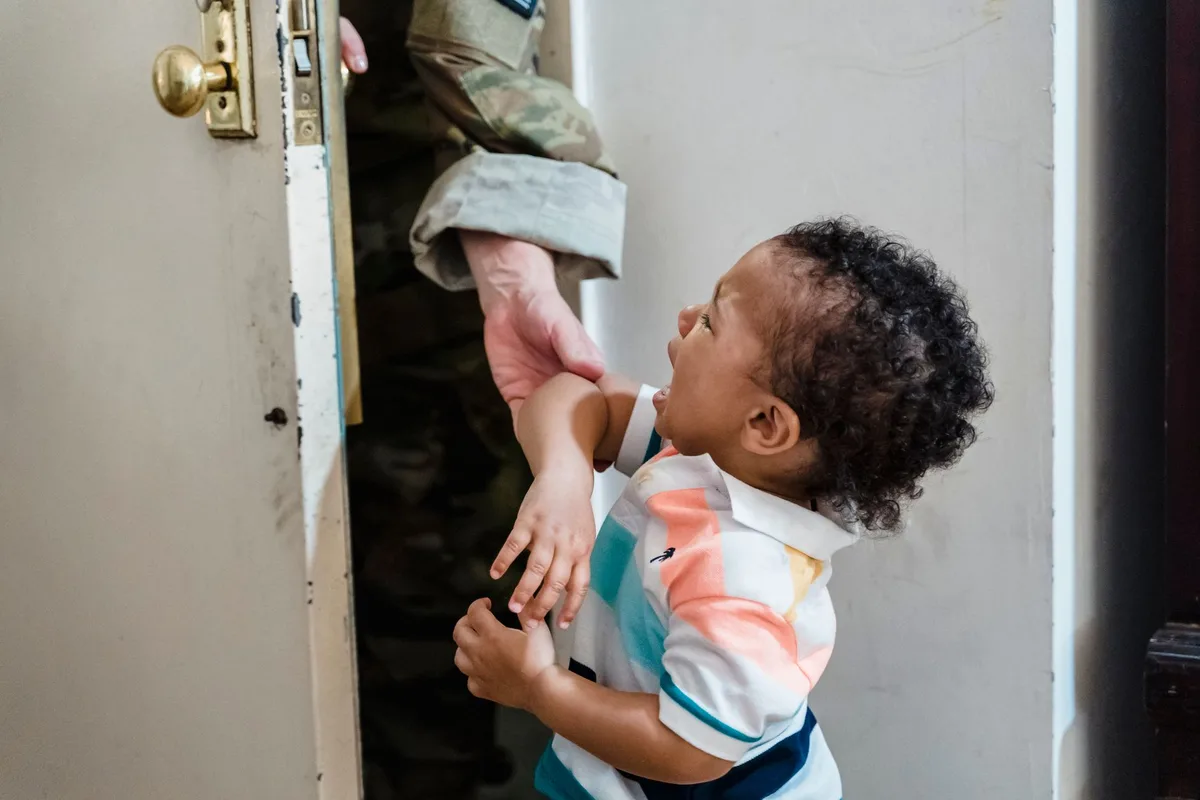
One soldier reported his wife was taken into custody in front of their young daughter outside a Walmart. Another airman watched a father — detained after visiting a U.S. Citizenship and Immigration Services office — rapidly transferred from a county jail to an ICE detention center and then deported within two weeks, with little official explanation.
Military recruiters still point to immigration benefits as an incentive for enlistment in some branches, creating a dissonance between recruiting promises and current enforcement practices.
What the numbers show
- More than 50 parents and spouses of active-duty personnel identified as detained since the administration’s policy change, according to the AP review.
- At least eight immediate family members remain in federal immigration custody.
- DHS told senators it detained 125 veterans and placed 34 into removal proceedings between Jan. 20, 2025, and Jan. 26, 2026, and arrested more than 150 of their immediate relatives.
- Processing times for parole-in-place, a pathway often used by military families, have lengthened to roughly 12 months on average, according to rates cited in the review, increasing vulnerability to detention while applications are pending.
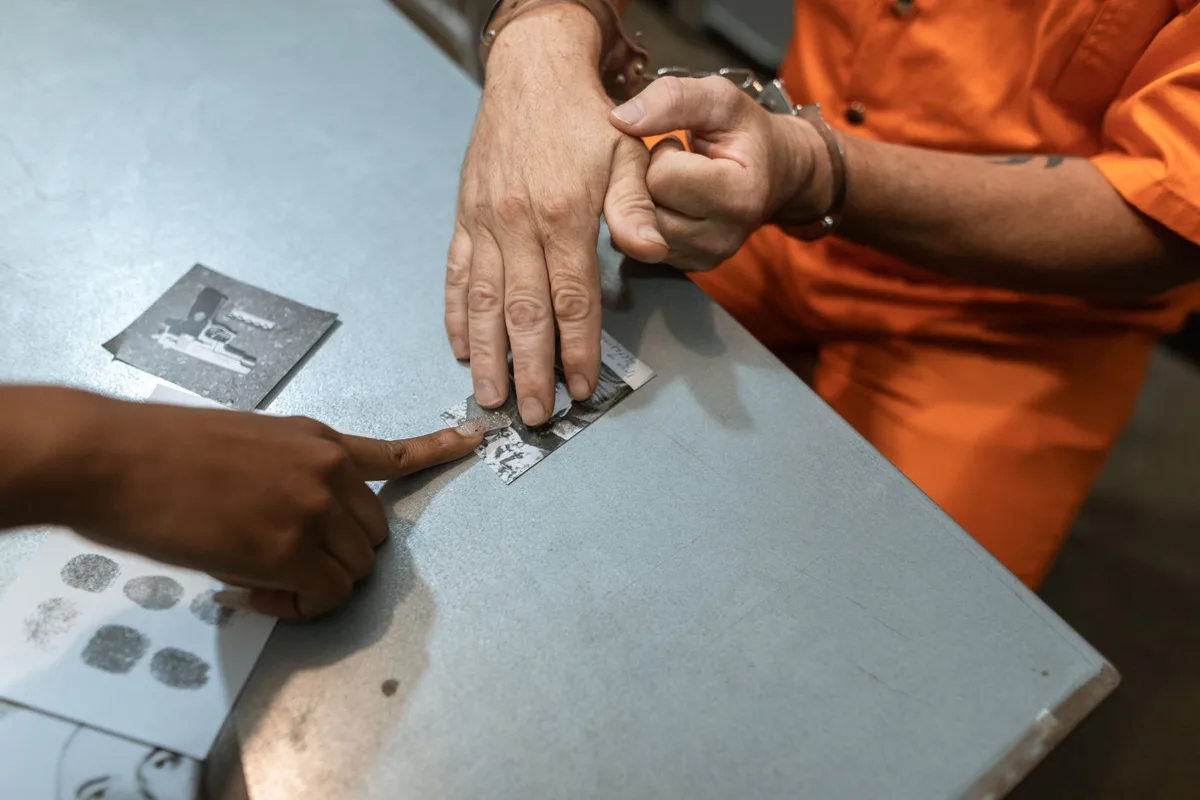
Legal and policy context
Immigration lawyers and former enforcement officials say the current approach departs from earlier practice, when authorities frequently canceled removal orders or avoided detention of close military relatives unless there were serious criminal convictions. A former ICE lawyer described the change as dramatic compared with prior enforcement norms.
Homeland Security officials contend that while they respect military service, service alone does not create legal status and does not shield individuals from immigration law enforcement. The Pentagon declined to comment on the AP’s findings.
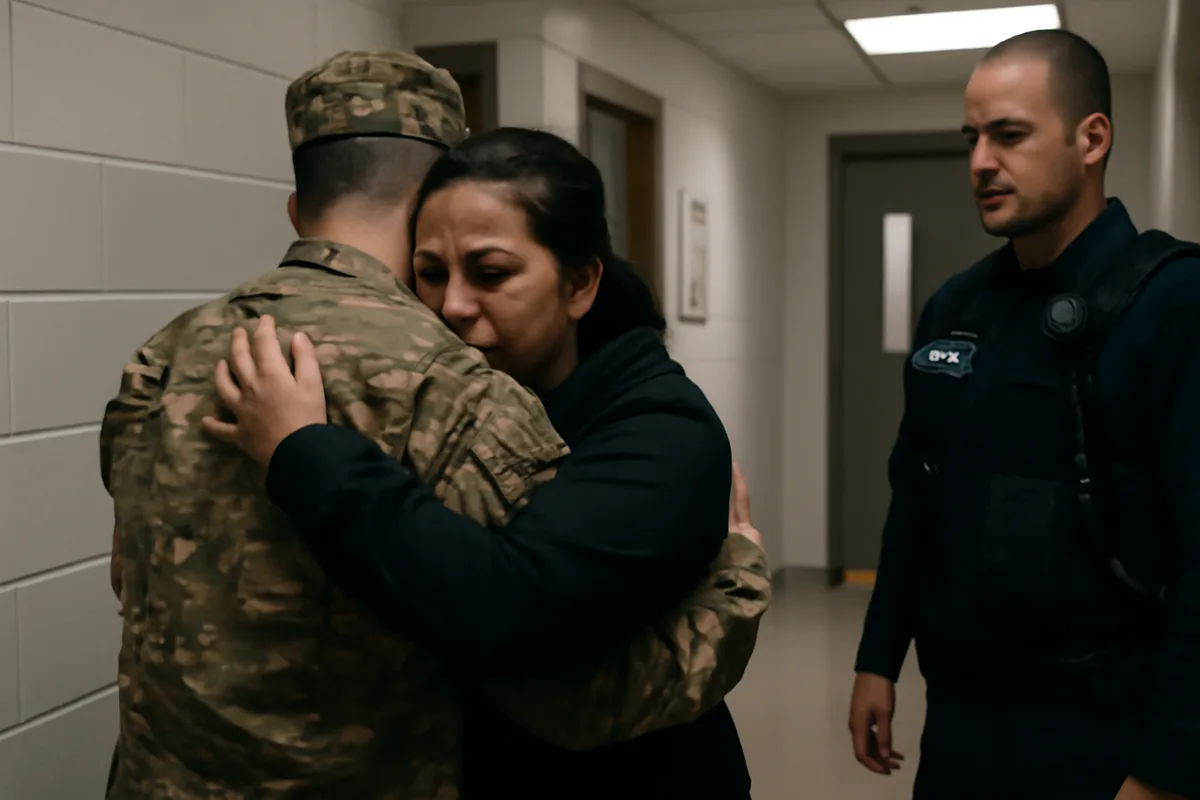
Human stories underscore the stakes
Those affected include a Marine whose mother was detained at an appointment and quickly deported despite decades in the United States, and a specialist whose father—who had lived in the U.S. nearly 20 years—was detained this summer. Service members convey a sense of betrayal when family protections touted during recruitment fail to materialize.
Lawyers say the policy change can force soldiers into impossible choices: delay or cancel a deployment, apply for emergency leave, or continue to serve while their household support collapses. That disruption, they argue, has direct implications for unit cohesion and readiness.
Recruitment promises versus enforcement reality
Military recruiting materials have long mentioned immigration relief options for relatives, including parole-in-place, which allows certain family members to seek status without leaving the country. The policy dates back to the Bush administration and is granted case by case, but longer processing times and more aggressive enforcement have reduced its protective effect.
Some branches have curtailed explicit promises about immigration protections; others continue to highlight family benefits in public outreach. Recruiters, whose role is to attract applicants, still sometimes cite immigration relief as part of the package of services available to recruits and their families.
What lawmakers and advocates are saying
Both military-focused Democrats and some Republicans have voiced concern. Members of Congress and advocacy groups for service members have criticized the change as harmful to families and counterproductive for military recruiting and retention.
Advocates warn the combination of longer processing times and more routine detention could further erode trust in an already fragile system and deter potential recruits who fear separation from loved ones.
The AP’s review of court records and interviews suggests these cases are not isolated. As lawmakers and service leaders weigh the consequences, families caught between enlistment commitments and immigration enforcement say the human cost is immediate and steep: lost caregivers, interrupted careers and mounting uncertainty.