

Show summary Hide summary
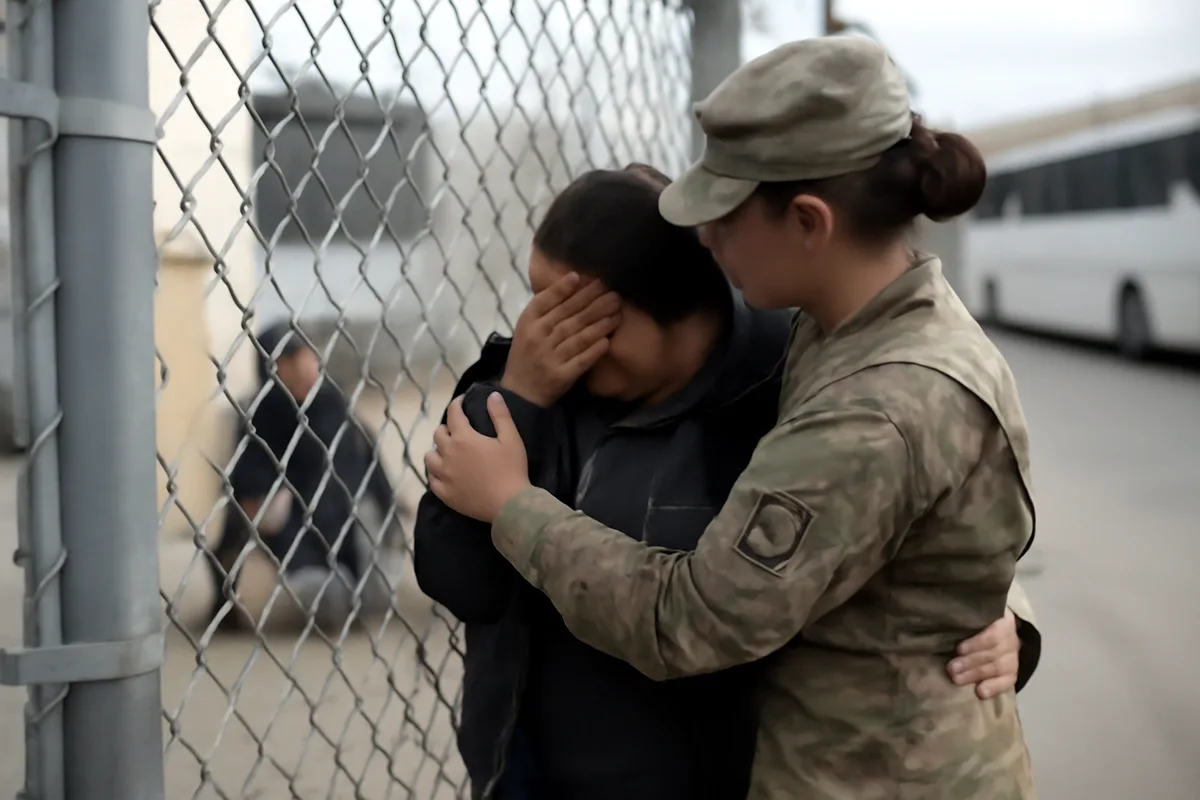
An Associated Press investigation shows a notable shift in U.S. immigration enforcement: since early 2025, dozens of parents and spouses of active-duty service members have been taken into federal immigration custody even while seeking status adjustments tied to military service. The change poses immediate consequences for service members and their units as families are separated, care arrangements unravel, and some deployments are postponed.
How many military family members have been detained?
The AP’s review identified at least 52 parents and spouses of active-duty troops who have been held by immigration authorities since the start of the current administration, with at least eight still in federal custody at the time of the investigation. The count comes from a compilation of court records and public reporting and is likely an undercount because the government does not maintain a centralized tally.
Boxing champions ditch long runs for high-intensity training: new era in fight prep
Czech nationals among victims of Pinedale-area crash: two confirmed dead
The AP compiled its findings by analyzing thousands of federal court documents assembled by Habeas Docket, a project of the Immigration Justice Transparency Initiative, cross-checking media reports and confirming cases with relatives and attorneys.
- At least 52 immediate family members detained since 2025 began.
- At least 8 remain in immigration custody.
- Cases include relatives with pending applications tied to military-related benefits and some detained while attending immigration appointments.
Why this matters now
For military households the stakes are practical and immediate. Service members depend on close family for childcare, elder care and emotional support. When spouses or parents are detained for months, units can lose readiness and individual troops may be forced into leave or delay deployments to manage caregiving responsibilities.
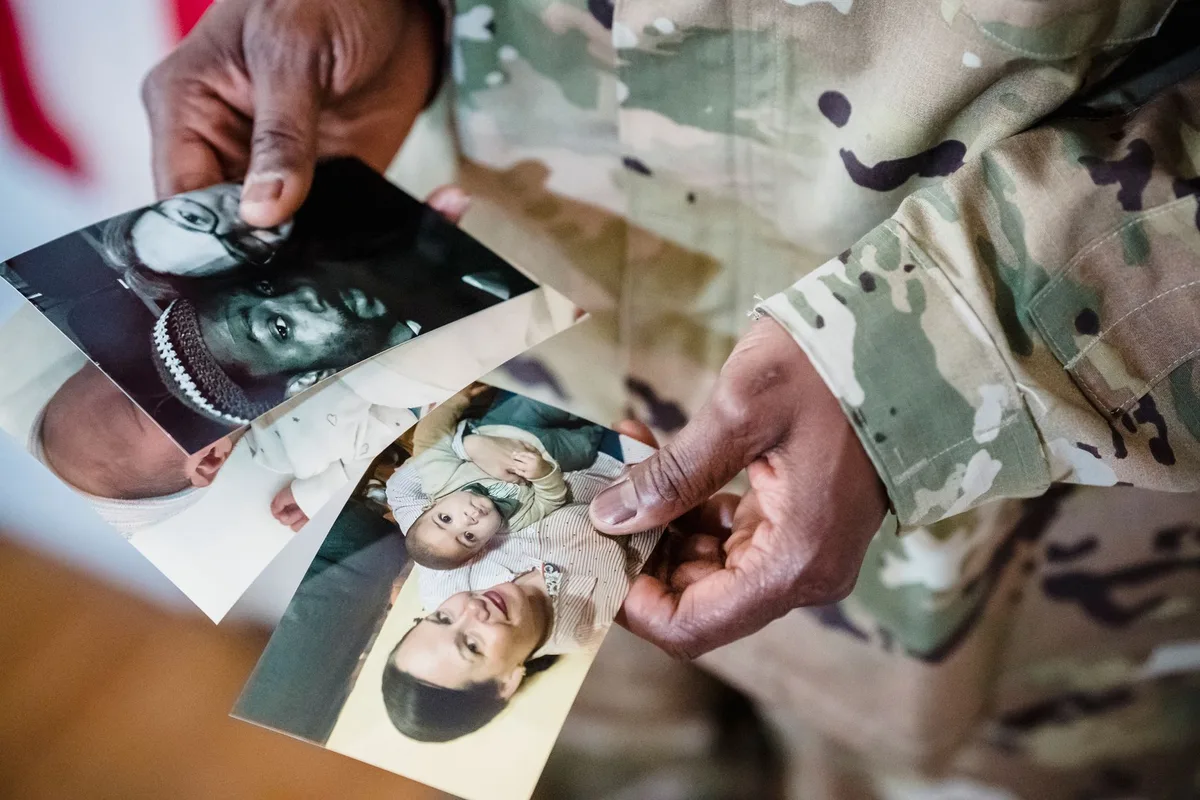
Army Staff Sgt. Alexis Jaramillo, for example, stepped away from his training role at Fort Polk, Louisiana, to care for his 5-year-old stepson after his wife was taken into custody in July. Court records and interviews collected by the AP show other service members also postponed assignments or doubled up duties after relatives were detained.
Policy shift and internal disagreement
In April 2025, the Department of Homeland Security issued guidance reiterating that military service does not automatically shield noncitizen relatives from immigration consequences. That language marks a departure from prior practice, when immigration officials rarely placed immediate family members of service members into removal proceedings unless serious criminal conduct was involved.
Dan Gividen, a former ICE deputy chief counsel who served under the previous administration, told the AP that detention of such relatives was uncommon during his tenure and called the emerging pattern “out of step” with past practice.
Families detained despite eligibility for military-related relief
One commonly cited protection is military parole-in-place, a discretionary policy created during the Iraq War that can allow spouses, parents and children of active-duty personnel or veterans to pursue legal status without leaving the United States. Although authorized under past administrations, the policy requires agency approval and can be granted or denied on a case-by-case basis.
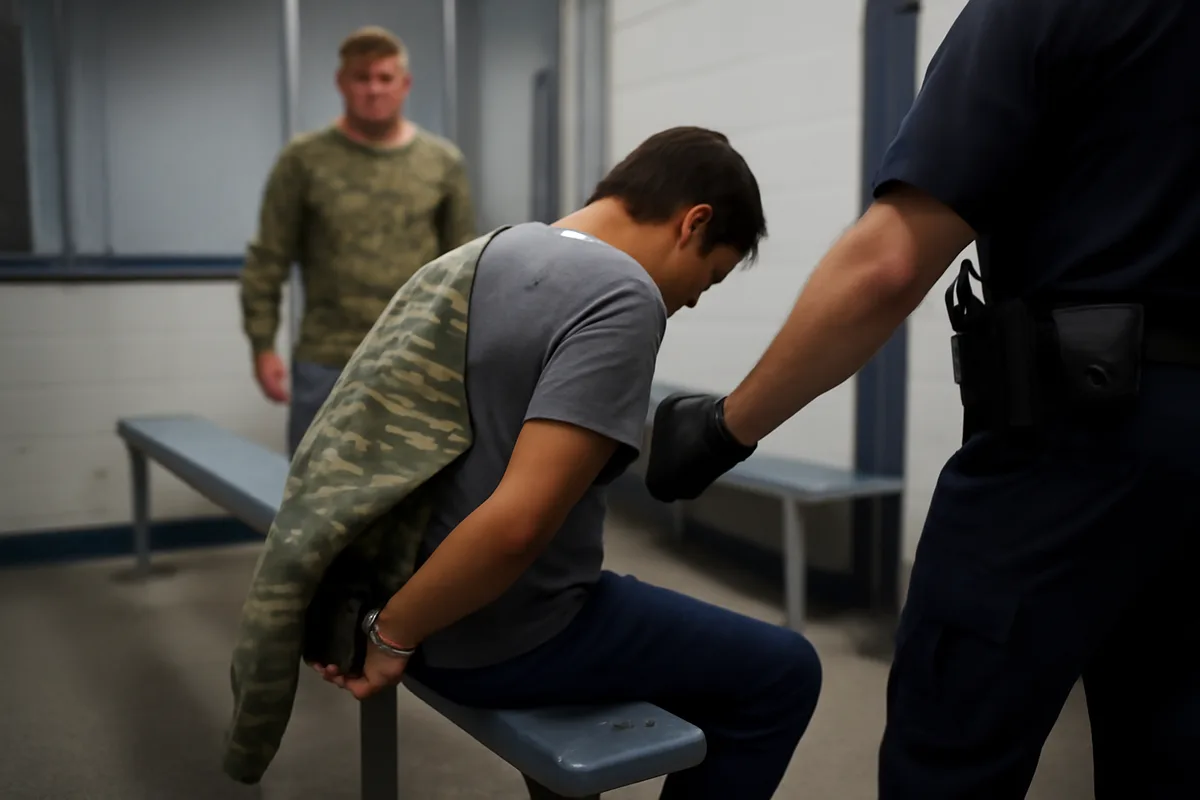
The AP’s reporting found multiple instances in which relatives with pending applications for military parole-in-place or other status adjustments were nonetheless taken into custody — in some cases while attending immigration interviews or check-ins.
Recruiting promises collide with enforcement actions
Recruiters for the Army and the National Guard continue to tell potential recruits that service can offer immigration protections for family members. The military says recruiters are expected to explain available benefits to attract applicants, but there is no centralized tracking of how often those benefits are described or whether recruiters highlight them in specific conversations.

Cpl. Jose Manuel Vilchis-Valle, who enlisted after being told he could help his parents through service, saw his mother detained at an adjustment appointment in August 2025 and deported within a week. He later received an honorable discharge. His experience highlights a growing disconnect between recruitment messages and on-the-ground enforcement actions.
Responses from agencies
DHS told the AP that while it recognizes contributions by those who serve, “U.S. military service alone does not automatically grant lawful immigration status, or exempt aliens from the consequences of violating U.S. immigration laws.” The Pentagon declined to comment for this investigation.
What to watch next
The AP’s accounting is the first comprehensive effort to quantify this trend and suggests continued scrutiny is likely, particularly given the operational implications for the armed forces and the recruitment messages that point recruits toward immigration relief.
Key questions moving forward include whether DHS and ICE will change enforcement priorities, how frequently detention will intersect with pending military parole-in-place requests, and what steps the Defense Department might take to shield service readiness from the effects of family separations.
Reporting for this article drew on public court filings, media accounts and interviews with family members, attorneys and former immigration officials.