The Justice Department’s sudden retreat from a high-profile vandalism case has raised fresh questions about how the matter was handled and who was truly to blame. Prosecutors dropped charges against former Olympian David Hearn after new Interior Department material suggested the damage to the city landmark’s pool stemmed from construction and scheduling problems, not deliberate tampering.
U.S. Attorney Jeanine Pirro filed a notice last week saying evidence recently produced by the Interior Department undercut the allegation that Hearn intentionally damaged the Reflecting Pool. The filing blamed a flawed installation by a private contractor and a rushed timeline tied to the America 250 events around July 4.
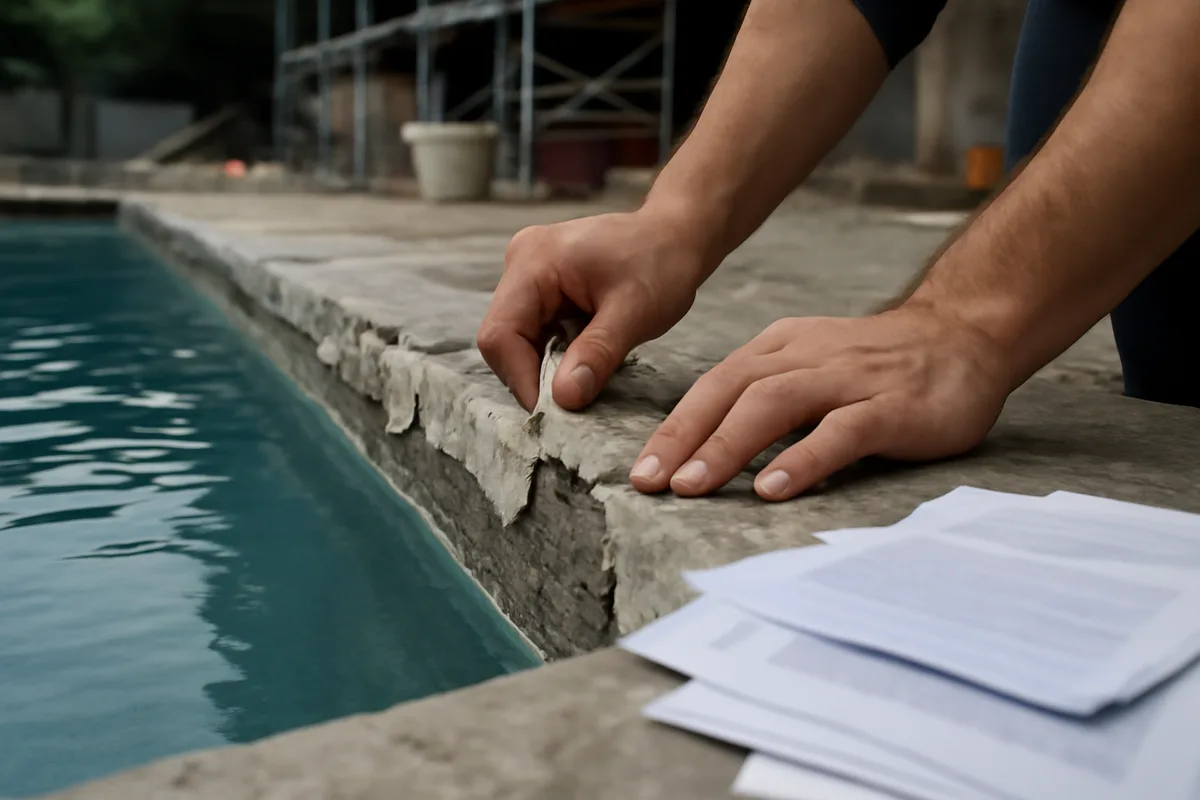
Within days Hearn’s lawyers pressed a 28-page motion in D.C. Superior Court seeking formal dismissal and asking the judge to bar any future prosecution on the same charge. They contend federal prosecutors ignored or failed to examine readily available signs that the pool’s lining was already deteriorating and that repairs would have been needed regardless of Hearn’s brief contact with the surface.
Boxing champions ditch long runs for high-intensity training: new era in fight prep
Czech nationals among victims of Pinedale-area crash: two confirmed dead
The defense argues the government moved forward with a felony indictment—carrying up to a decade in prison—without completing a basic, good-faith investigation into the root cause of the damage. Attorneys note photos, videos and media reporting had documented the liner’s condition for weeks before the charging decision.
Defense filings also point to procedural gaps: a central eyewitness reportedly never appeared before the grand jury and a prosecution witness conceded the disputed repairs were necessary regardless of Hearn’s actions and could not quantify any extra cost attributable to him.

A Virginia-based contractor that received a $14.7 million no-bid contract to repaint and waterproof the pool acknowledged before the indictment that parts of its work required corrective action, the defense says. That admission, they argue, undercuts the idea that Hearn caused the harm.

- Who: Former Olympic canoeist David Hearn; U.S. Attorney Jeanine Pirro; Interior Department; a Virginia contractor.
- What: Prosecutors dismissed vandalism charges after new Interior records suggested pre-existing installation defects.
- Where: The National Mall’s Reflecting Pool, Washington, D.C.
- When: Hearn says he touched the peeling lining during a June 19 bike ride; charges were dropped in late July after Interior disclosures.
- Why it matters: The episode touches on prosecutorial judgment, political pressure to complete renovations before celebration events, and the use of large no-bid contracts for public works.
President Donald Trump continued to assert that the pool had been vandalized and publicly defended the contractors, while the Interior Secretary backed the president’s view. That public split highlights an unusual moment of tension between the White House and a Justice Department action during the administration.
Hearn’s account, as stated in the filings, describes a brief encounter with a peeled portion of the pool lining on June 19 while bicycling; he says he released the material when a park employee told him to do so. The defense stresses that even if Hearn touched the material, the evidence does not show he caused the underlying damage.
The case’s collapse is likely to reverberate beyond this single defendant. Observers say it could prompt internal reviews of how politically sensitive matters are investigated and charged, and it may lead to litigation over whether prosecutors pursued the matter prematurely or under outside pressure.
What happens next is now in the hands of the D.C. Superior Court judge, who will consider the defense request to permanently block renewed prosecution. Regardless of the decision, the episode raises pressing questions about accountability for federal contractors, transparency in investigations, and the standards that guide the decision to bring criminal charges.