Show summary Hide summary
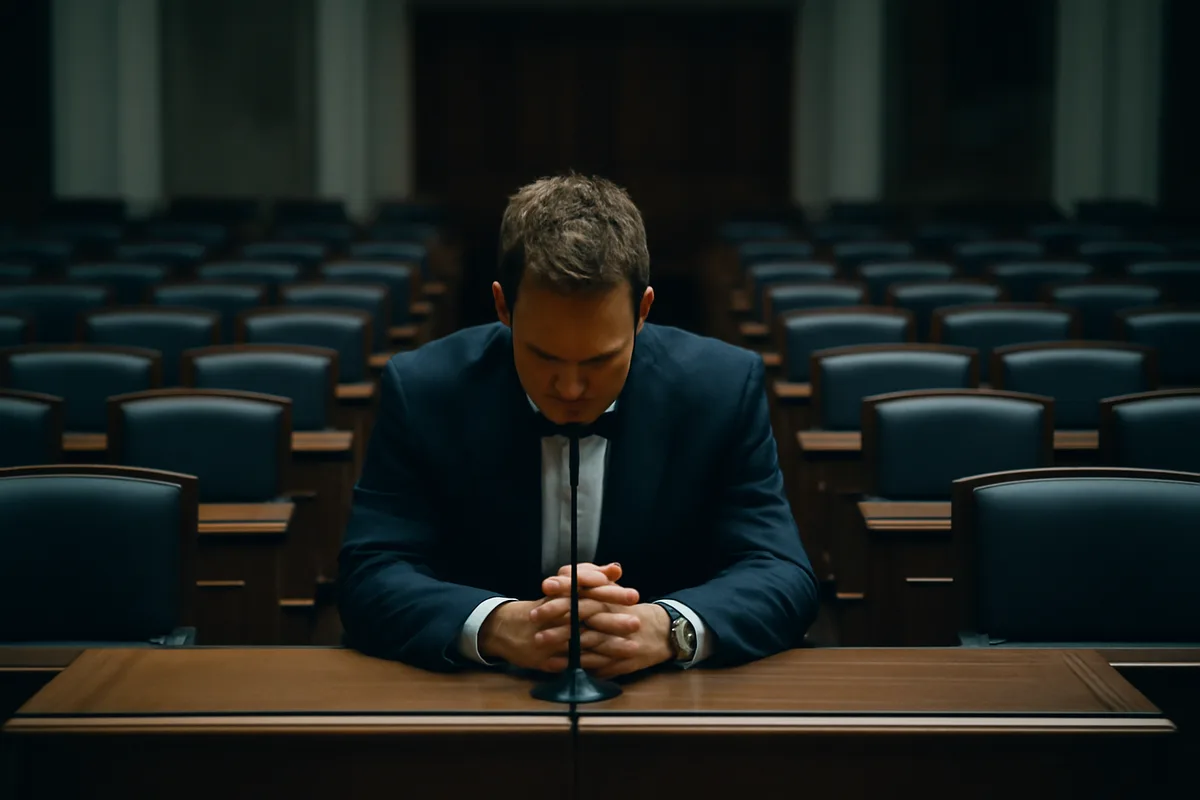
A Senate effort this week to hold Dr. Anthony Fauci in contempt for refusing to answer lawmakers’ questions has put a spotlight on the limits of presidential clemency and Congress’s power to compel testimony. The outcome could set an important precedent for how future pardons — and the lawmakers who issue subpoenas — are treated in politically charged investigations.
Senators on a Republican-led committee plan to vote on a contempt referral after Fauci declined to answer dozens of questions at a recent hearing about his role in federal pandemic response. The move would ask the Justice Department to consider criminal contempt charges, but whether prosecutors will pursue the case remains uncertain.
Why this fight matters now
Boxing champions ditch long runs for high-intensity training: new era in fight prep
Czech nationals among victims of Pinedale-area crash: two confirmed dead
The dispute is not only about one witness. Republicans argue that a broad pardon issued by President Joe Biden in January 2025 removed any realistic threat of federal prosecution for Fauci and therefore undercuts his claim to the Fifth Amendment privilege against self-incrimination. If that view is upheld, Congress could gain leverage to demand testimony from individuals who were previously thought protected by pardons.
Legal scholars counter that a presidential pardon does not necessarily eliminate all reasonable fears of prosecution. Two specific vulnerabilities keep the question murky: pardons typically do not cover potential state-level charges, and testimony could spawn separate federal investigations for false statements — exposures a pardon may not shield.
Observers also point out the broader political stakes. If prosecutors or judges accept that a pardon strips away Fifth Amendment protections, incoming presidential pardons could be used as a blunt instrument to limit witnesses’ legal defenses during congressional inquiries.
Legal case for and against invoking the Fifth
Supporters of Fauci’s choice to remain silent emphasize context: a series of public comments from Republican leaders suggesting prosecution was the aim of the hearing, and a pattern of false-statement probes opened in recent years against political opponents. Those factors, they say, could give any reasonable witness pause.
On the other side, committee Republicans contend the pardon’s scope rendered any federal criminal exposure negligible for the period it covered, and therefore Fauci had no legitimate basis to refuse to answer—even to seemingly trivial questions.
“The central legal question is whether a witness can reasonably fear criminal exposure despite a pardon,” said one lawyer who has represented clients in political investigations, noting that statements from critics questioning a pardon’s validity can affect that reasonableness judgment.
- Federal protection: A pardon can remove federal criminal liability for covered conduct, but it may not bar new federal charges tied to lying about testimony.
- State prosecutions: Pardons issued by a president do not preclude state-level charges for the same acts.
- False-statement investigations: Prosecutors could potentially pursue charges if testimony is later found to be untruthful.
- Precedential impact: Court rulings here could shape how future congressional subpoenas and presidential pardons interact.
Process and next steps
The committee plans to transmit its contempt finding directly to the Justice Department rather than seek a formal vote of the full Senate, a procedural choice intended to speed the matter toward prosecutors. That route also avoids a full-Senate vote where the motion could fail to gain the supermajority needed to advance.
Even if the Justice Department receives a referral, prosecutors face a discretionary decision: take the case to court, decline to act, or seek further investigation. Each path would carry legal and political consequences — for Fauci, for congressional oversight, and for how future pardon disputes are resolved.
Whatever the immediate outcome, legal experts say the dispute will be watched closely by defense attorneys, lawmakers and any future administrations that might use broad clemency to shield officials from accountability. The resolution will help define whether a presidential pardon can effectively nullify the constitutional protections a witness may invoke when under pressure from Congress.