Show summary Hide summary
Local police say they uncovered several people with disabilities confined in a basement and without access to their prescribed medicines, prompting an ongoing criminal inquiry and immediate welfare checks. The case has raised fresh concerns about oversight of congregate care and the potential dangers when vulnerable adults are isolated from medical support.
What authorities say happened
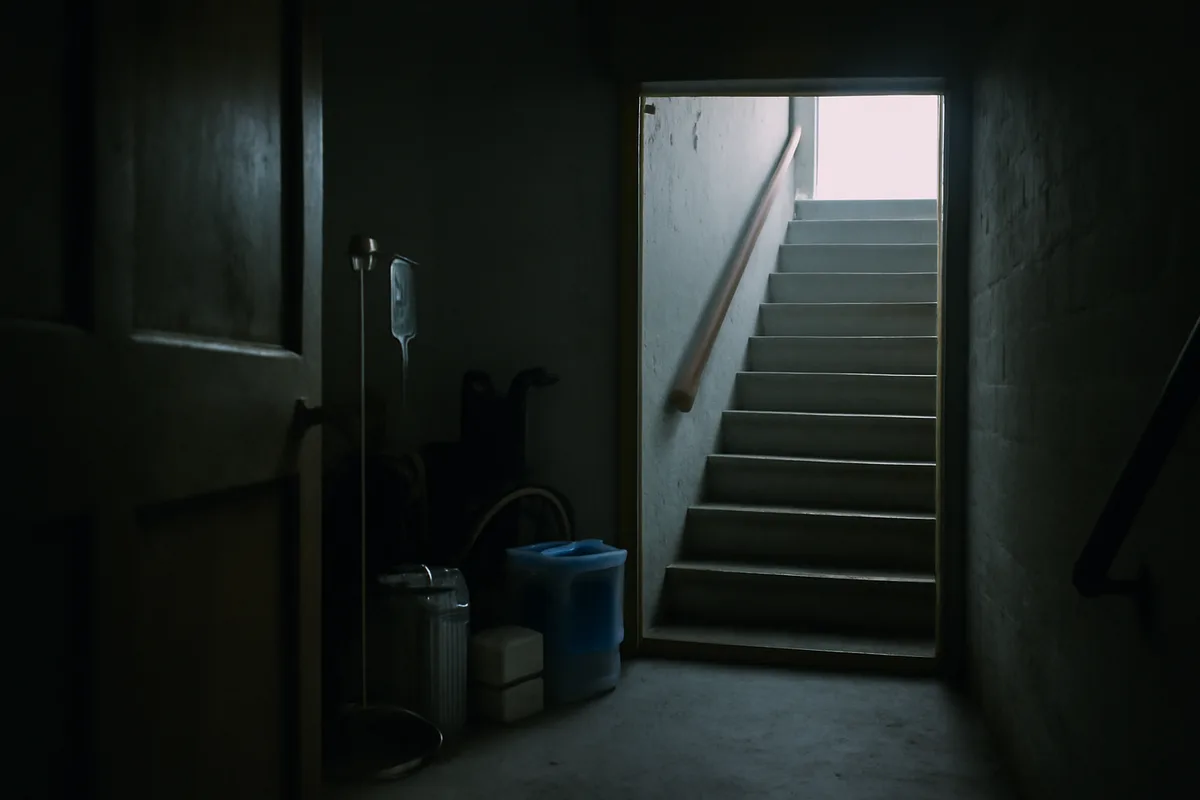
According to investigators, officers responding to a welfare call found multiple residents in a basement area that appeared to be secured from the rest of the property. Officials report some occupants were not receiving medications they are prescribed and were being supervised by individuals now under investigation.
Boxing champions ditch long runs for high-intensity training: new era in fight prep
Czech nationals among victims of Pinedale-area crash: two confirmed dead
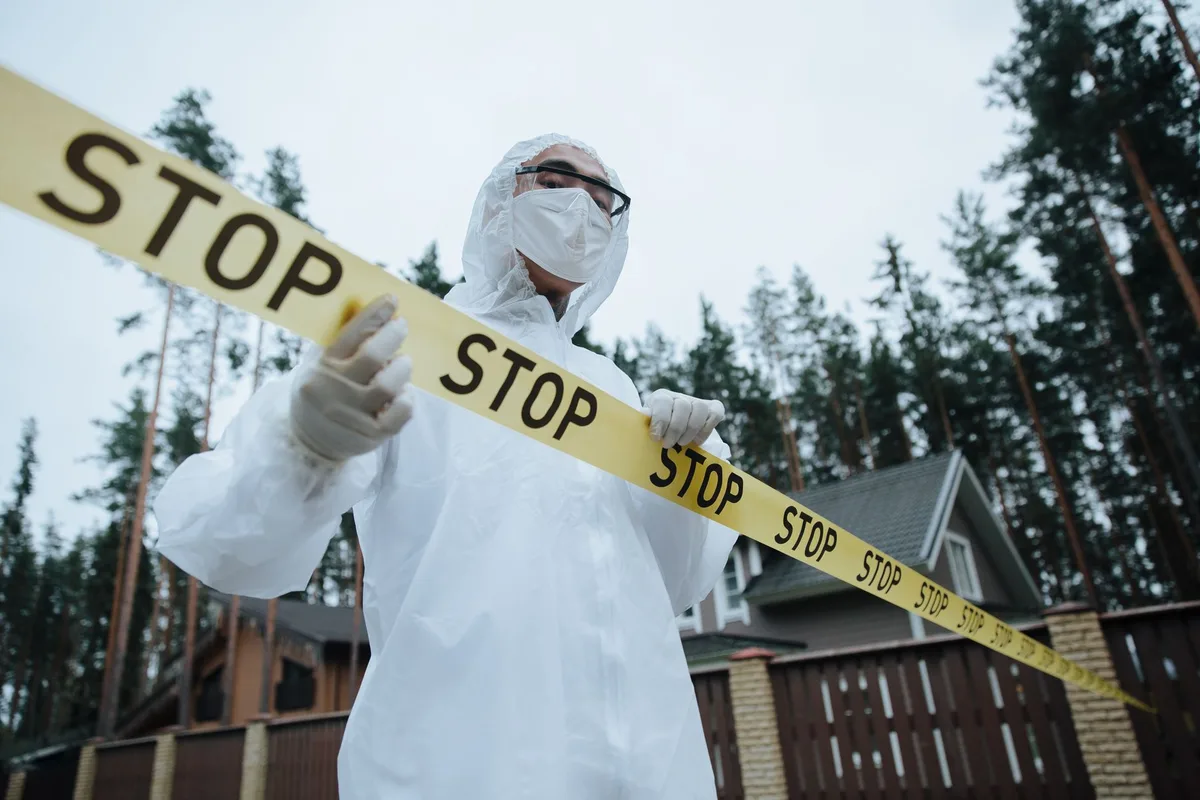
The discovery led to on-scene medical assessments and transfers of those affected to safer locations. Police confirmed the matter is being treated as a possible case of neglect and unlawful confinement while detectives gather evidence and interview witnesses.
Immediate actions taken
- Medical teams evaluated and treated residents who required urgent care.
- Law enforcement secured the scene and began a formal investigative file.
- Authorities notified adult protective services and relevant health agencies to arrange longer-term support.
- Potential suspects were identified and may face charges depending on the outcome of the probe.
The authorities have not released the identities of the people found or of any suspects pending the ongoing inquiry. Officials say the priority is stabilizing the residents and ensuring they receive uninterrupted medical treatment.
Why this matters now
With the incident classified as a welfare and criminal matter, it highlights two immediate risks: the physical harm that can result when people are denied medications, and the systemic gaps that allow confined care settings to go unnoticed. Denial of prescribed treatment can lead to rapid deterioration in chronic conditions, and isolation can compound mental-health and safety risks.

Beyond the individual case, the episode underscores tensions between private caregiving arrangements and public oversight. Regulators and social-service agencies are often the first line of defense, but success depends on timely reporting and routine inspections—elements that appear to have broken down here.
Legal and policy implications
Prosecutors may consider charges that commonly arise in such cases, including neglect, false imprisonment, and violations related to controlled substances if prescription access was intentionally blocked. Civil investigations and guardianship reviews are also possible, as officials determine whether caregivers breached legal duties.
At the policy level, advocates are likely to press for stronger transparency in group-care settings, clearer reporting channels for neighbors and professionals, and better coordination between health services and law enforcement to prevent similar incidents.
Key terms to follow as the story develops: neglect, unlawful confinement, and adult protective services. These will shape the criminal inquiry and any ensuing policy discussion.
What to watch next
Follow-up items include official police briefings, statements from social-service agencies on the residents’ long-term placement, and whether criminal charges are filed. Court filings and agency reports will provide the factual record needed to determine accountability and inform any regulatory response.
For now, the immediate focus remains on the health and safety of the people removed from the premises and on verifying how oversight mechanisms failed to intervene earlier.