
Show summary Hide summary
A wrong-way crash that erupted into flames has left a pregnant woman critically shaken and claimed the life of her unborn child, authorities say—an outcome her family describes as the loss of a future she had been preparing for. The collision, now under active investigation, raises immediate questions about road safety, driver responsibility and how investigators will determine what went wrong.
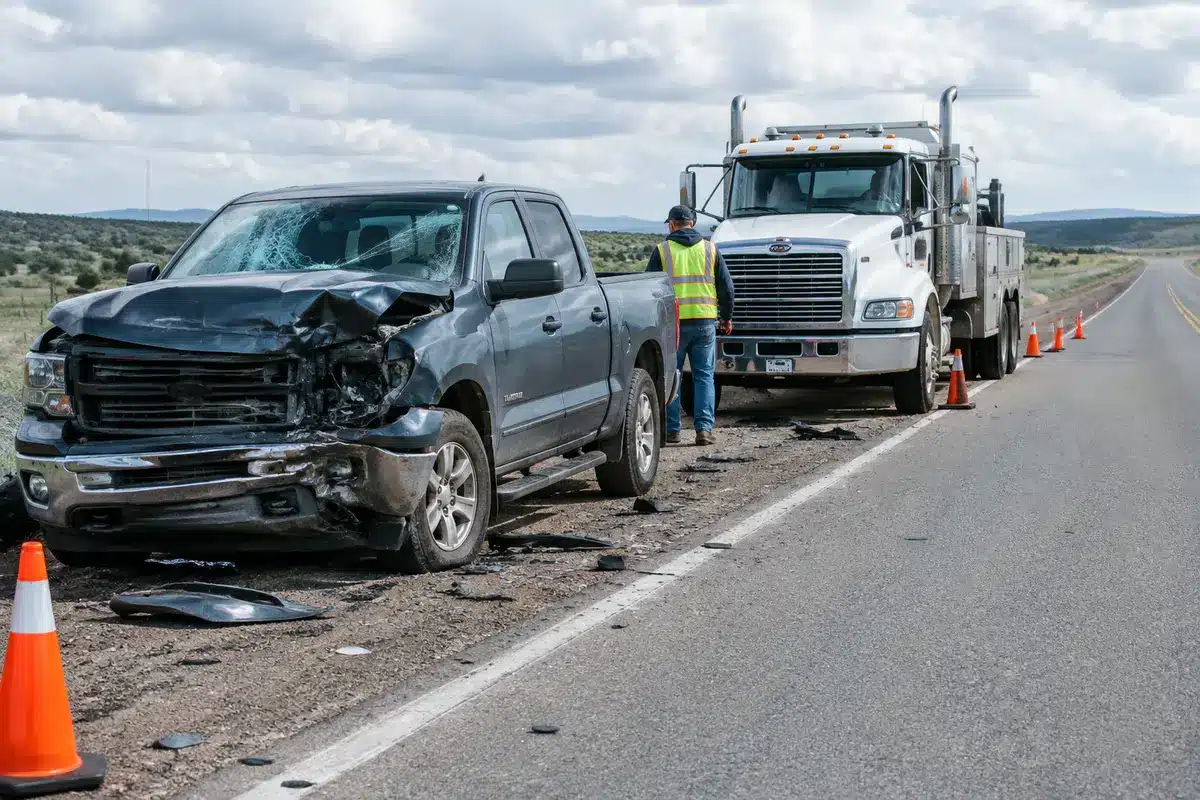
Police reported that a vehicle traveling the opposite direction struck the woman’s car in a violent impact that ignited both vehicles. Emergency crews extinguished the blaze and treated those at the scene; medical responders later confirmed the death of the fetus and transported the pregnant driver to a hospital for further care.
What investigators are focusing on
Boxing champions ditch long runs for high-intensity training: new era in fight prep
Czech nationals among victims of Pinedale-area crash: two confirmed dead
Officials are collecting witness statements, reviewing traffic-camera footage where available, and conducting standard post-crash testing. Investigators typically seek to establish whether impairment, excessive speed, distractions, or mechanical failure played a role.
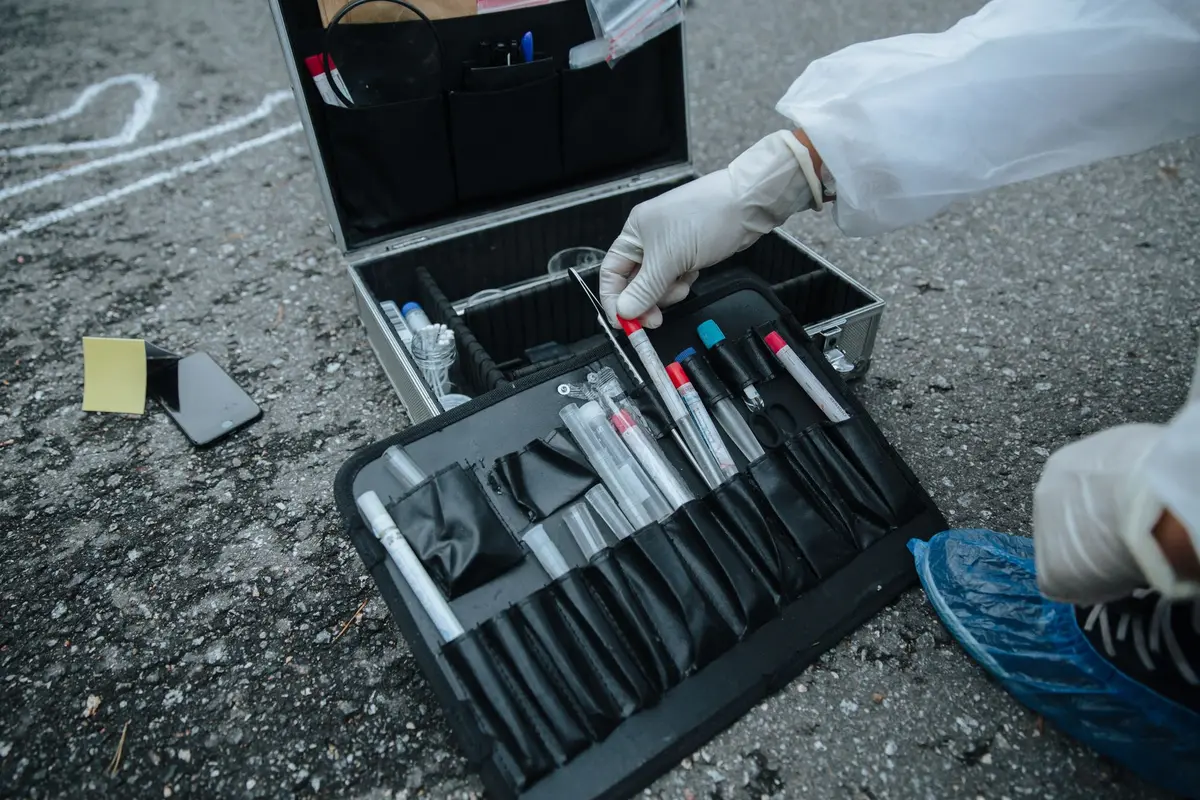
Pending toxicology and other forensic results, authorities may pursue criminal charges if evidence indicates negligence or recklessness. The exact potential charges vary by jurisdiction but can include forms of vehicular homicide or negligent driving causing death.
- Known facts so far: A wrong-way driver collided with a pregnant woman’s vehicle; the crash produced a fire; the woman survived but the fetus did not.
- Ongoing actions: Scene examination, witness interviews, vehicle inspections and forensic testing.
- Unknowns: Motive, whether impairment was involved, and whether arrests or charges have been filed.
Why this matters now
Wrong-way collisions are a small share of crashes but often result in disproportionate harm because of head-on impact forces and the potential for secondary fires. For the woman affected, the immediate consequence is both medical — treatment and recovery — and deeply personal: the sudden loss of a hoped-for child.

For communities and policymakers, cases like this underscore persistent safety challenges: road design that allows wrong-way entry, late-night impaired driving, and the limits of current countermeasures such as signage and median barriers.
Medical and legal consequences for victims
When pregnant people are involved in high-energy crashes, clinicians evaluate for conditions such as placental abruption, internal bleeding, and fetal distress. Even if a pregnant patient appears stable, monitoring and imaging are commonly used to detect injuries that may not be immediately obvious.
On the legal side, families often face a complex path: criminal investigations run alongside civil inquiries into liability. Prosecutors will weigh forensic evidence and witness accounts before deciding whether to charge the driver. If charged and convicted, penalties depend on the severity of the offense and local statutes.
Officials say they will release further findings as the investigation progresses. Meanwhile, the woman’s relatives describe the loss as the eradication of a future they had been planning for, and community members are calling for renewed attention to roadway safety measures that could prevent similar tragedies.