Show summary Hide summary
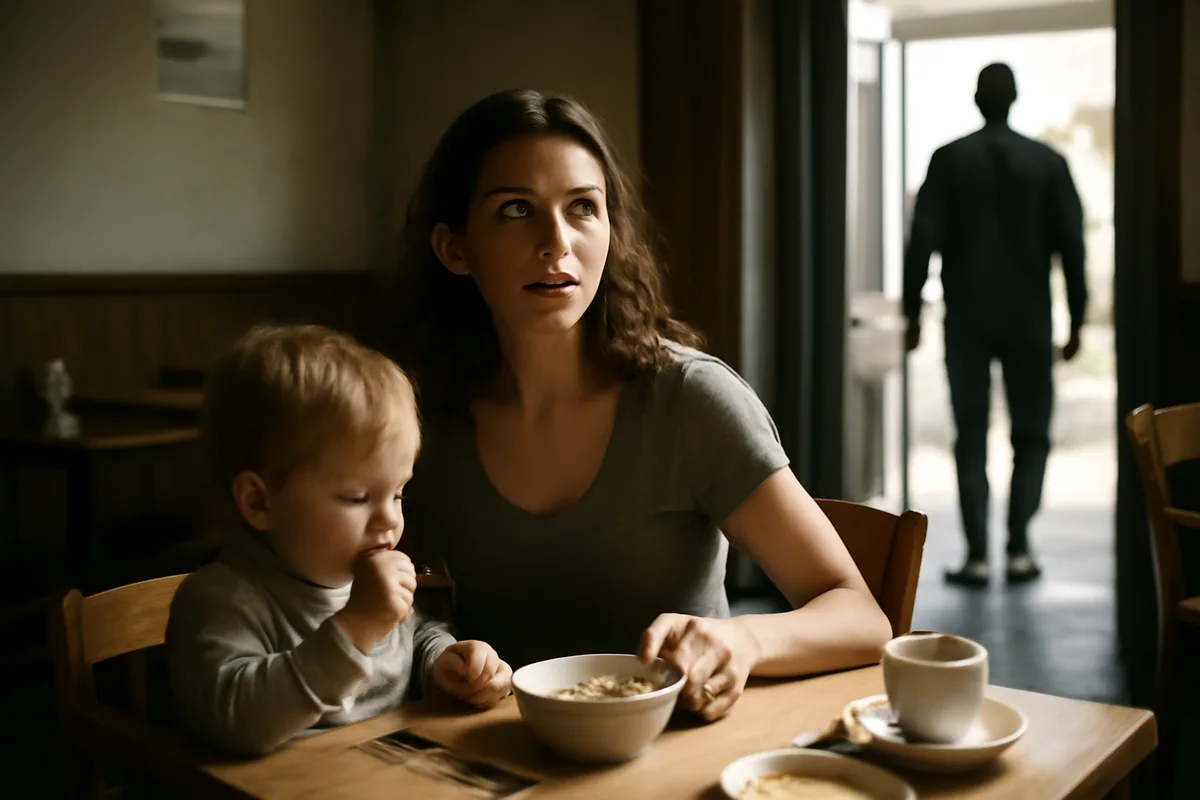
She was halfway through a sandwich and a conversation with her toddler when the cafe door opened and the room changed. A young mother in a quiet lunchtime crowd gasped as the last person she expected stepped inside—her partner, returned from deployment—and the ordinary meal turned into an unforgettable reunion.
The scene, intimate and sudden, captured a familiar rhythm of military life: long absences followed by joy-soaked reunions. These moments often land in social feeds and local news, but they also shine a light on practical and emotional realities families face when a service member comes home unexpectedly.
Joy across the table
Boxing champions ditch long runs for high-intensity training: new era in fight prep
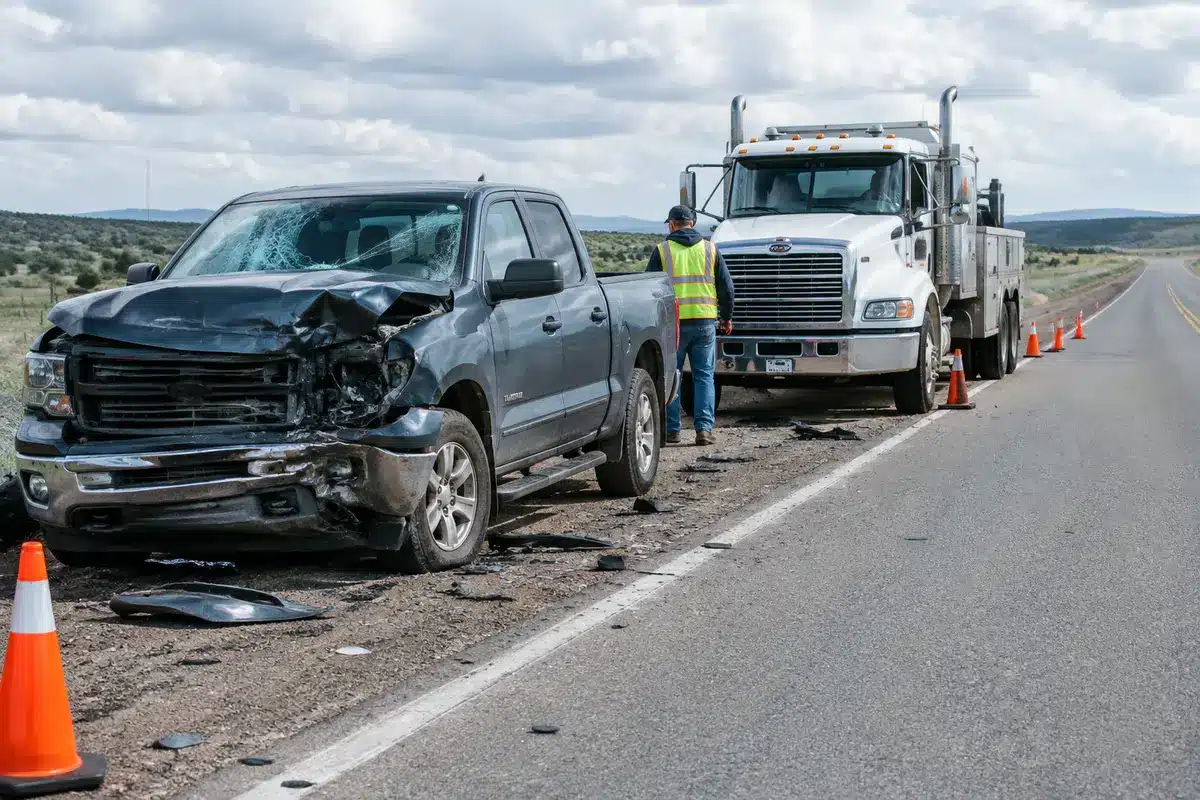
Czech nationals among victims of Pinedale-area crash: two confirmed dead
The moment was simple—a child’s squeal, stunned silence, then laughter—but it reflected weeks or months of separation. For many military families, surprise returns are planned by unit members or relatives to maximize the emotional impact while protecting operational security.
Public reunions can feel cinematic: strangers leaning forward, phones raised, strangers offering tissues. Yet behind the footage lies careful coordination—from timing the arrival to making sure the returning service member is ready for an unguarded, public reunion.
More than a viral clip
These surprises matter for reasons beyond immediate sentiment. A reunion marks the first step in a longer process of re-integration: reconnecting roles, re-learning routines, and adjusting to changed household dynamics. For partners and children, the presence of a deployed family member can reopen emotions shaped by months of absence.
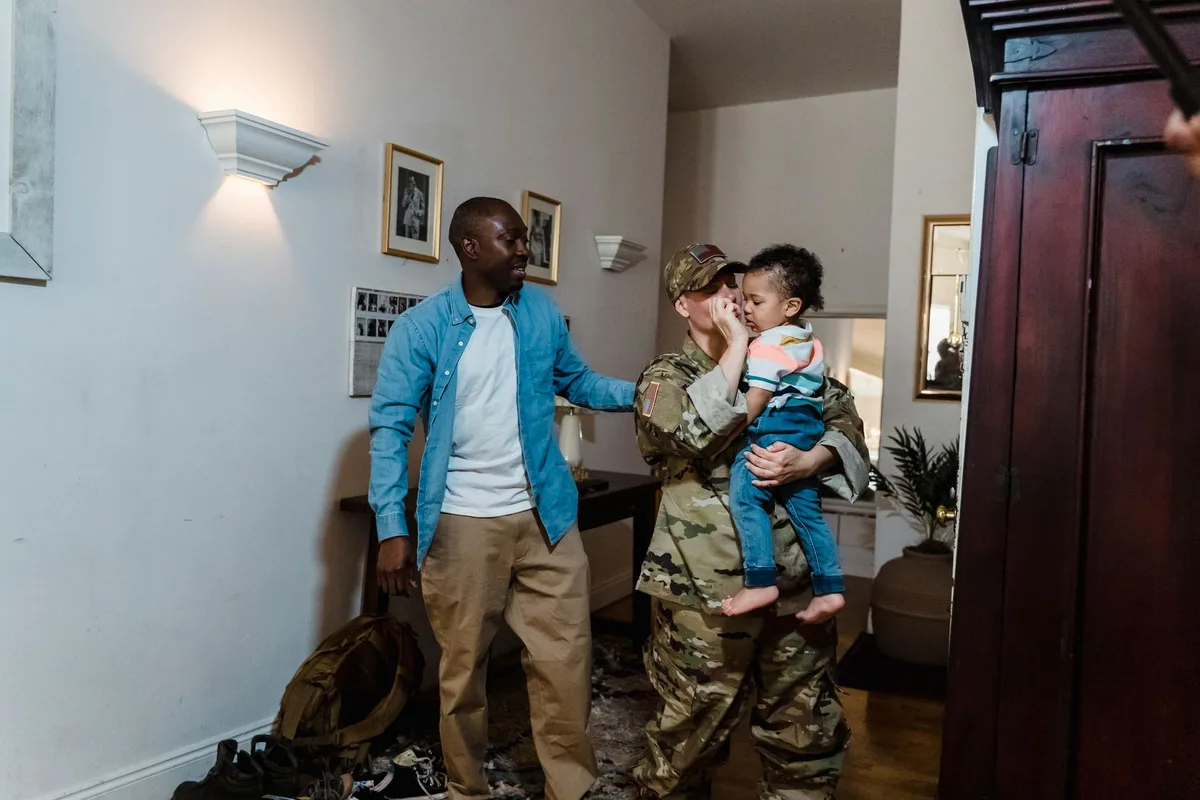
At the same time, public reunions can create pressure to portray a single, flawless moment. Not every return goes smoothly—some service members need time to readjust, and families sometimes prefer private reunions to process emotions away from cameras and cheering crowds.
Planning a surprise return: practical considerations
- Timing and readiness: Confirm deployment timelines and the returned service member’s emotional and physical state before planning a public reunion.
- Child preparation: Young children may be overwhelmed; consider whether a quieter, private meeting would be more suitable.
- Privacy concerns: Think about whether filming or sharing the moment online is desired—some families value the memory, others prefer to keep it private.
- Unit coordination: Many surprise returns are arranged with military support to ensure security and appropriate timing.
- Support systems: Have contact information for close friends, family, or counselors in case the reunion surfaces unexpected needs.
For communities that witness these reunions, the impulse to celebrate is strong; for the families involved, the aftermath can require patience and support. Small acts—meals shared over the following days, childcare help, and open conversations—often shape how smoothly life settles back into a new normal.
Why this matters now
As deployments shift and more service members rotate home, these human scenes recur across towns and cities. They offer a reminder of the sacrifices made by military families and the quiet, practical work of reuniting lives that separation interrupted.
Reunions are headline-friendly, but they also demand attention to the less visible tasks that follow: rebuilding routines, addressing mental health, and giving families the space to adjust. When the last person anyone expected walks into a midday lunch, the applause is only the beginning.