
Show summary Hide summary
President Trump traveled to California and Nevada this week in a tightly choreographed push to sharpen contrasts with Democratic leaders and rally support ahead of races that will decide control of Congress. The trip foregrounds pocketbook issues—housing, inflation and wages—at a moment when public confidence in the national economy remains weak.
Fundraising stop in Los Angeles shadowed by security scare
Trump landed in Los Angeles Tuesday for a Republican National Committee fundraiser at his family’s Rancho Palos Verdes golf club. Local authorities say they detained a man Sunday after discovering he had been observing security arrangements around the course.
Boxing champions ditch long runs for high-intensity training: new era in fight prep
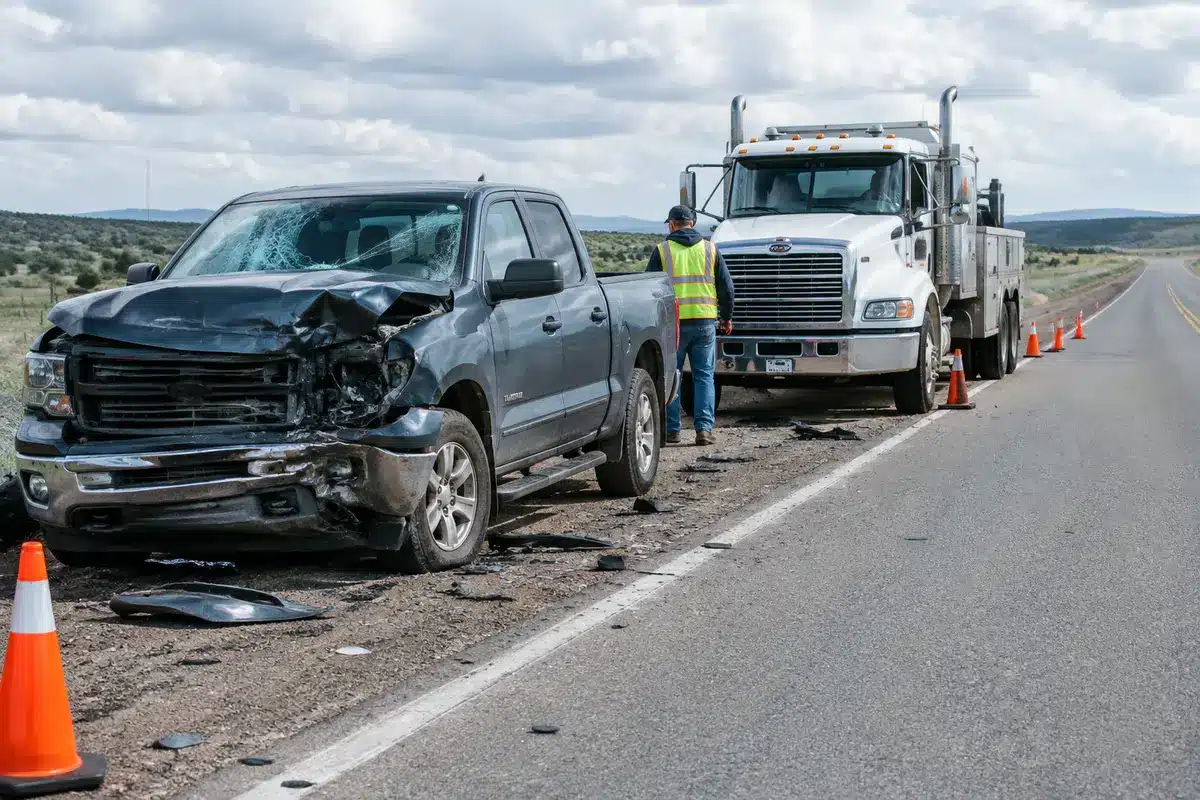
Czech nationals among victims of Pinedale-area crash: two confirmed dead
The visit comes as the president seeks to translate stock-market talking points into voter appeal, but polls suggest that message is not connecting with many Americans.
How voters view the economy
Recent AP-NORC polling from late July shows the president’s handling of the economy rated positively by just 32% of U.S. adults, while 69% describe the country’s economic situation as “poor.”
Trump’s overall job approval stands near 33%, roughly where it was at a similar point in his first term—numbers that underline why the campaign is emphasizing retail-level concerns like groceries, gas and housing costs.
What he’s saying — and whom he’s targeting
In California, the president has repeatedly targeted Gov. Gavin Newsom, framing the governor’s policies as emblematic of Democratic excess. The White House says the itinerary is meant to contrast the administration’s agenda on tax cuts, fraud reduction in benefits programs and tougher immigration and crime enforcement with state-level Democratic priorities.
Newsom’s office pushed back, criticizing the trip as a fundraising tour rather than relief coordination and reminding the president that many wildfire survivors still await promised help from last year’s response. State Democrats, meanwhile, are staging their own messaging to tie Trump to complaints about national policy and inequality.
- Los Angeles: RNC fundraising dinner; security incident at the golf club.
- Las Vegas (Red Rock Casino): Economic speech focused on jobs, housing and inflation.
- Nevada political theater: Visit overlaps with a closely watched governor’s race and debates over affordable housing and state budgets.
Nevada stop highlights housing and competitive races
On Wednesday, Trump spoke in Las Vegas, where the state’s affordability crisis is a central midterm issue. Nevada’s governor, Republican Joe Lombardo, faces a tight reelection contest against Democratic Attorney General Aaron Ford—one of several gubernatorial and congressional fights the White House views as pivotal.

The state Democratic party has been running ads linking Trump and Lombardo to rising costs, and advocates point to shortages of affordable units, surging demand on social services and pressure on state finances as immediate voter concerns.
The administration has promoted its record on income tax cuts and regulatory rollback as a counterpoint. Critics argue those policies haven’t eased the everyday expenses voters cite, noting higher pump prices in some regions and lingering price pressures tied to trade and supply-chain shifts.
Political theater and real-world consequences
Trump’s appearances mix policy pitches with familiar campaign attacks—personal barbs at Newsom and reminders of federal responses to California disasters after last year’s wildfires. The initial January 2025 encounter between the two men began cordially but has since devolved into routine public sparring, including debate over federal deployments to Los Angeles and who bears responsibility for on-the-ground recovery.
For voters in both states, the stakes are concrete: access to affordable housing, the cost of essentials and whether federal or state leaders can deliver relief and stability. For Republicans nationally, the trip is also a fundraising and messaging effort aimed at preserving narrow majorities in Congress.
Reporting for this article included contributions from national and regional correspondents covering the White House, Los Angeles and Las Vegas.