

Show summary Hide summary
A growing number of pregnant people are deciding to deliver without medical professionals present — a choice that has gained visibility through viral social posts and renewed debate about maternal safety. Public-health data showing a rise in delayed or absent prenatal care helps explain why this movement is drawing attention now, and why clinicians are warning about real risks.
One home birth that went viral
In mid-August, a Nebraska woman gave birth at home on a stack of blankets with only her husband at her side. The couple shared the experience on social media, where clips of the pregnancy and delivery have been viewed millions of times.
Boxing champions ditch long runs for high-intensity training: new era in fight prep
Czech nationals among victims of Pinedale-area crash: two confirmed dead
The post prompted praise from some viewers who admired the couple’s confidence, and alarm from medical professionals and nurses who said the footage masked possible dangers. Many of the online comments reflected that divide: admiration for bodily autonomy on one hand, and concern about the limits of lay knowledge when complications arise on the other.
Numbers behind the trend
Health agencies say the pattern is not limited to viral moments. Recent Centers for Disease Control and Prevention figures show more mothers are starting prenatal care later than recommended or not at all: roughly one in four did not begin care in the first trimester in 2024, an increase compared with 2021. In some states, more than 1 in 10 pregnant people report late or no prenatal care.
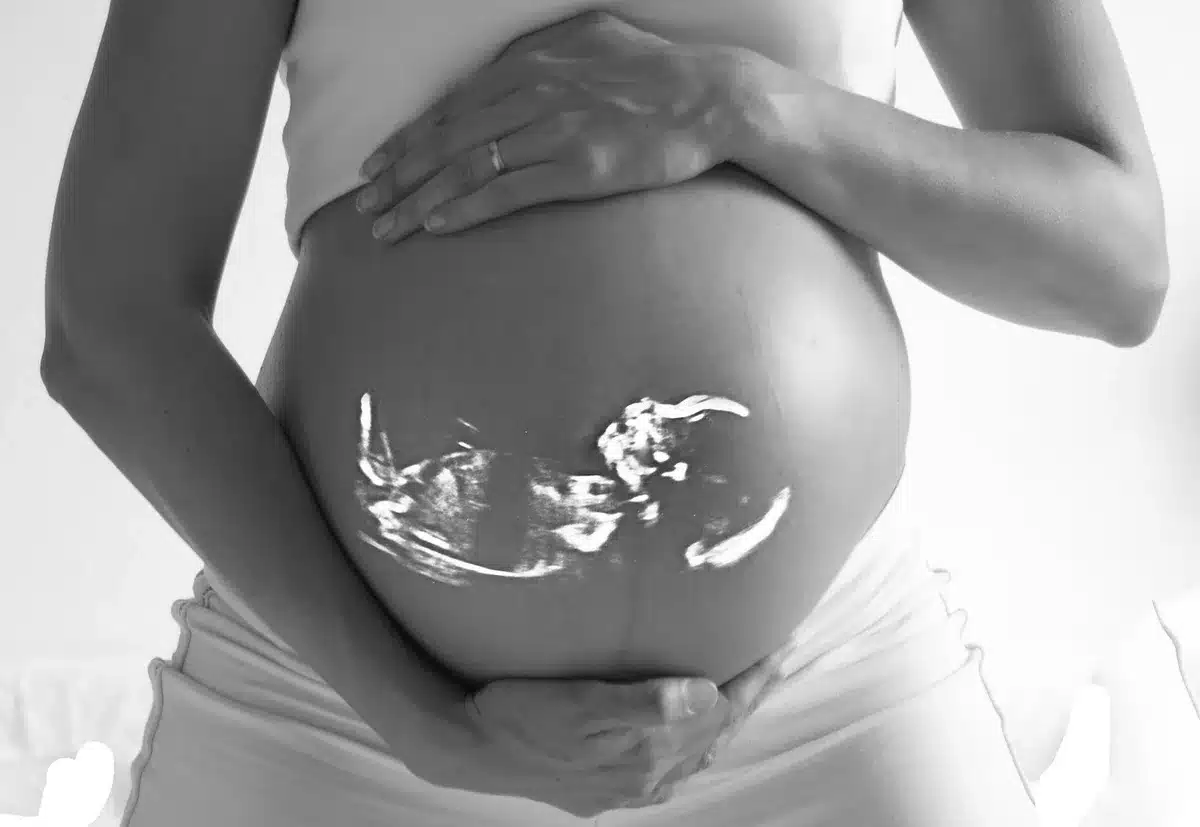
Experts point to a mix of causes: frustration with perceived overmedicalization, past negative experiences with providers, limited local services and the influence of online communities promoting nonmedical approaches.
What clinicians say are the stakes
Physicians warn that foregoing medical oversight can mean missing early detection of conditions that need immediate attention after birth. A neonatologist interviewed for this article emphasized how standard hospital care includes checks and screenings that can reveal lifesaving issues—tests often administered within days of delivery.
Without a trained attendant, problems such as heavy bleeding, infection, uterine rupture or newborn distress may go unnoticed until they become emergencies. The American Academy of Pediatrics does not endorse planned home births without appropriate professional support.
- Missed prenatal diagnoses: Some congenital conditions require monitoring or intervention immediately after birth.
- Delivery complications: Hemorrhage, prolonged labor and infection are more dangerous without skilled help.
- Newborn screening delays: Early tests can detect cardiac and metabolic disorders that respond best to prompt care.
- Higher preterm risks: Fewer prenatal visits have been linked to increased rates of preterm birth and fetal complications.
Why some women opt out of conventional care
For many, the decision grows out of negative encounters with the health system. A national survey found that nearly one in four women reported disrespectful treatment by health staff in recent years. Other research highlights gaps in access: millions of women and hundreds of thousands of infants live in counties without full maternity services.
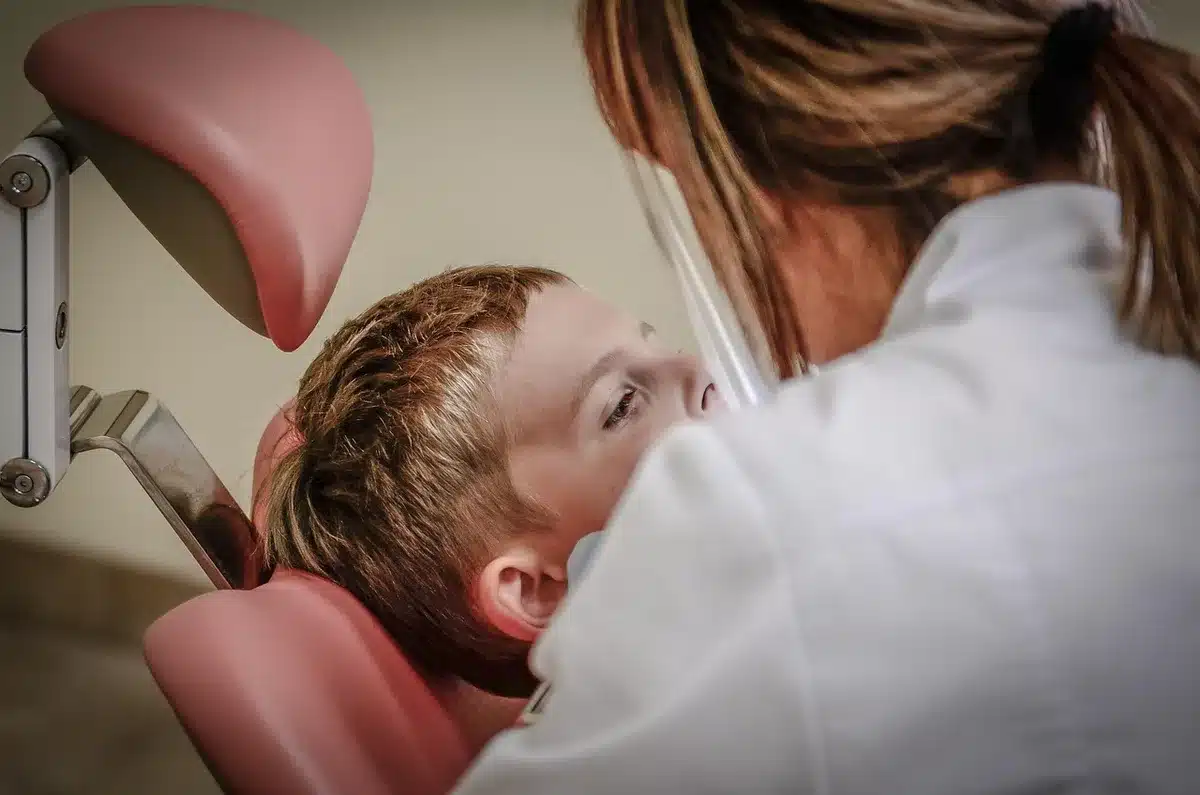
Some patients say they have felt rushed, ignored, or pressured into interventions. That experience, combined with exposure to alternative therapies and online communities that valorize unassisted birth, helps explain why some are willing to take medical risks for autonomy and control.
Voices from the clinic — and the internet
Obstetricians acknowledge valid grievances about how care is sometimes delivered, especially when patients feel excluded from decision-making. But they also call for better communication rather than abandonment of monitoring and emergency access.
Nurses and neonatal specialists who see compromised cases warn that social media can create a misleading sense of safety: visible success stories are easy to share, while the rare but serious complications that require intensive intervention rarely appear on feeds.
Even some women who chose home or unattended births advise caution. After her second home delivery, one mother posted that she believes women are capable by design but cautioned others not to attempt an unassisted birth without careful preparation and contingency plans.
Practical steps clinicians recommend
Medical providers stress several pragmatic points for anyone considering an alternative birth path:
- Understand personal health risks — prior surgeries, chronic conditions and pregnancy history matter.
- Know local resources — identify the nearest hospital with maternity services and how long transfer would take.
- Discuss options early — shared decision-making with a provider can reduce unnecessary interventions while keeping safety measures in place.
- Plan for newborn screening and early pediatric assessment even if delivery happens at home.
Prenatal care is not only about tests and scans; clinicians say it is a chance to build a plan that respects preferences while preparing for unpredictable events. Where women feel unheard, improving communication and respect in clinical encounters is essential to narrowing the gulf between autonomy and safety.
The recent rise in late or absent prenatal care makes the debate urgent: how to honor informed choice and reduce overmedicalization without increasing preventable maternal and infant harm. Doctors and patient advocates both say the solution lies in better access, clearer information and more compassionate care — not in trading one set of risks for another.