Show summary Hide summary
The Associated Press has republished a 1970 magazine profile of Gloria Steinem that captures the tensions of her early public life — a reporter and activist who moved easily between society events and neighborhood organizing. That portrait helps explain why Steinem’s image then still shapes conversations about feminism and media today.
Early fame, complicated reality
At age 34, before she had founded Ms. Magazine, Steinem was already a visible figure: frequent on television panels, written about in national publications and invited to high-profile gatherings. Yet the AP profile by Lynn Sherr — edited for minor errors but left essentially as it ran — emphasizes how her social presence coexisted with committed political work in neighborhoods and on causes often ignored by mainstream reporters.
Boxing champions ditch long runs for high-intensity training: new era in fight prep
Czech nationals among victims of Pinedale-area crash: two confirmed dead
One scene that the profile revisits is an end-of-year house gathering that confounded expectations. Rather than a room full of celebrities, the hostess’s guests included activists, migrant workers and local organizers — a reminder that headline glamour did not always match what she called her day-to-day life.
Career moments that mattered
Steinem’s reporting and public interventions began to define her as much as her wardrobe or TV appearances. Her early investigative piece exposing conditions for Playboy Bunnies propelled her into wider notice and opened doors to politics, long-form features and fundraising for labor causes. At the same time she was involved in high-profile campaigns and worked in the field for figures from Eugene McCarthy to Robert Kennedy and later George McGovern.
- Investigative journalism: A magazine exposé about Playboy club workers boosted her visibility and credibility as a reporter.
- Grassroots organizing: She helped raise funds for grape-pickers and supported community programs on the Lower East Side.
- Political engagement: Volunteering and campaigning connected her to major 1960s political figures and movements.
- Public persona: Frequent television appearances and society invitations made her a recognized name beyond activist circles.
The profile balances these threads: Steinem’s social calendar — from literary salons to fundraising dinners — appears alongside notes about day-care meetings, hospital visits for veterans and protests. It portrays a person who navigated both worlds without entirely belonging to either.
Image, upbringing and working life
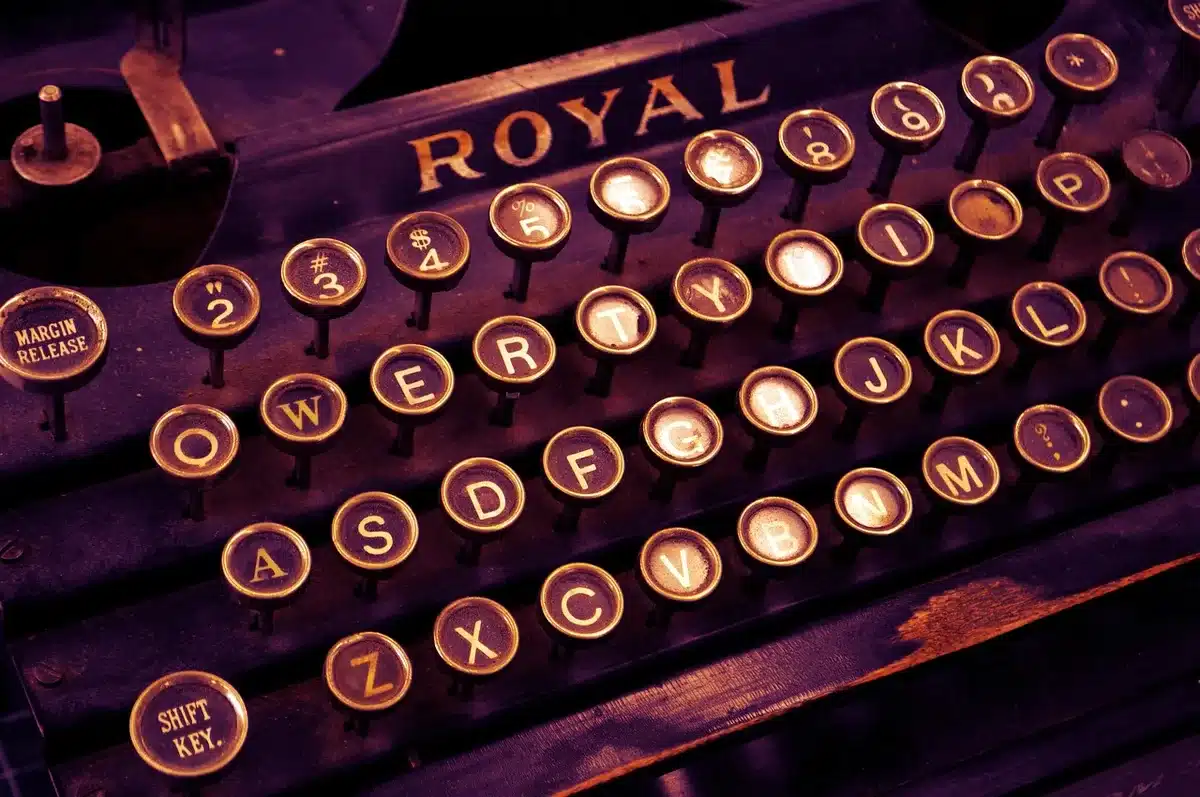
The piece stresses contrasts that often get lost in shorthand profiles. Steinem, the story explains, did not come from privilege; she grew up moving among modest homes, earned a scholarship to Smith College, spent time on a fellowship in India and started in New York on small editorial jobs. Her apartment doubled as an office: a compact space where political posters and typewriter met everyday domestic details.

She resisted reductive labels. When journalists zeroed in on her appearance or social calendar, she pushed back by pointing to steady professional work and long hours at the typewriter. The profile documents those choices while also noting how gossip columns and magazine spreads repeatedly reframed her.
Why this profile still matters
Reading the 1970 piece today underscores two ongoing dynamics: how the press builds a public image and how women in public life have had to manage both advocacy and personal scrutiny. For contemporary readers and researchers, the profile is a snapshot of the moment when the emerging women’s movement intersected with celebrity culture and mainstream journalism.
Archive releases like this one give context to modern debates about media framing, gender and political life. They show early instances of a public figure balancing activism, reporting and the curious spotlight of popular culture — roles that would influence Steinem’s later work and the trajectory of feminist organizing.
For readers interested in primary historical reporting, the AP notes that this restored version retains the original editorial voice and style, while correcting typographical errors for clarity.