Show summary Hide summary
Amid growing public interest in weight-loss drugs and diet trends, an obesity-medicine physician has opened up about the everyday meals that work for her — and why practicality beats perfection. Her routine offers a glimpse of how clinicians translate evidence and personal experience into sustainable eating habits patients can actually follow.
Dr. Susan Wolver leads the Virginia Commonwealth University Health Weight Loss Program and has directed the clinic for more than a decade, beginning long before the recent surge in GLP-1 medications. Her central message is simple: the most effective eating pattern is the one a person can maintain without constant struggle.
Why flexibility matters
Boxing champions ditch long runs for high-intensity training: new era in fight prep
Czech nationals among victims of Pinedale-area crash: two confirmed dead
Wolver stresses that rigid regimens often fail because they feel punitive. Instead of prescribing a single “best diet,” she tailors recommendations to people’s tastes, cultural backgrounds and any food sensitivities. She personally favors a lower-carbohydrate approach, having discovered that sugary foods adversely affected her own energy and cravings.
She also rejects the idea that dietary fat is inherently harmful. Wolver points out that the low‑fat recommendations of past decades were frequently replaced with processed, sugar-laden alternatives — a shift she says coincided with rising rates of obesity and diabetes.
A typical day on her plate
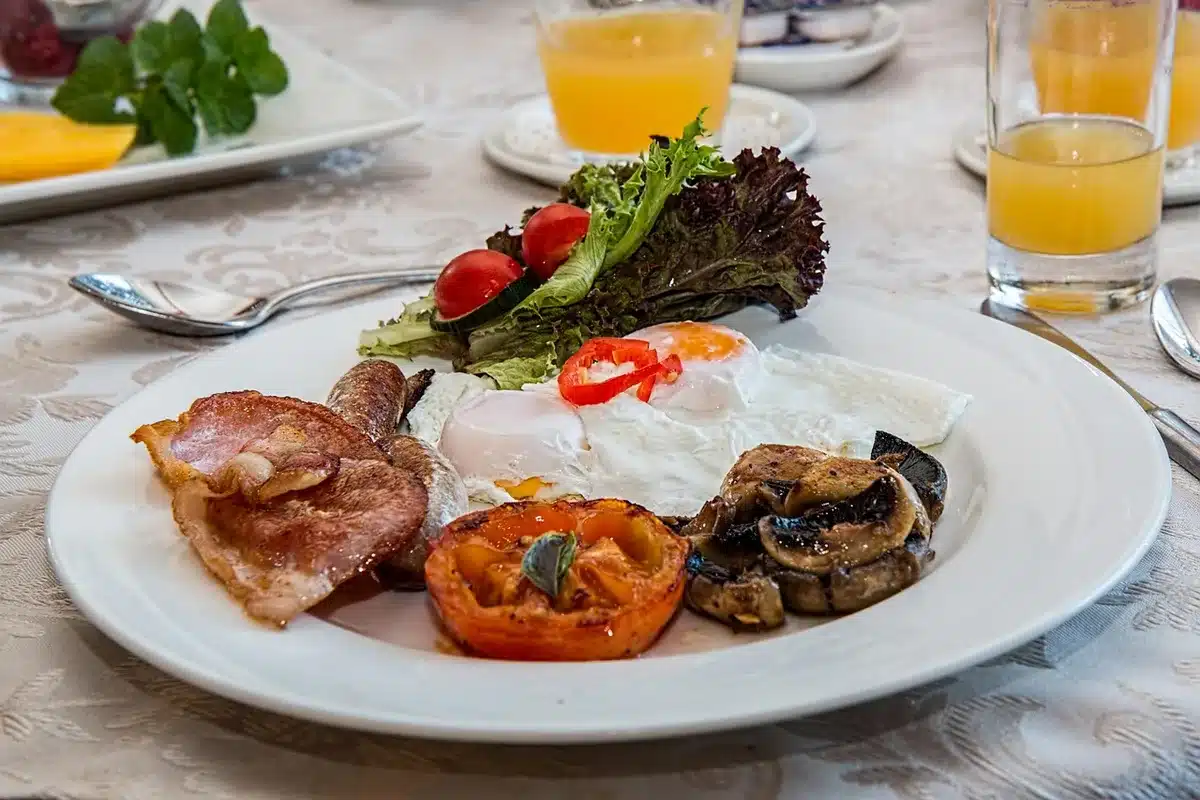
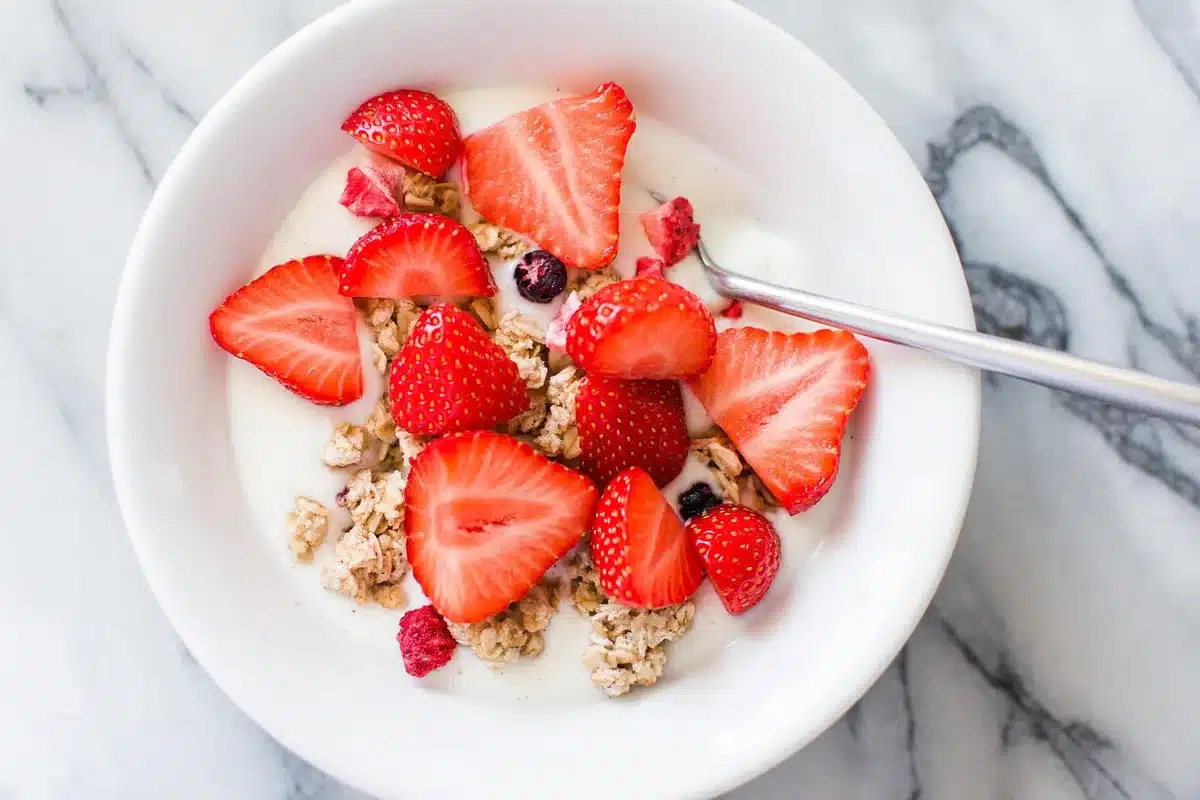
- Breakfast: Plain, full‑fat Greek yogurt often boosted with a scoop of protein powder (flavored or unflavored), plus chia seeds, ground flax and walnuts. On days she wants something different: egg bites from the store or eggs cooked at home with jalapeño, salsa or sliced avocado. Coffee is taken with heavy cream; she gradually eliminated artificial sweeteners over several years as her taste preferences changed.
- Lunch: When at the hospital she chooses the salad bar — plenty of leafy greens and extra vegetables such as Brussels sprouts or cauliflower — and adds a protein portion like chicken salad or tuna. She usually skips commercial dressings. At home, leftovers are the go‑to.
- Dinner: Meals shared with her husband center on a protein and lots of vegetables. Favorites include asparagus, broccoli, cauliflower, artichokes and Brussels sprouts; occasionally a starchy side such as sweet potato. She prefers homemade condiments (like coleslaw without added sugar and homemade mayonnaise) to minimize processing.
- Snacks: Nuts, cheese or a second serving of yogurt if needed to meet protein goals.
- Dessert: Cottage cheese sweetened with a drizzle of honey or mixed with chocolate protein powder — a high‑protein option that satisfies a sweet craving. Dark chocolate is an occasional treat, and she avoids keeping tempting sugary items at home to limit constant temptation.
Practical rules she recommends
Wolver encourages people to treat packaged foods skeptically: read ingredient lists and nutrition labels before assuming something is healthy. If an item comes in a box or a bag, it often contains added sugars or extra processing.

She also recommends tracking how foods affect your energy, hunger and mood. Small, consistent changes that respect personal preferences are more likely to stick than dramatic, short‑term overhauls.
When to see a specialist
If dietary changes aren’t producing expected improvements in weight or related conditions — such as type 2 diabetes, high blood pressure, cholesterol issues or chronic pain — an obesity‑medicine clinician can help. Wolver emphasizes that obesity is not simply a failure of willpower but a complex biological condition that benefits from clinical assessment and a personalized plan.
How personal experience shaped her path
After decades in primary care, Wolver experienced her own midlife weight gain and realized the conventional advice she had been giving didn’t work for her. Finding an approach that helped her reverse those trends — including getting some patients off insulin — shifted her focus toward obesity medicine full time.
Her approach is pragmatic: aim for sustainable habits, favor whole foods over ultra‑processed products, and adjust strategies around individual lives and cultures. For many patients in 2026, that real-world perspective matters as much as any new medication.