Show summary Hide summary
Researchers in Wyoming have begun vaccinating wild bats as a frontline defense against a fungal disease that has devastated populations across North America. The field work this season — part of a newly authorized rollout of an oral vaccine — highlights both the urgency of the crisis and the logistical hurdles of protecting a tiny, nocturnal species that plays an outsized role in local ecosystems.
Experts warn that the stakes extend beyond wildlife conservation: declines in insect-eating bat species carry measurable consequences for agriculture, public health and chemical use across landscapes.
Why little brown bats matter now
The little brown bat is one of Wyoming’s most common year-round bat species and a key predator of night-flying insects. University of Wyoming zoologist Dr. Riley Bernard says an individual bat can consume roughly half its body weight in insects each night — a level of predation that helps control agricultural pests and disease-carrying insects.
Boxing champions ditch long runs for high-intensity training: new era in fight prep
Czech nationals among victims of Pinedale-area crash: two confirmed dead
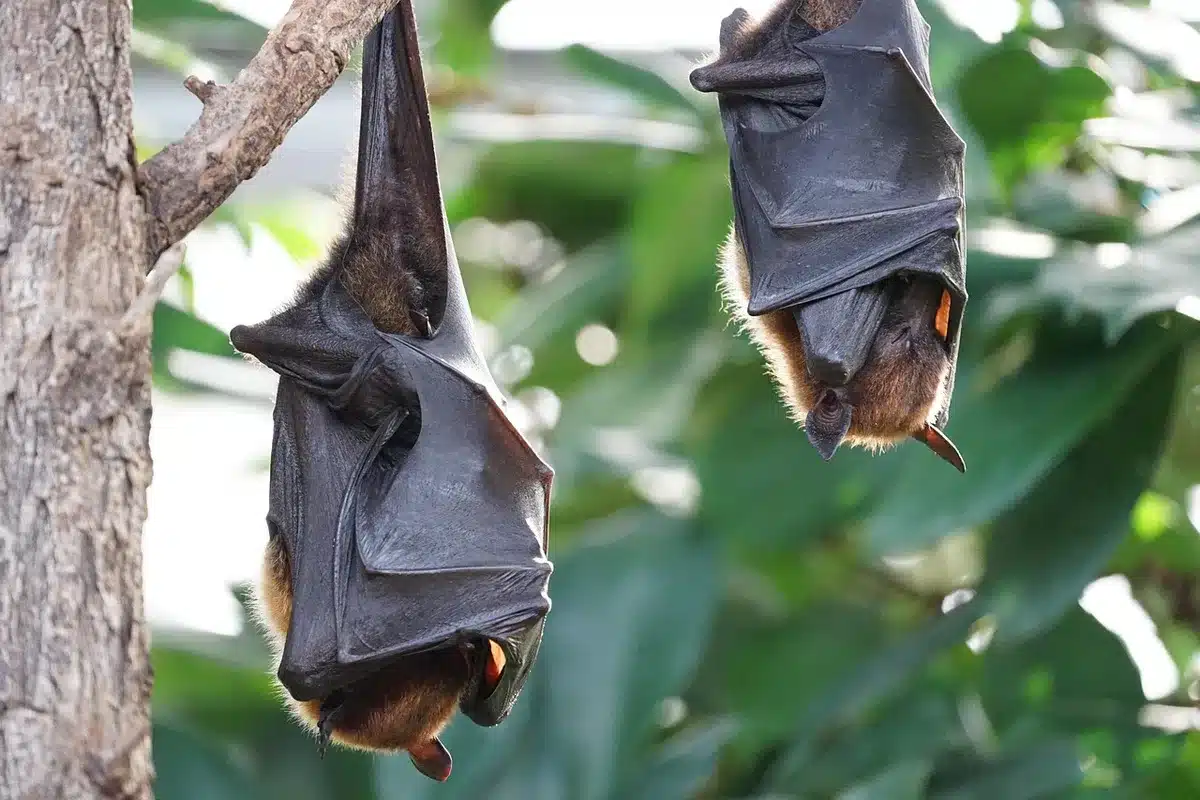
Maternity roosts, where hundreds or even thousands of reproductive females cluster to keep pups warm and conserve energy, are a defining feature of the species’ life cycle. Males and non-reproductive females are generally more solitary, while juveniles join adults in nightly foraging as they mature.
The twin threats: climate stress and a deadly fungus
Two broad pressures put these populations at risk. Drought reduces available water for nursing females and suppresses insect prey abundance, undermining survival and pup-rearing. But researchers say a still greater danger is white-nose syndrome, a fungal illness first observed in New York about two decades ago.
The pathogen produces a pale, powdery growth on exposed skin — notably around the nose and ears — and invades tissues. Infected bats wake more often during hibernation, burning through stored fat and often starving before spring. The result has been catastrophic: millions of bats dead across affected regions.
“You start seeing animals on cave floors, just emaciated or dead,” Bernard said, describing the scale of losses. “We’ve watched entire colonies collapse.”
From lab trials to the field: implementing an oral vaccine
After promising laboratory results, federal and state wildlife agencies have cleared field use of an oral vaccine designed to protect bats from the fungus. Administering it to free-ranging, delicate mammals requires careful, hands-on work.

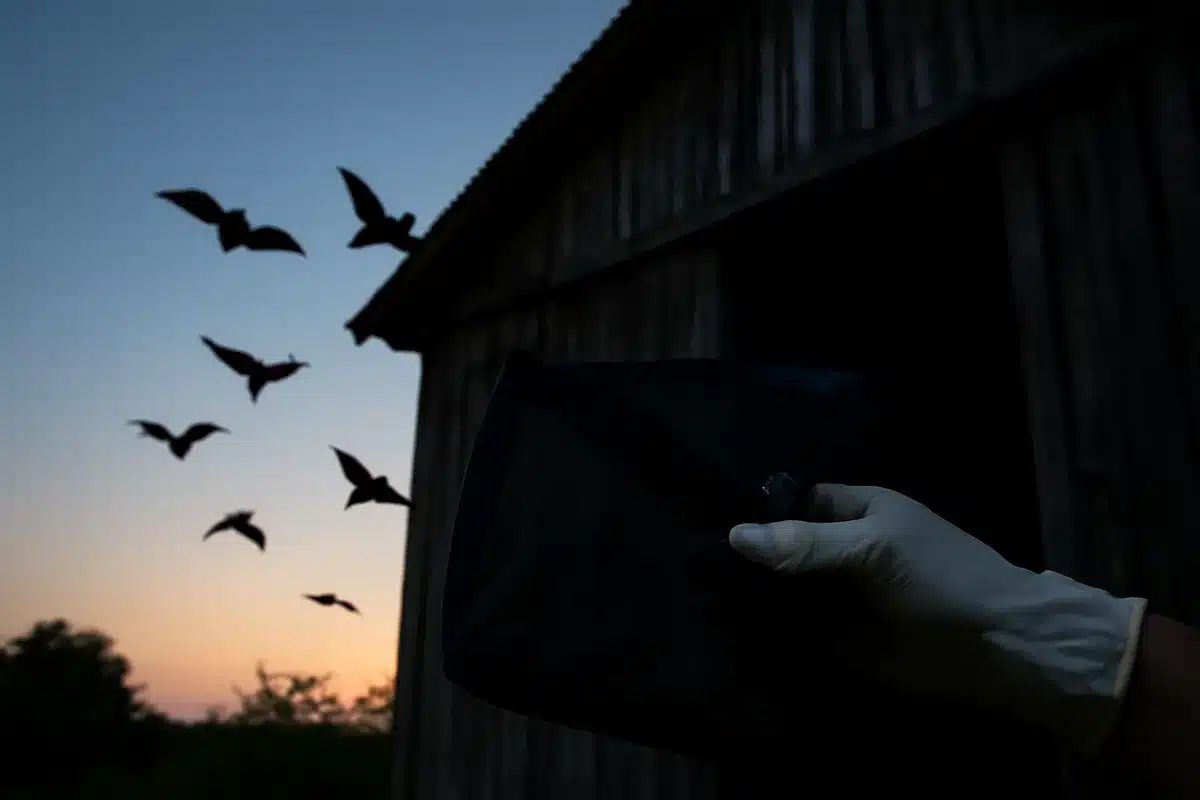
In August, a team from the University of Wyoming — led by Bernard and joined by graduate students, federal and state agency staff and volunteers — set up at a research site in the Tetons where female little brown bats roost in an old boat barn. The project uses two monitored sites: one receives inoculations, the other serves as a control for comparison.
To capture bats without harm, crews place lightweight monofilament lines at roost exits that guide bats into holding bags. Trappers then handle each bat briefly to administer the oral dose and release it back into the night.
Out of 364 bats captured during the recent effort, nearly 300 received the vaccine — about 70% of the captured group. Bernard called that coverage “very encouraging,” though she noted that the vaccine is unlikely to provide classic herd immunity and will need longitudinal monitoring to judge population-level impacts.
- Primary threats: drought-driven food and water shortages; the white-nose syndrome fungal pathogen.
- Intervention: an oral vaccine now allowed for field use after lab trials; on-the-ground inoculation is labor-intensive.
- Operational limits: trapping is delicate work, funding is limited, and multi-year monitoring is required to assess effectiveness.
Funding, monitoring and the road ahead
The vaccination campaign has been funded through modest local grants, and organizers hope to secure additional support to continue targeted inoculation and monitoring for at least three years. That timeframe, researchers say, should reveal whether the vaccine reduces mortality and helps colonies recover, and whether other measures will be needed.
Even with successful short-term interventions, long-term recovery is uncertain. White-nose syndrome has already pushed some bat species toward formal conservation review, and persistent environmental stressors such as habitat loss and climate variability complicate recovery plans.
There are broader consequences if bat numbers do not rebound. Researchers point to studies linking bat declines with increased pesticide use — as growers compensate for lost natural pest control — and to downstream public-health and economic costs. One analysis in southeastern states observed a rise in pesticide application concurrent with bat losses and documented related human health impacts.
Bernard emphasizes that human-bat encounters remain rare and that many fears about bats are rooted in misunderstanding. “These animals are performing valuable ecosystem services at night, and losing them would have ripple effects we’d notice in crops and our exposure to pests,” she said.
The current field vaccination effort is a test of whether targeted, hands-on conservation can slow or stop a modern wildlife crisis. Results over the next few seasons will determine if the approach can be scaled up or if additional tools will be necessary to protect North America’s bats.