Show summary Hide summary
The tenth running of the Indian Relay “Championship of Champions” arrives in Cheyenne Sept. 25–27, marking the first time the season-ending title race will be staged at Frontier Park Arena. The move brings roughly 100 relay teams from about 15 tribal nations to one of the West’s most recognized rodeo grounds—and puts a spotlight on a fast, perilous sport rooted in Native American horsemanship.
What the championship is and why it matters now
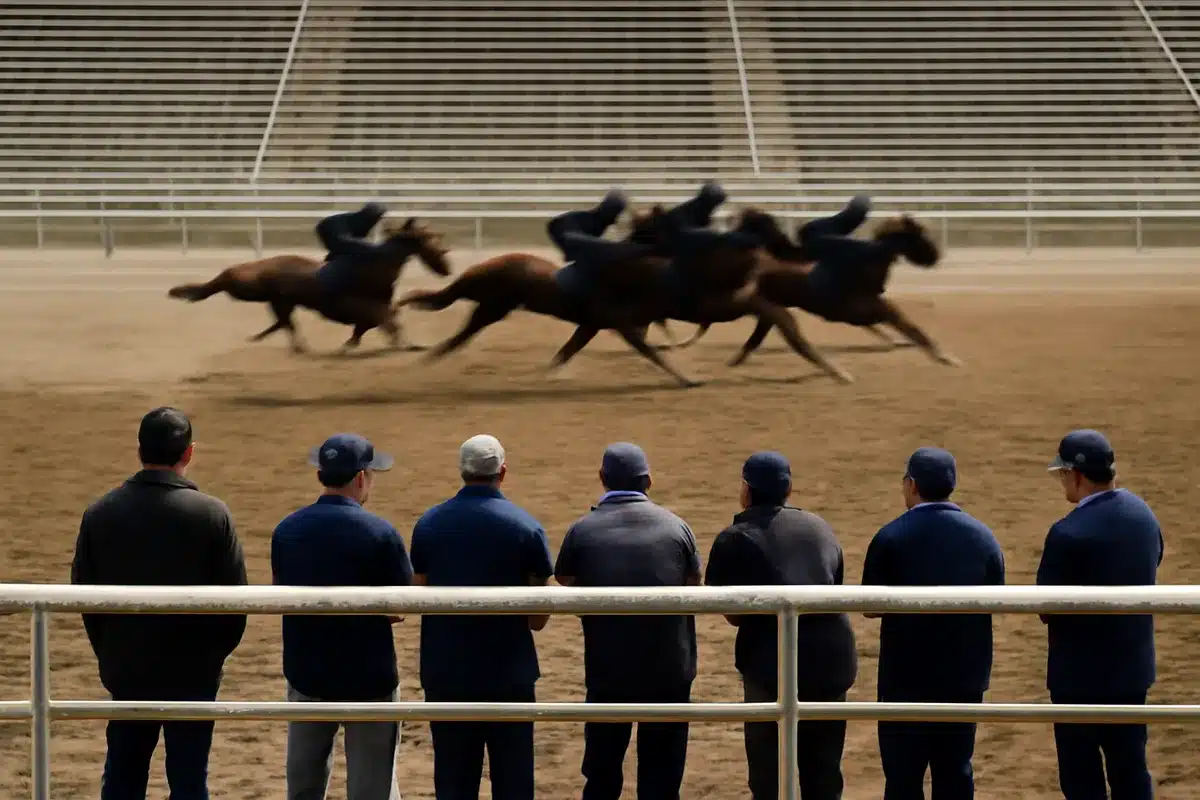
Indian Relay is not a typical track relay. Teams race multiple laps while riders vault from horse to horse at full gallop, handing control to teammates who steady the exhausted mounts. Success requires split-second timing, athleticism and deep familiarity between rider and horse—qualities that have helped the sport grow in regional popularity and national visibility.
Boxing champions ditch long runs for high-intensity training: new era in fight prep
Czech nationals among victims of Pinedale-area crash: two confirmed dead
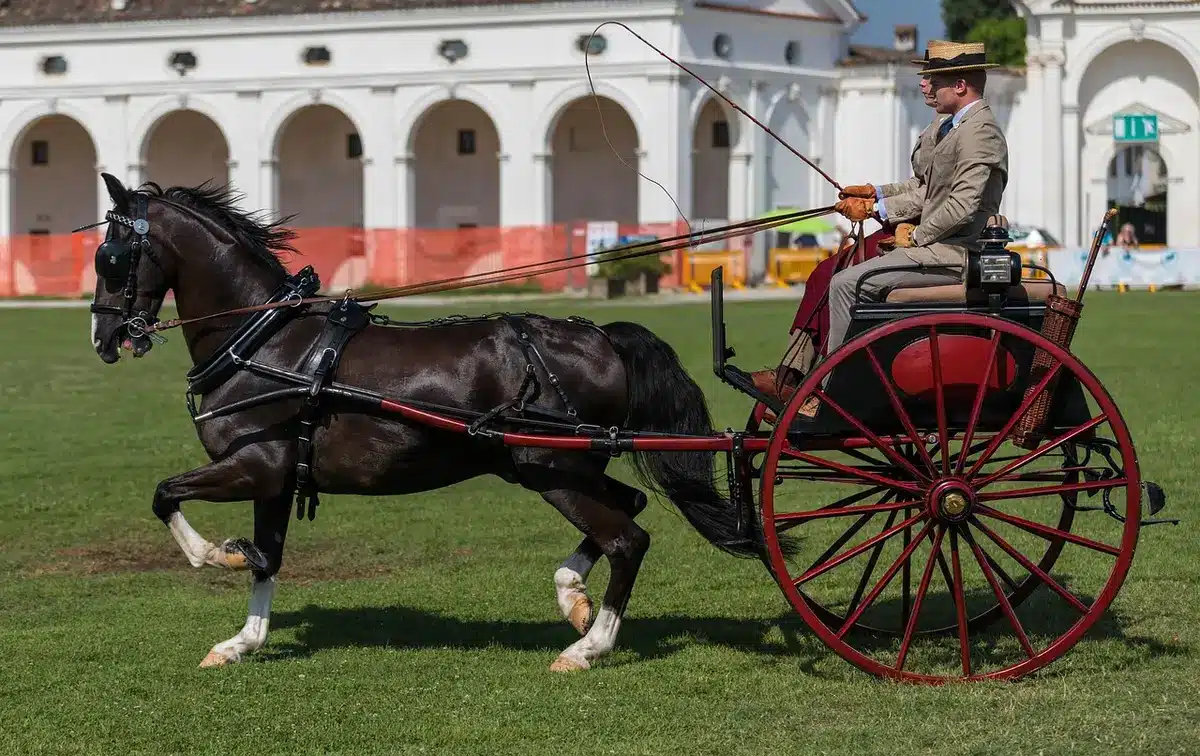
This year’s championship matters because it consolidates that attention in Cheyenne, a city already associated with Western equestrian traditions. Organizers say the setting amplifies the cultural significance of the event and offers a larger stage for the athletes and communities who sustain the sport.
Event at a glance
| Event | Championship of Champions (Indian Relay) |
|---|---|
| Dates | Sept. 25–27 |
| Location | Frontier Park Arena, Cheyenne, Wyoming |
| Participants | About 100 teams representing roughly 15 tribal nations |
| Format | Multi-lap relay races with in-motion rider exchanges and elimination heats |
What spectators should expect
- High-speed racing with riders jumping between horses at full speed and crews managing exhausted mounts.
- Close finishes and frequent, dramatic on-track incidents—failed transfers can send riders tumbling in the dirt.
- A display of intergenerational skills: many riders grew up assisting families at races before taking the reins themselves.
- Visibility for tribal traditions and growing national interest in a sport that blends athletic risk with cultural heritage.
Though Frontier Days has previously hosted regular-season relay races, this marks the championship’s debut in Cheyenne. The event spent five years in Casper before moving through Montana and South Dakota in earlier editions. For organizers, placing the title race in Wyoming connects the competition’s Native American roots with the state’s broad horse-and-rodeo identity, creating a symbolic and practical match.
Sport, culture and the broader stakes
Indian Relay functions both as a competitive sport and a cultural practice. Riders and families emphasize the relationship between person and horse: preparation and trust are as essential as speed. Bringing the championship to a major outdoor arena increases media exposure, invites new audiences, and raises questions about how the sport will grow while preserving its traditions and ensuring safety for competitors.
For tribal communities, the event is also a platform—an opportunity to showcase athleticism, craftsmanship and heritage to a wider public. For the wider Western sports community, it underscores the continuing evolution of equestrian events and the ways regional traditions attract national curiosity.
Journalists and observers will be watching how the Cheyenne setting shapes attendance, coverage and the championship’s relationship with the broader rodeo circuit in the months and years ahead.