Show summary Hide summary
A juror who held out during the trial of defendant Clancy has retained legal counsel after facing angry reactions from members of the public, telling others that those criticizing the jury’s outcome were “evil people.” The move highlights growing concerns about juror safety and the spillover effects of high-profile courtroom disputes into the public sphere.
The juror’s decision to hire an attorney came after sustained criticism on social platforms and in private messages, according to the juror’s brief public remarks. By bringing a lawyer into the picture, the juror is signaling an intent to seek formal protections and to push back against what they describe as harassment.
At stake is more than one individual’s privacy: the episode underscores how contentious trials can produce collateral harm to jurors and raise questions about the long-term health of the jury system.
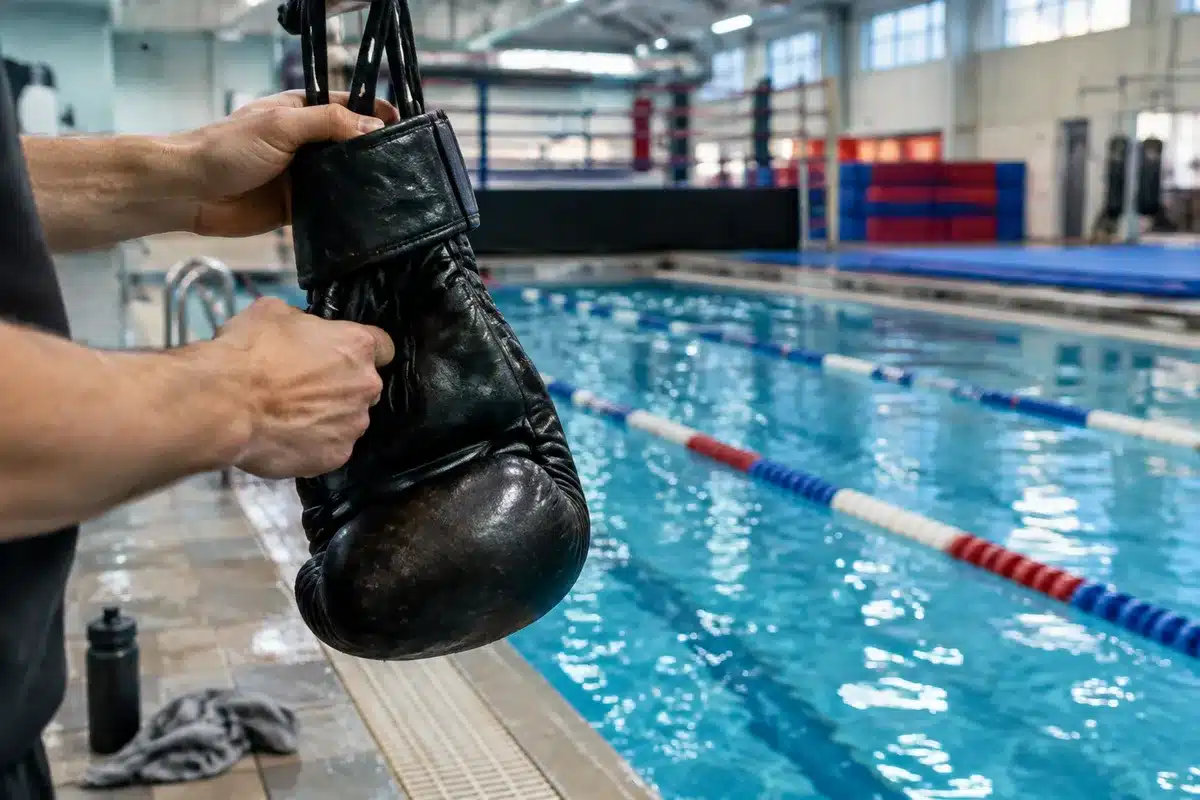
Boxing champions ditch long runs for high-intensity training: new era in fight prep
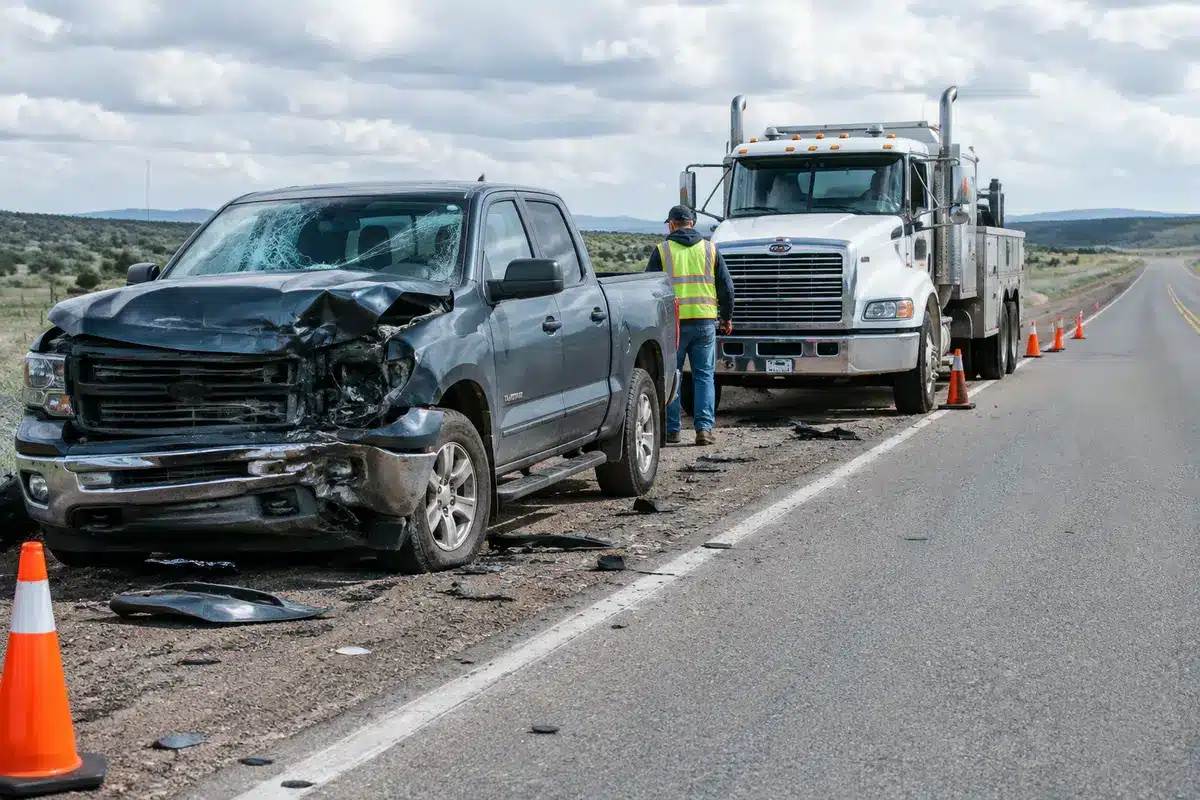
Czech nationals among victims of Pinedale-area crash: two confirmed dead
Why this matters now
High-profile cases already draw intense scrutiny; when jurors become targets of anger or threats, courts can face pressure to shield participants, preserve impartiality and prevent intimidation. For readers, the immediate consequences include potential delays in legal proceedings, increased costs for court security and a chilling effect that could deter citizens from serving on future juries.

Legal observers note that responses available to the juror — and to courts — include a range of civil and criminal options. Which path the juror and their attorney pursue will shape whether the episode ends quietly or prompts broader procedural changes.
What the juror’s lawyer can do
- Seek a protective order to limit public disclosure of the juror’s identity and to curb further contact from hostile parties.
- File for injunctions or restraining orders against individuals who have allegedly threatened or harassed the juror.
- Notify law enforcement to document threats and to request investigation when communications cross into criminal conduct.
- Pursue civil claims where online harassment amounts to defamation, intentional infliction of emotional distress, or other torts.
Courts routinely discourage juror contact by the public, but the remedies depend on evidence of misconduct. Judges can also take steps—such as ordering juror anonymity in future proceedings or sealing certain court records—when safety concerns are substantiated.

Context: what a “holdout” juror means for the trial
A holdout juror is one who refuses to agree with fellow jurors, often preventing a unanimous verdict in cases that require it. When unanimity cannot be reached, the court may declare a mistrial, paving the way for a retrial or plea negotiations. That outcome can rekindle public debate about the original proceedings and intensify scrutiny of individual jurors.
Different jurisdictions handle holdouts and hung juries in varied ways. Some judges urge further deliberation, some accept a mistrial, and others may give a so-called Allen charge, instructing jurors to re-examine their positions while respecting their conscience.
Whatever the next legal steps, observers say the incident should prompt renewed attention to protections for jurors participating in emotionally charged or widely publicized cases.
Broader implications
Legal scholars and court administrators worry about a potential deterrent effect: when jurors are publicly attacked, people may decline future summonses, fearing exposure and backlash. That threat goes to the heart of civic participation and the fairness of jury trials.
For now, the immediate questions are pragmatic: will the juror’s lawyer secure an order that stops the harassment, and will the court take additional measures to safeguard trial participants? The answers will shape how the justice system responds to similar episodes going forward.
Until those steps are taken, officials emphasize a basic reminder: contacting or threatening jurors can carry legal consequences, and the integrity of the trial process depends on protecting those who serve.