Show summary Hide summary
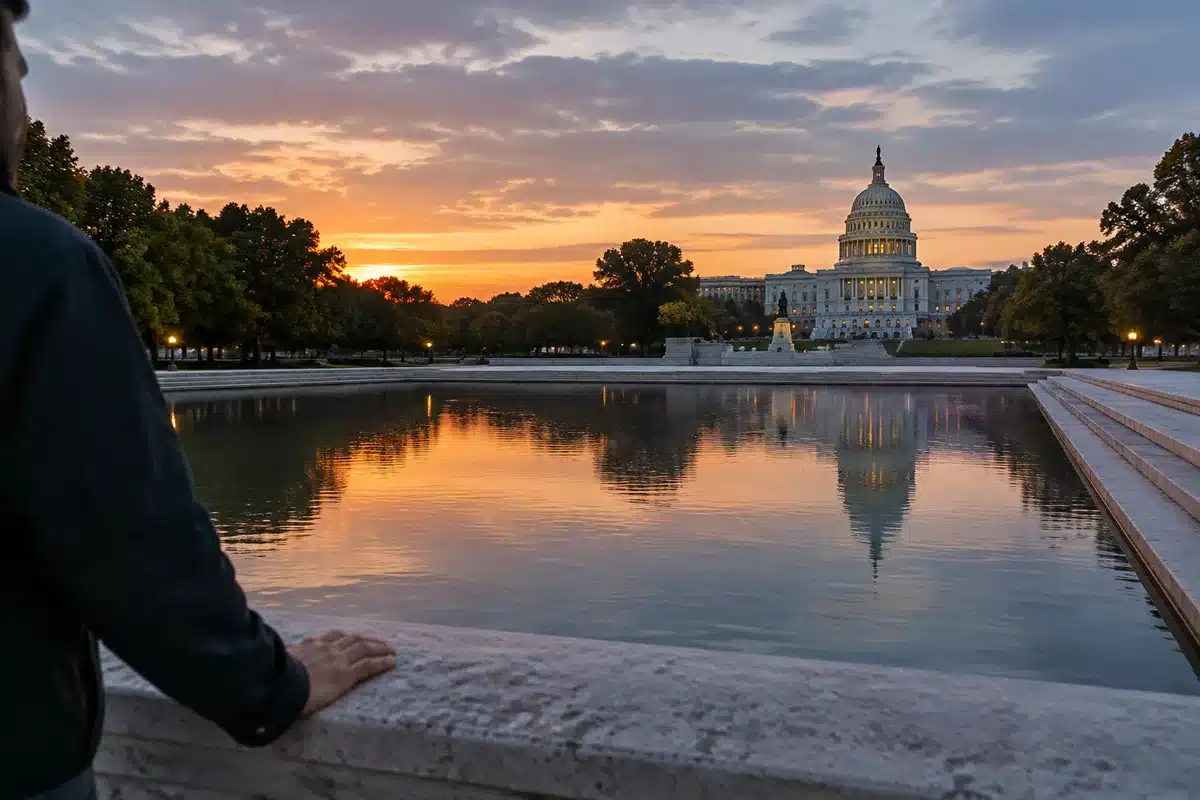
A man charged in the case over damage at the Lincoln Memorial’s Reflecting Pool has asked the Justice Department’s watchdog to examine whether television commentator Jeanine Pirro engaged in improper conduct tied to the prosecution. The move — filed in recent court papers — frames the case as legally weak and seeks to broaden scrutiny beyond the courtroom.
The request centers on allegations that media commentary or communications may have influenced investigative or prosecutorial steps, according to the defendant’s filing. Defense lawyers argue the underlying case lacks merit and say a probe by the DOJ Office of the Inspector General could reveal inappropriate interaction between outside actors and government officials.
What the filing asks for
Boxing champions ditch long runs for high-intensity training: new era in fight prep
Czech nationals among victims of Pinedale-area crash: two confirmed dead
The court documents ask the OIG to determine whether external commentary or direct outreach had any bearing on investigative decisions. Specifically, the defense requests:
- Review of any communications between the commentator and Justice Department personnel;
- Assessment of whether such interactions created an appearance of improper influence;
- Production of any records showing coordination between outside parties and federal investigators.
Those demands, if pursued, could expand the scope of public oversight into how high-profile speech intersects with criminal probes — an issue that raises questions about press freedoms and the integrity of law enforcement processes.
Why the request matters now
Legal experts say the timing matters because the defendant is still facing active charges and pretrial strategy often includes efforts to challenge the prosecutor’s case and evidence. Asking the OIG to investigate a media figure moves the debate from evidentiary disputes in court to procedural scrutiny of the department itself.
For the Justice Department, an OIG review — even one that finds no misconduct — can create additional administrative burden and political attention. For the defendant, it can be a way to cast doubt on the motivations behind the case and to seek discovery that might undercut prosecutorial claims.
Possible outcomes and implications
There are several paths forward depending on how the OIG responds and how the court treats the request:
- If the OIG opens an inquiry, it could subpoena documents and interview DOJ staff;
- A factual finding of improper contact could trigger disciplinary or policy consequences within the department;
- If no wrongdoing is found, the effort may still shape pretrial narratives and public perception.
Observers note that such requests can influence broader debates about the role of commentators in politically charged prosecutions. Courts generally weigh the relevance of outside communications against standards for discovery and the defendant’s burden of proof when alleging prosecutorial misconduct.
Beyond the headlines
At stake is more than one case: the interaction between media, public opinion and criminal justice institutions is under renewed scrutiny. The filing raises questions about transparency and whether public figures’ statements or contacts should trigger formal oversight when tied to active investigations.
Prosecutors are likely to resist expansive discovery into third-party communications unless the defense produces concrete leads that make such a probe reasonable under the rules. For journalists and commentators, the episode underscores legal and ethical lines that can become contested when high-profile cases attract intense media attention.
The OIG has discretion over whether to open a formal review; until it makes that decision, the request remains part of ongoing pretrial maneuvering. Court dockets and future filings will determine whether the matter is confined to legal argument or becomes the subject of a departmental inquiry that could reach beyond this single prosecution.