Show summary Hide summary
Attorneys for former President Donald Trump have asked a court to renew a subpoena seeking the identities of election personnel in Fulton County, Georgia, a move that could reignite debates over the privacy and safety of local election workers while intersecting with ongoing criminal cases tied to the 2020 election.
The request, made in recent court filings, asks a judge to extend a subpoena that would require county election staff to produce names and contact details. Supporters of the motion say the information is necessary to challenge the integrity of the vote count; opponents warn that public disclosure could expose workers to harassment and intimidation and interfere with separate state investigations.
Why this matters now
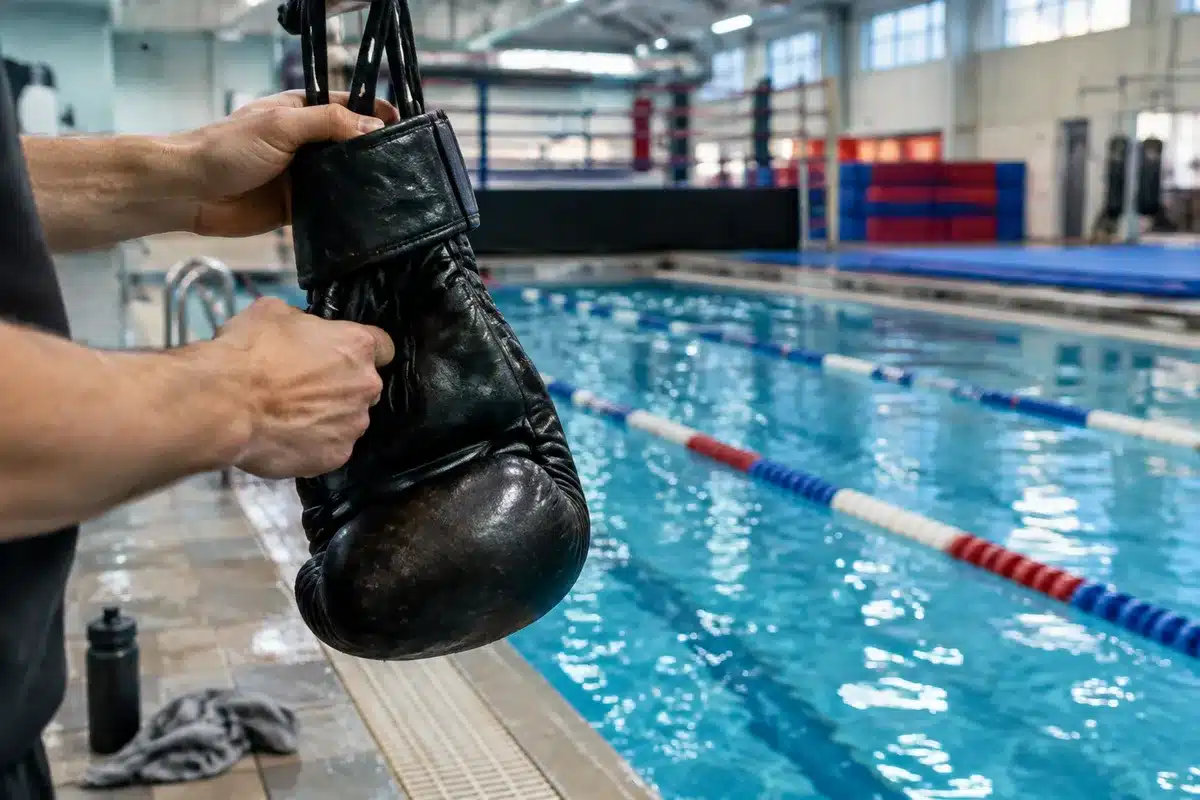
Boxing champions ditch long runs for high-intensity training: new era in fight prep
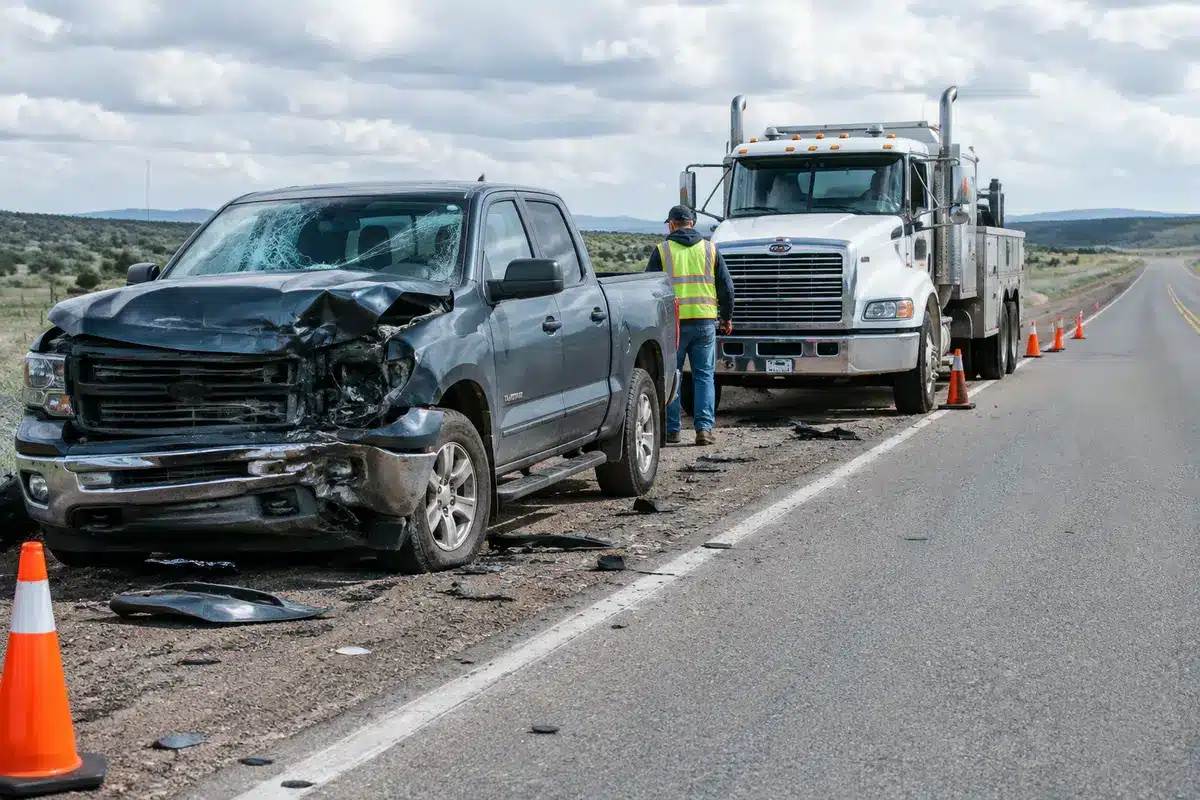
Czech nationals among victims of Pinedale-area crash: two confirmed dead
Renewing the subpoena would bring national attention back to Fulton County, where state prosecutors are pursuing their own cases related to the 2020 election. The dispute also touches on broader questions about how far legal teams may go in seeking evidence that could affect public trust in elections—and whether that pursuit endangers individuals who administer ballots.
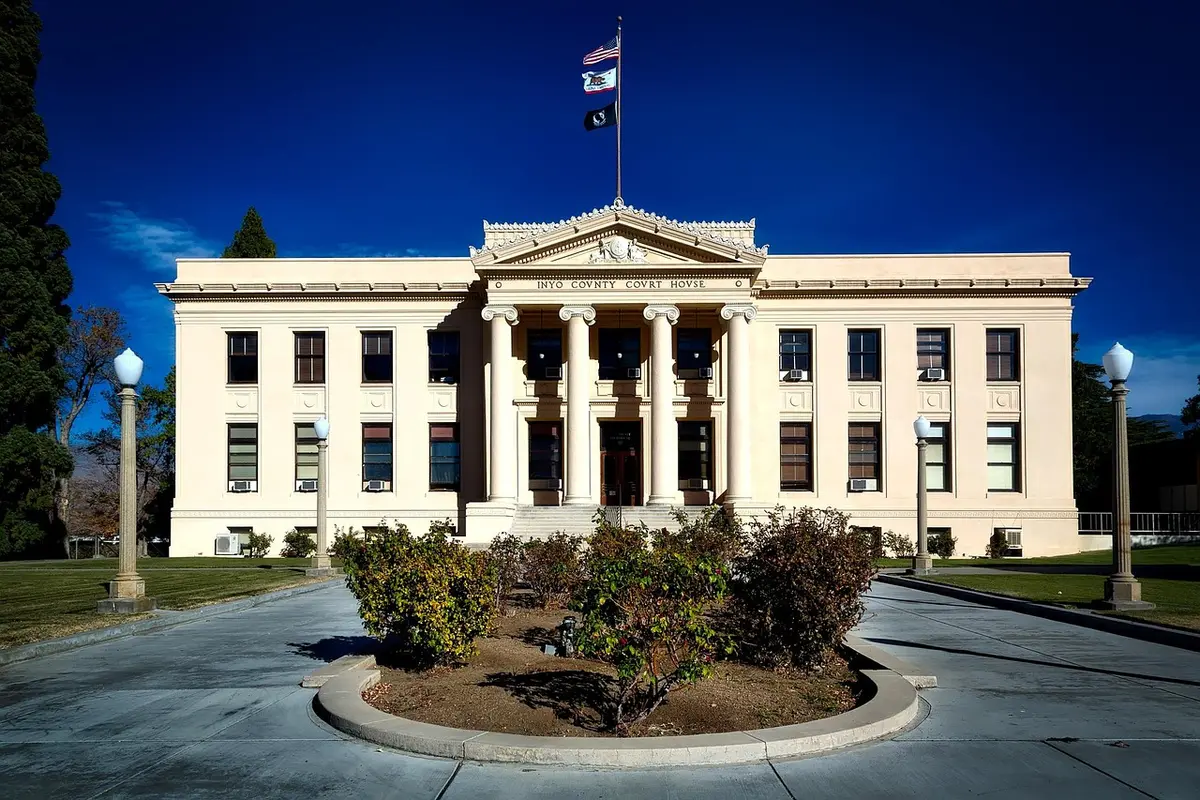
Legal experts say judges must weigh the subpoena’s relevance against potential harm to third parties, especially when disclosure could compromise ongoing criminal probes or violate privacy protections. The outcome could set a precedent for how courts handle similar demands for the identities of election workers in politically charged cases.
Competing arguments in court
Lawyers pressing for renewal argue that names and contact information could help establish whether irregularities or misconduct occurred and are therefore material to their clients’ defenses. They maintain that access to witnesses and documents is a cornerstone of due process.
Prosecutors and civil-rights advocates counter that election workers are often low-profile public servants performing technical duties; exposing their identities risks subjecting them to threats or coordinated harassment. They also emphasize the need to preserve the integrity of separate state-level investigations and grand-jury secrecy where applicable.
- Potential harms: Risk of doxxing, threats, or targeted campaigns against election staff.
- Legal standards: Courts balance relevance and need against privacy and safety concerns when evaluating subpoenas.
- Overlap with state cases: Disclosure could complicate prosecutions already underway in Fulton County.
- Public interest: Debate centers on transparency vs. protection of individuals who run elections.
Broader implications
Beyond Fulton County, the dispute feeds into a larger national conversation about the treatment of election officials since 2020. If courts permit wider access to election workers’ personal information, other jurisdictions could face similar legal and safety dilemmas.
The decision will be watched by civil-liberty groups, local election offices, and legal teams on both sides of election-related litigation. It may also influence how future subpoenas are framed—whether narrowly tailored to avoid unnecessary exposure or broadly drawn to maximize investigative reach.
For now, the matter is before a judge who must balance competing legal claims and real-world risks. Whatever the ruling, it is likely to affect how courts and campaigns approach the disclosure of sensitive information tied to election administration in high-profile cases.