Show summary Hide summary
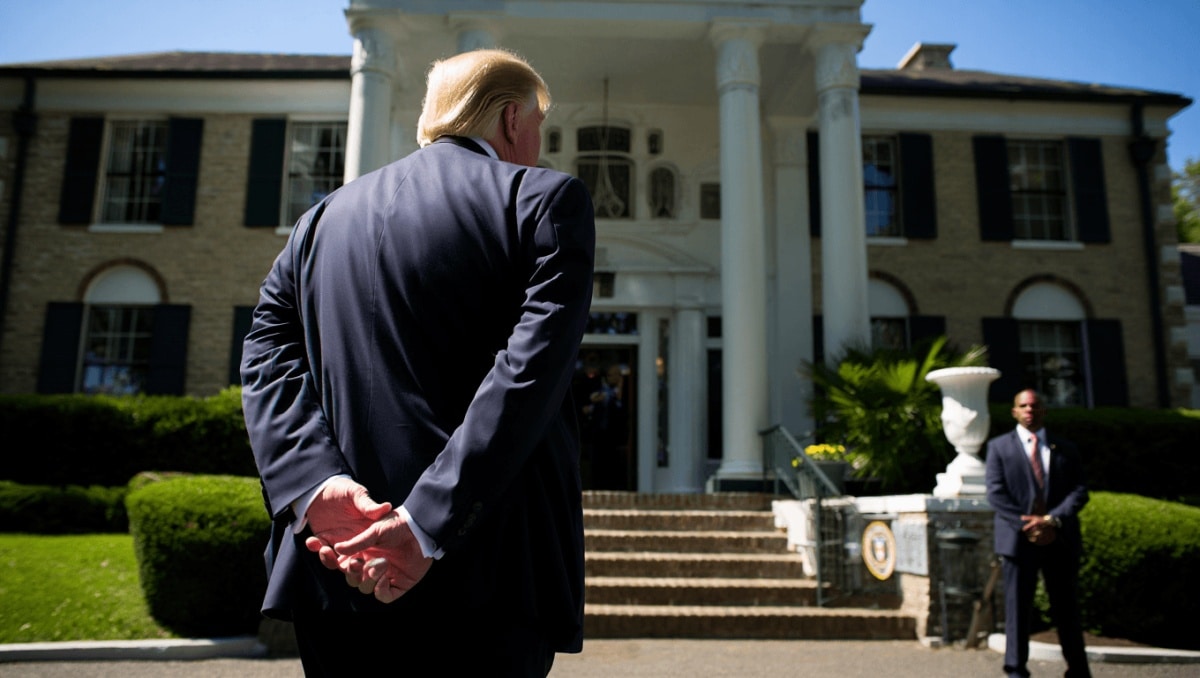
Amid rising tensions in the Middle East and complaints about long airport security lines, President Donald Trump paused in Memphis for an unscheduled visit to Graceland, the former home of Elvis Presley. The short diversion drew attention both for its cultural significance and for the timing: it came during a roundtable on crime and while federal agencies contend with operational disruptions.
The president toured the museum-style rooms at Graceland, examined several personal artifacts and signed a replica guitar, according to people familiar with the visit. The stop — closed briefly to the public to allow a private walkthrough — was near the site of a policy meeting attended by senior administration officials.
What the tour included
During the visit, Trump inspected a range of preserved items tied to Presley’s life and military service. Staff escorted him through the house’s signature spaces and handled delicate memorabilia with gloves as a precaution.
Boxing champions ditch long runs for high-intensity training: new era in fight prep
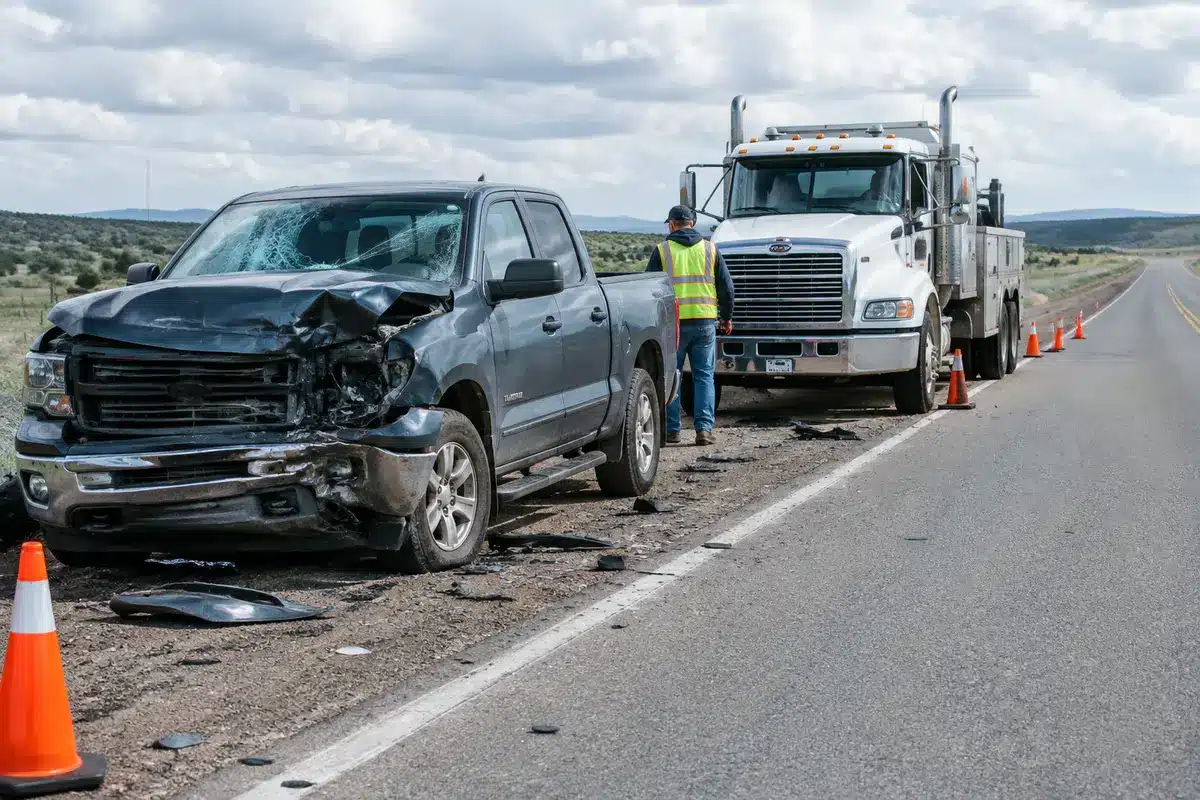
Czech nationals among victims of Pinedale-area crash: two confirmed dead
- Military memento: An Army helmet bearing Presley’s initials drew attention as a tangible link to his 1958 service.
- Signature rooms: The president visited the den known as the “Jungle Room”, noted for its green shag carpet and indoor waterfall, and peeked into the kitchen area.
- Personal effects: He examined a gold-plated Social Security card and a gold telephone, and quipped about wanting to hear the conversations associated with the phone.
- Fan gesture: A guide handed the president a replica guitar associated with Presley’s 1973 “Aloha From Hawaii” concert for a brief signing; the guide wore gloves to protect the instrument.
Guides did not include the room where Presley died as part of the tour, consistent with standard public-access policy for the site.
Context and reactions
The stop came on the same day the president held a roundtable in Memphis focused on local crime. Attendees at the meeting included the head of the Department of Veterans Affairs and other senior figures, who discussed community safety and federal support.
At the same time, U.S. forces remained engaged in a regional conflict after the White House ordered a temporary pause on strikes targeting Iranian power infrastructure — a move framed as limited in scope — while federal operations, including the Transportation Security Administration, have been affected by personnel and funding disputes tied to a Homeland Security lapse.
Those broader developments help explain why the Memphis visit drew swift attention: the cultural stop offered a striking contrast to the president’s security- and policy-focused agenda that day, and it highlighted the intersection of politics, public perception and national events.
Trump has long used Presley’s music in campaign settings and has publicly compared himself to the singer on multiple occasions; the president referenced that affinity during the tour and quipped about whether he might have fared better than Presley in a hypothetical fight, a remark delivered with a smile.
Key takeaways
- Timing: The Graceland visit occurred while the administration was managing international tensions and domestic operational strains at federal agencies.
- Symbolism: Stopping at one of America’s best-known celebrity homes underscored the cultural resonance of Elvis Presley and the president’s affinity for his music.
- Public access: The mansion was briefly closed to allow a private walkthrough; core preservation practices — such as not entering the private bathroom where Presley died — remained in effect.
Memphis tourism officials list Graceland among the city’s most visited attractions; it opened to the public as a museum in the early 1980s and has since served as a major destination for fans and cultural tourists. The president’s brief detour reinforced how public figures sometimes use symbolic sites to shape messaging, even amid urgent policy concerns.