Show summary Hide summary
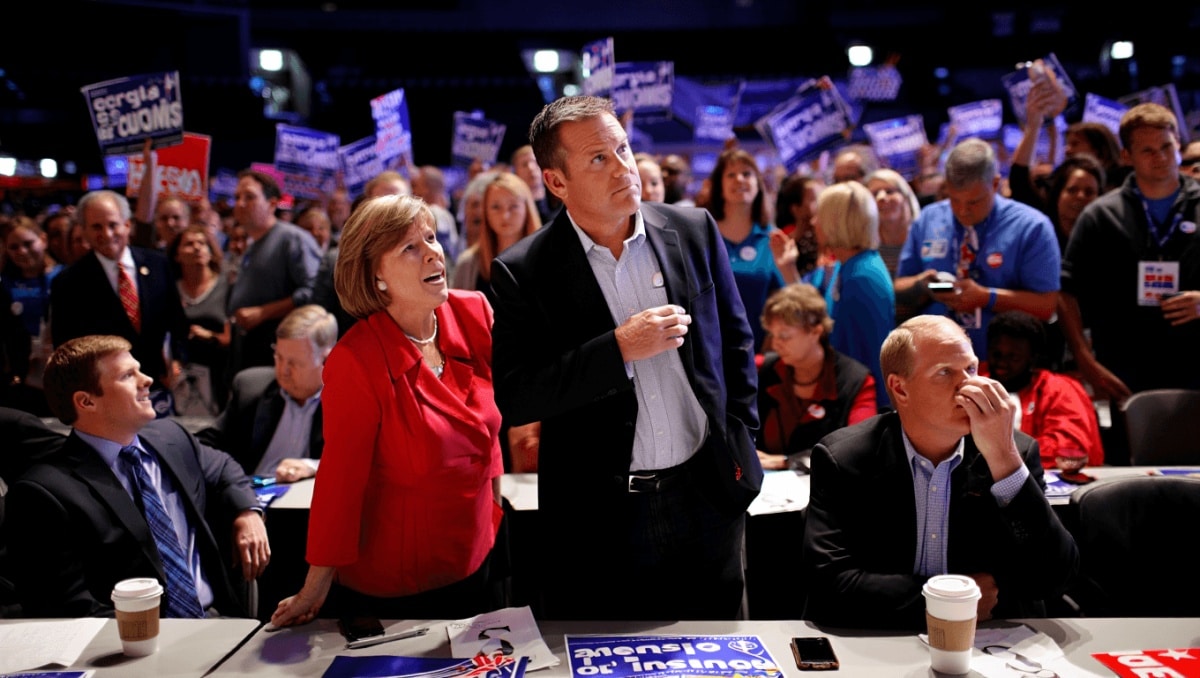
With the May 19 Democratic primary in Georgia less than a month away, the party finds itself in a low-key, underfunded scramble for the nomination — even as the state remains a top target for both parties. National Democrats promise to step in if needed, but a crowded field and lopsided Republican spending leave the eventual nominee facing steep odds.
The contrast with four years ago is stark: where Stacey Abrams once commanded national attention and cash, the 2026 Democratic contest is running quietly. Republicans have poured nearly $100 million into Georgia advertising, while Democrats’ spending so far stands at roughly $1.24 million, according to campaign tracking through this cycle.
Money and momentum — why this matters now
Boxing champions ditch long runs for high-intensity training: new era in fight prep
Czech nationals among victims of Pinedale-area crash: two confirmed dead
The gap in advertising and donor attention could determine whether Democrats capitalize on demographic changes that have made Georgia competitive in recent federal races. If Democrats fail to coalesce behind a strong nominee, they risk missing a chance to reclaim a governorship the party has not won since 1998.
Andy Beshear, who leads the Democratic Governors Association, visited Atlanta recently and told reporters the national group plans to back the eventual nominee. “We’re going to make sure the Democratic candidate in Georgia has the funding they need to compete,” Beshear said, signaling that national dollars could arrive late in the race.
Still, late money is not the same as early organization. Political operatives warn that ad buys, field programs and voter outreach built months in advance are difficult to replicate on short notice — especially against a GOP field that has already concentrated major resources.
Where the Democratic contest stands
Several Democrats are competing for the nomination, with different bases and strategies. The campaign has not produced wide ideological fights seen in other primaries; instead, the race so far has been relatively restrained, with limited direct attack lines among the leading contenders.
Key themes on the Democratic side center on health care expansion, housing affordability and education — issues candidates say can attract swing voters if framed around performance and practical solutions.
- Keisha Lance Bottoms — The former Atlanta mayor highlights her executive experience and national profile from time in the Biden administration. She frames her pitch around being a “battle-tested leader” ready to tackle statewide issues.
- Jason Esteves — A state senator and former school board member who emphasizes his roots as a teacher and small-business owner. Esteves has spent on a late advertising surge and has criticized Bottoms’ record in office.
- Other contenders — Candidates such as Duncan and Michael Thurmond (former state labor commissioner and DeKalb County CEO) are pressing different coalitions: Duncan appealing to moderates and newer Democrats, Thurmond to older and rural-leaning party voters.
Esteves has been the only Democrat to mount sustained attacks on rivals, focusing on management of crime and pandemic-era decisions by Bottoms. Bottoms responds that her decision not to seek a second term as mayor was a personal one and underscores accomplishments she says prepared her for statewide office.
How the Republican side shapes the race
Republican contenders have used personal wealth and large outside spending to dominate the airwaves, and at least one GOP hopeful has pledged unusually large sums to their own bid. The party’s early advantage in advertising raises the stakes for Democrats, who fear being out-organized before national help arrives.
A Trump endorsement also sits in the Republican mix, giving at least one contender additional momentum among conservative primary voters. That dynamic could push the GOP nominee to the right, shaping the issues and tone of a potential November general election.
Practical timeline and implications
The practical calendar is tight: the party primary is set for May 19, and if no candidate wins a majority, a runoff would likely follow on June 16. Georgia’s history of runoffs — and the state’s changing electorate — means both sides are already calculating turnout strategies for the summer.
- May 19 — Democratic primary in Georgia
- June 16 — Probable runoff date if no candidate reaches 50%
- Late summer/fall — National party resources likely to reallocate depending on the nominee and competitiveness
For voters, the immediate consequence is clear: a fragmented, underfunded primary could leave Democrats without the machinery needed for a robust general-election campaign. For national strategists, the question is whether late infusions of cash and organizing can plug that gap in time.
Adding a human dimension, candidates are courting different constituencies — younger, multiracial voters; moderates disillusioned with Republicans; and older, rural Democrats — shaping a primary whose outcome will set the tone for a competitive general election in a pivotal swing state.
Correction: Jason Esteves’ family background was previously misstated in an earlier draft. His father is both Puerto Rican and Black, and his mother was Puerto Rican.