Show summary Hide summary
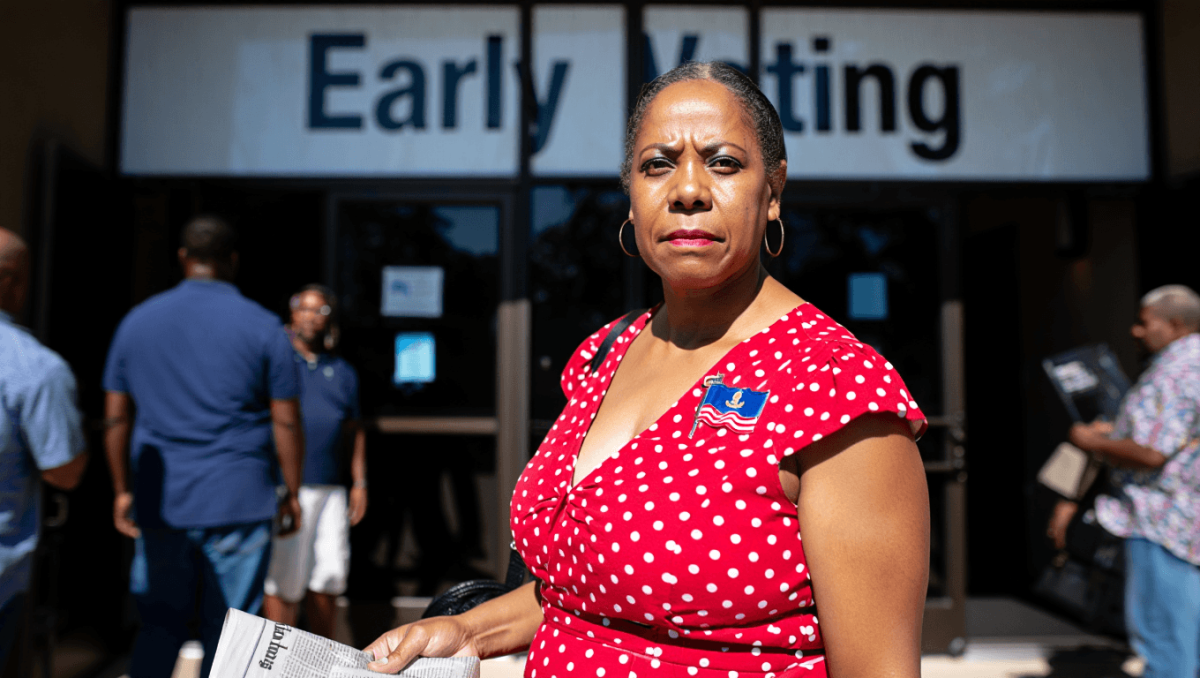
Louisiana voters head to the polls Saturday in a pared-down primary that could reshape the state’s Republican delegation and test the strength of former President Donald Trump inside the party. The most prominent contest is the GOP Senate primary, where incumbent Sen. Bill Cassidy faces a crowded field and criticism tied to his 2021 vote to convict Trump after the Jan. 6 attack on the U.S. Capitol.
Senate stakes and national implications
Cassidy, seeking a third term, must first clear challengers including former U.S. Rep. John Fleming, who now serves as state treasurer, and Rep. Julia Letlow, who won a special election earlier this year. A loss for Cassidy would likely produce a Senate GOP conference even more consolidated around Trump-aligned senators and underscore the former president’s sway over Republican primaries.
Boxing champions ditch long runs for high-intensity training: new era in fight prep
Czech nationals among victims of Pinedale-area crash: two confirmed dead
The result matters beyond Louisiana: Democrats are not targeting this Senate seat as part of their pathway to a majority, but an upset would signal how strongly the GOP electorate is rewarding loyalty to Trump and punishing those perceived as disloyal.
How this primary looks different
Voters will see a format change: candidates from each party appear on separate ballots rather than the traditional Louisiana “jungle” primary that mixed all contenders. That shift follows a 2024 law altering primary procedures for several offices; the new rules apply to most state contests this year.
Complications from a recent U.S. Supreme Court ruling that struck down the state’s congressional map mean U.S. House contests will still appear on ballots in some places, but votes in those races will not be counted this week while lawmakers and courts adjust district lines.
| Election quick facts | |
|---|---|
| Polls close | 8 p.m. Central Time (9 p.m. ET) |
| Key offices on the ballot | U.S. Senate (GOP primary), state Supreme Court, Public Service Commission, state school board, five constitutional amendments |
| Who can vote | Registered party members may vote only in their party’s primary. Independents may choose either major party’s primary. |
| Registered voters | About 3 million: roughly 1.1 million registered Democrats, 1.1 million Republicans, and ~813,000 unaffiliated (figures as of May 1) |
| Early and absentee ballots | Approximately 255,000 ballots already cast for Saturday’s primary; in 2024 primaries, early/absentee made up roughly 41% of GOP and 45% of Democratic votes |
| Turnout benchmark | 2024 party primaries drew about 192,000 GOP votes and 167,000 Democratic votes—each around 6% of registered voters |
| Recounts | No automatic recounts; a candidate may request and pay for a recount of early and absentee ballots |
Parishes and voting patterns to watch
- Jefferson, East Baton Rouge and Orleans parishes are population centers; results there often shape statewide outcomes.
- St. Tammany Parish has historically delivered large totals for Republican candidates in primary contests.
- Caddo and Lafayette parishes frequently play an outsized role in GOP primaries compared with Democratic contests.
Early and absentee returns are typically released by each parish in the first updates and are reported separately from in-person Election Day tallies. Major outlets generally withhold calling a race until the available vote math makes it impossible for a trailing candidate to overtake the leader; exceptions occur when candidates concede or legal actions materially change the picture.
How quickly the outcome becomes clear will depend on the pace of parish reporting and the size of any margins. In last year’s general election, most results were available within a few hours after polls closed, with nearly all votes reported by around midnight Eastern.
If no candidate reaches the threshold needed under state law, a runoff will follow: voters should note that a potential primary runoff is 42 days away, and the general election and rescheduled U.S. House jungle primaries are set for Nov. 3, with a possible December runoff for other contests.
For voters and political observers, Saturday’s primary is more than a local test: it is an early indicator of how intraparty dynamics and new voting rules will shape Louisiana’s politics through the 2026 cycle.