Show summary Hide summary
The Kennedy Center raced against a court deadline Friday night to remove references to former President Donald Trump from its facade, as judges denied requests to pause the order and the institution scrambled to finish work interrupted by severe storms. The dispute has raised immediate questions about who controls the name of a national cultural landmark and whether planned repairs can proceed as scheduled.
Late Friday the U.S. District Court refused to halt an order requiring the removal of Trump’s name from the performing arts center’s exterior and other materials. The Kennedy Center appealed the decision and sought emergency relief, but the appeal was denied Saturday morning.
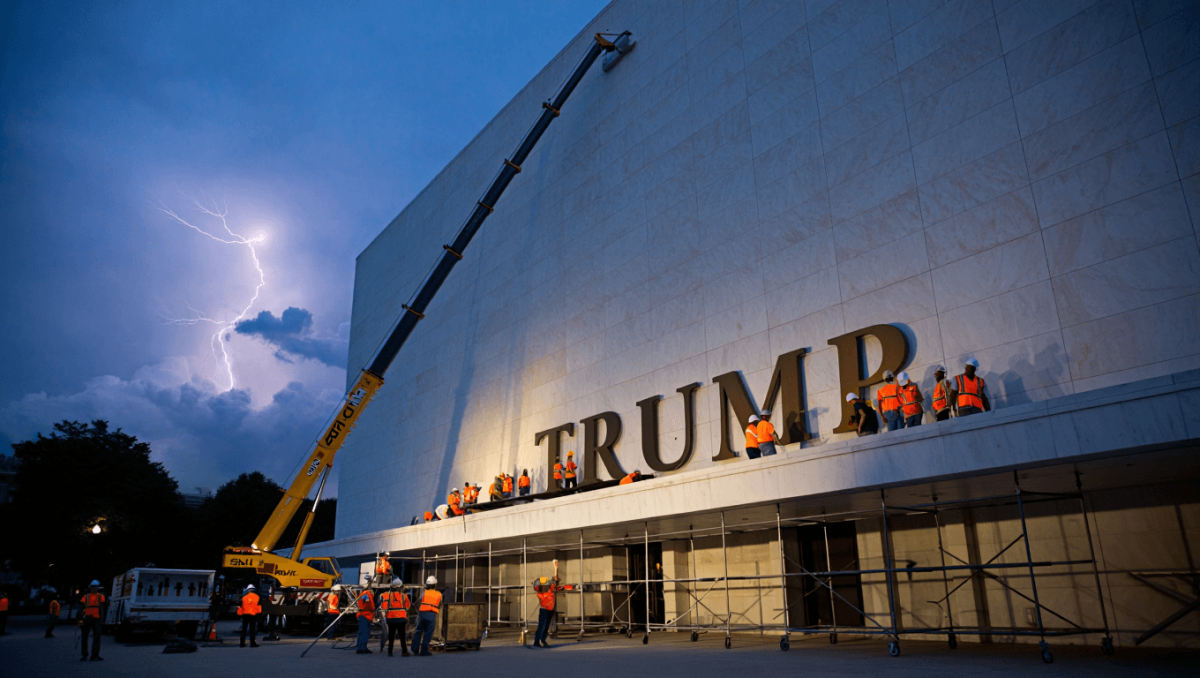
Crews erected scaffolding around the section of the building that had displayed the name, but weather—including lightning and heavy storms across the Washington area—slowed the operation. In a filing, the Kennedy Center said removal work was underway and asked a judge for a short extension, saying the job would finish in the early hours of Saturday; the court extended the deadline only briefly, setting a new cutoff at noon Eastern.
Boxing champions ditch long runs for high-intensity training: new era in fight prep
Czech nationals among victims of Pinedale-area crash: two confirmed dead
On the plaza, visitors lingered to watch and photograph the activity; some shouted encouragement and chanted “take it down.” Representative Joyce Beatty, who is an ex-officio board member and one of the plaintiffs seeking the name’s removal, was seen among the crowd.
What the court ruled and why it matters
Judge Christopher Cooper concluded that only Congress has the authority to rename the national performing arts center, and he barred the Kennedy Center from closing for the major renovation that had been planned to begin in July and last about two years. That injunction not only affects the building’s signage but also the center’s timetable for addressing significant structural work.
The Kennedy Center told the appeals court that the renovation is urgent, pointing to corroded beams and a deteriorating parking garage ceiling that, in its view, pose safety risks. In its brief, the institution urged the court to allow a temporary closure to complete repairs and prepare the facility for the longer upgrade.
At the same time, the center has acted to comply with aspects of the judge’s ruling: its website and official documents have removed the former president’s name, and internal guidance directed staff to use either “The John F. Kennedy Center for the Performing Arts” or simply “Kennedy Center” on letterhead and email signatures.
Quick timeline of the dispute
- Weeks earlier: Board changes installed after the president returned to office led to the addition of his name on the building.
- June: A court challenge was filed seeking removal of the name from the center’s facade and materials.
- Judge Cooper ruled that only Congress can rename the center and prevented a planned two-year closure for major renovations.
- Friday evening: Court refused to pause the removal deadline; scaffolding went up and crews began work.
- Late Friday to early Saturday: The Kennedy Center requested a short extension due to storm delays; the court set a brief new deadline.
What happens next will shape both the center’s immediate operations and longer-term plans for rehabilitation. If the court’s prohibition on the planned closure remains in place, the Kennedy Center may have to stage repairs in phases, potentially extending costs and complicating scheduled performances and events.
Beyond logistics, the dispute highlights a larger procedural question: whether a federal cultural institution’s name can be altered through internal board action or whether that authority rests with lawmakers. The court’s current stance favors congressional control, but appeals are ongoing and could prompt further legal examination.
For now, the visible signs of the controversy—scaffolding, crews at work, and a public audience on the plaza—underscore the immediate stakes for a landmark that hosts national ceremonies, touring productions and tens of thousands of visitors each year.