Show summary Hide summary
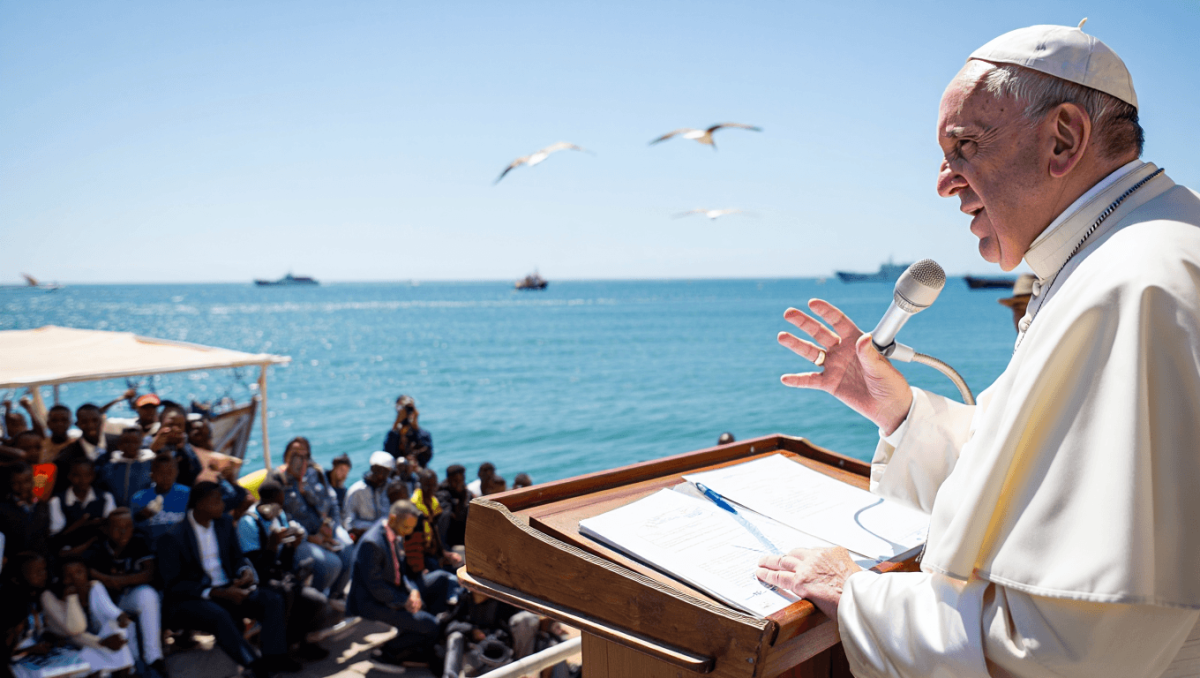
On the final day of a visit to the Canary Islands, the pope delivered a blunt moral warning to people smugglers, saying they will answer for profiting from migrants’ desperation and urging communities to welcome and integrate those who survive perilous sea crossings. The remarks capped a trip intended to draw attention to the human cost of Atlantic migration and to press European countries for humane responses.
A direct appeal to traffickers
Speaking at a meeting with humanitarian groups on Tenerife, the pope singled out criminal networks that organize the Atlantic crossings and pressed them to stop. He told traffickers, in Spanish, “Stop. Repent,” and warned that those responsible for deaths, exploitation and deception will face moral and divine judgment.
Boxing champions ditch long runs for high-intensity training: new era in fight prep
Czech nationals among victims of Pinedale-area crash: two confirmed dead
His message blended urgency and moral clarity: he described the ocean routes as “death corridors” where many lives are lost and warned communities against treating survivors as disposable. The pope insisted that faith-based and civic responses must protect migrants’ dignity and promote integration into receiving societies.
Why this matters now
The Canary Islands remain a key entry point for people leaving West Africa. While arrivals have fallen sharply since a 2024 peak, the route continues to be deadly because of long distances, limited rescue resources and unpredictable currents. The pope’s intervention arrives amid renewed political debate in Europe and the United States over migration policy and border controls.
- Scale: Migrant landings in the Canaries reached nearly 47,000 in 2024; just over 3,000 arrived in the first five months of 2026.
- Risk: Experts say the Atlantic route can be more lethal than the central Mediterranean, with several boats drifting across the ocean with only casualties aboard.
- Exploitation: Smugglers often charge thousands of euros, with reports of withheld documents, forced labor and sexual exploitation as methods of extracting payment.
On-the-ground encounters
The pope visited reception centers and spoke directly with men and women who had crossed the Atlantic. At the Las Raíces camp he broke from his prepared remarks to address migrants in French and English, acknowledging the diversity of those he met and drawing strong applause.
One woman described the reasons she left home, the trauma of the voyage and the relief of finding safety. “We aren’t asking for privileges,” she said. “We want respect, humanity and the chance to live with dignity.”
The pope reiterated that countries of origin share responsibility for reducing forced migration by improving security and economic conditions, while destination states must offer protection and pathways to integration without erasing migrants’ beliefs or identities.
Symbolic gestures and continuity
The visit echoed earlier acts by his predecessor that highlighted the plight of migrants. From a harbor once nicknamed the “Dock of Shame,” the pope cast flowers into the sea—a gesture recalling past papal protests at migrant suffering. He also connected with younger audiences, smiling and responding with a popular hand gesture after a migrant’s testimony, a moment that drew cheers.
Observers say the trip extends a long-standing Vatican emphasis on welcoming the stranger while adapting its public language and ritual to new contexts and audiences.
His return to Rome was disrupted when his Iberia charter developed a technical fault. Spain’s King Felipe VI offered his private plane; the pope accepted and eventually departed after airline arrangements were adjusted so journalists and Vatican staff could be collected separately.
Next month the pope is due to mark July 4 with a visit to Lampedusa, the Sicilian island that has become emblematic of Europe’s migration crisis. The Canary Islands trip has sharpened focus on the Atlantic crossings and on the practical and moral choices facing governments and communities.