Show summary Hide summary
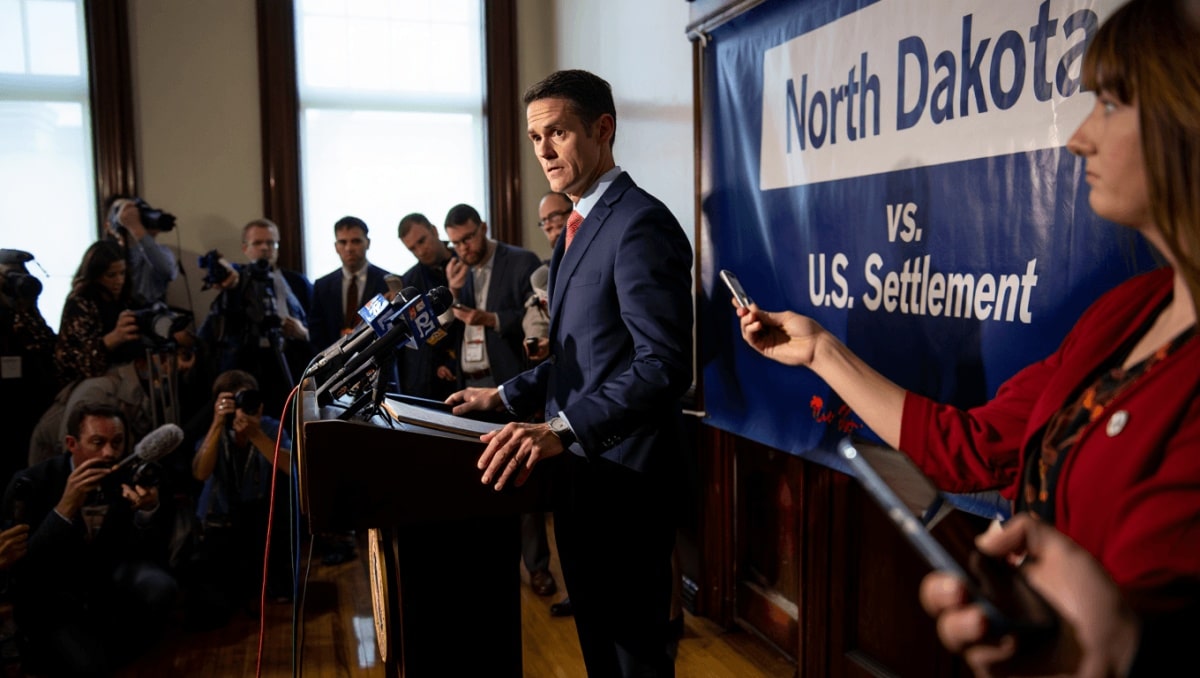
The federal government has agreed to pay North Dakota nearly $28 million to resolve a long-running lawsuit over state expenses tied to the large, sometimes-violent protests at Standing Rock nearly a decade ago, the state attorney general said Thursday. The settlement both settles the financial claims and includes a formal acknowledgment by the United States that its earlier choices had serious consequences for North Dakota residents and law enforcement.
Attorney General Drew Wrigley said the payment will wipe out loans the state took to cover response costs, and that the government will drop all appeals in the case. He described the federal statement recognizing the toll of intimidation, property damage and unlawful encampments as overdue.
What the settlement covers and why it matters now
Boxing champions ditch long runs for high-intensity training: new era in fight prep
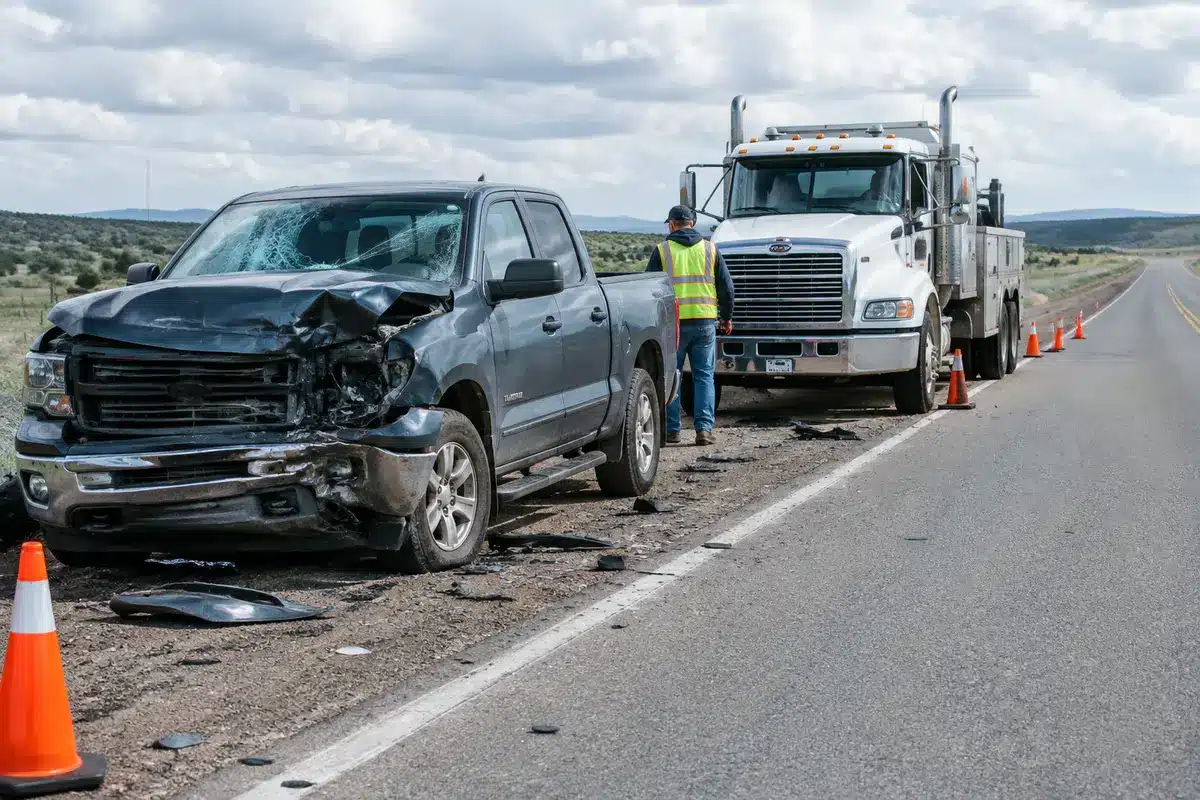
Czech nationals among victims of Pinedale-area crash: two confirmed dead
The agreement ends a legal fight that a federal judge had resolved in the state’s favor, finding the United States liable for negligence and other claims and setting the award at about $27.8 million. The settlement preserves that figure while factoring in earlier payments made during and after the protests.
For residents and taxpayers, the immediate effect is straightforward: North Dakota’s outstanding debt tied to the response will be repaid, shifting the fiscal responsibility to the federal government. The decision also provides a rare formal federal acknowledgment that government actions—or decisions not to act—had significant local impacts during the protests.
- Settlement amount: Nearly $28 million to be paid by the federal government.
- Legal posture: The government will dismiss its appeals and issued a statement recognizing harms suffered by the state and law enforcement.
- Earlier payments: A prior federal payment of $10 million was accounted for in the judge’s calculations; a private company involved with the pipeline also made a contribution the court treated as a gift.
- Operational context: The Dakota Access pipeline has been in operation since mid‑2017 and carries roughly 540,000 barrels per day—about 4% of U.S. daily oil production.
- Next steps: The state will use the settlement to retire loans taken from the Bank of North Dakota; tribal leaders are reviewing options to protect treaty rights and water safety.
The protests centered on a proposed pipeline crossing of the Missouri River upstream of the Standing Rock Sioux reservation in 2016–17. What began as a local opposition movement grew into a national and international demonstration, drawing thousands of supporters and several well-known public figures.
The state’s legal filing detailed a prolonged response that spanned seven months, involved more than 170 agencies, resulted in 761 arrests and required a multi-day cleanup to remove what officials described as millions of pounds of debris from the encampment.
Government response and legal timeline
The U.S. Justice Department, while disputing some of the court’s legal reasoning, acknowledged in its settlement statement that choices made under the prior administration—to avoid forcibly removing protesters from federal land—had painful effects for North Dakotans. The department framed that approach as an attempt to prevent escalation, even as it admitted the decision carried costs for local communities.
Earlier rulings found the federal government liable for negligence, gross negligence, civil trespass and public nuisance. In recent weeks the court vacated certain prior orders at the joint request of the parties to allow the settlement to move forward; the presiding judge urged litigants to settle disputes even in cases involving serious government conduct.
Where this leaves tribes and the pipeline
Tribal leaders, including Standing Rock’s chairman, say they will continue to explore legal avenues to protect treaty rights and ensure clean water. The Army Corps of Engineers in May gave final approval for the pipeline’s Missouri River crossing after an extended environmental review process, a decision that keeps the pipeline in service.
That approval and the financial settlement address different aspects of the Standing Rock saga: one resolves a state reimbursement claim; the other governs the pipeline’s regulatory status and the tribe’s ongoing legal and political options.
While the settlement closes a major chapter of litigation over public costs, it leaves open broader questions about how federal authorities balance crowd-control, property protection and tribal concerns—issues that remain relevant for communities and officials confronting large, sustained demonstrations.