
Show summary Hide summary
A woman has, according to police, admitted to killing a romantic rival in messages that were later deleted from Snapchat — a case investigators say was pieced together after digital forensics recovered the exchanges. The episode underscores how social apps once touted as ephemeral can still leave a trail that reshapes criminal investigations and courtroom evidence.
Local authorities disclosed the admission as part of an ongoing inquiry into a recent homicide. Investigators say the suspect’s account included messages that indicated intent and motive, material that was retrieved after the snaps were deleted from the app.
How deleted messages became evidence
Police statements describe a multistep recovery: investigators obtained devices and used forensic tools to recover fragments of communications that Snapchat’s ephemeral settings had attempted to remove. In many cases, traces survive in phone storage, app caches, backups or on service-provider systems subject to legal requests.
Boxing champions ditch long runs for high-intensity training: new era in fight prep
Czech nationals among victims of Pinedale-area crash: two confirmed dead
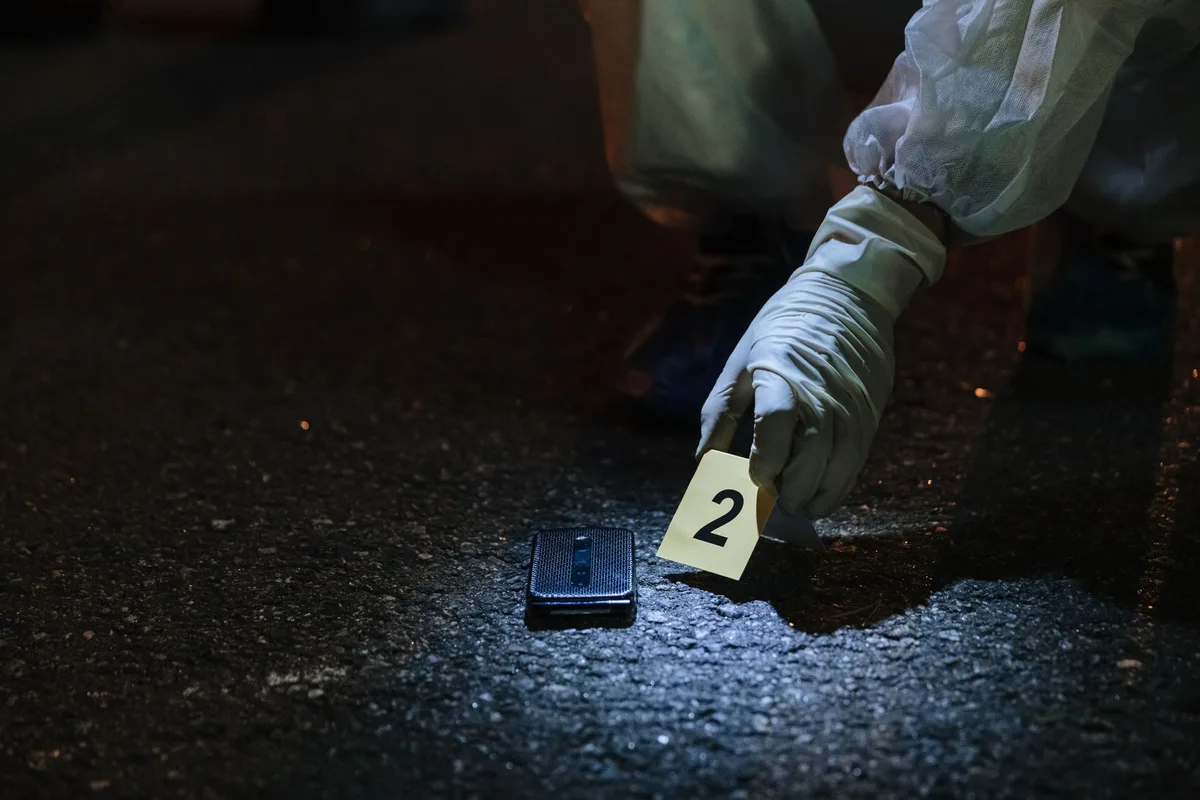
Prosecutors often rely on this kind of digital reconstruction when physical evidence is limited. Authorities told reporters that the recovered items formed a key part of the case timeline and contributed to the decision to pursue an arrest.
What this means for similar investigations
For law enforcement and legal teams, the case highlights two trends: first, that social media behavior can establish motive and intent; second, that deleted content is not necessarily irretrievable. Defense attorneys may still challenge the authenticity or context of such material, but courts increasingly accept forensic recoveries when proper procedures and chain-of-custody are documented.

Privacy advocates warn that the same technical abilities can be used broadly, raising questions about surveillance and data retention policies. Meanwhile, investigators emphasize that digital traces frequently become crucial when eyewitness accounts conflict or are absent.
- Police claim: A suspect admitted to the killing in Snapchat messages later deleted from the app.
- Recovery methods: Forensic analysis of phones and backups can often reconstruct deleted messages and metadata.
- Legal stakes: Recovered communications may be used to support charges, but their admissibility depends on proper procedures and verification.
- Broader implications: The case serves as a reminder that “disappearing” posts may still be discoverable in criminal probes.
The investigation remains active. Authorities have not released all details publicly and caution that their account is preliminary as evidence is reviewed and legal proceedings move forward.
Context for readers
Social platforms that offer ephemeral messaging, like Snapchat, are often perceived as private spaces where messages vanish. Technically, however, deletion on a device or within an app does not guarantee total erasure. Forensics specialists can extract data from devices, system logs and cloud backups — especially when law enforcement obtains warrants or subpoenas.
This matters today because digital communications routinely shape criminal cases. As more interactions migrate to messaging apps, investigators and courts are adapting to handle digital artifacts while balancing privacy and legal protections.
For everyday users, the case is a clear reminder: deleting a message is not a foolproof safeguard against discovery. For legal professionals, it reinforces the importance of timely device preservation, documented procedures for evidence handling and careful scrutiny of digital proofs presented in court.
Authorities ask anyone with information about the case to contact investigators. The presumption of innocence applies until a court determines guilt, and officials say they will release further information as the investigation and any subsequent prosecution progress.