Show summary Hide summary
Firing cannons, riding in parades and taking an obligatory plunge in a dunk tank are not typical tasks for an Air Force colonel—but for Col. Jonathan Esses they are part of a job that blends military protocol with prairie spectacle. As the Air Force’s liaison to Cheyenne Frontier Days, Esses connects a major military installation with one of Wyoming’s largest public celebrations, shaping how both institutions show up for the community.
Bridging base and celebration
Esses, a C-130 pilot known by the callsign “T.U.T.,” serves as the primary contact between F.E. Warren Air Force Base and Cheyenne Frontier Days (CFD). His role is less about issuing orders and more about coordinating people, equipment and traditions so the military’s presence at CFD runs smoothly.
Boxing champions ditch long runs for high-intensity training: new era in fight prep
Czech nationals among victims of Pinedale-area crash: two confirmed dead
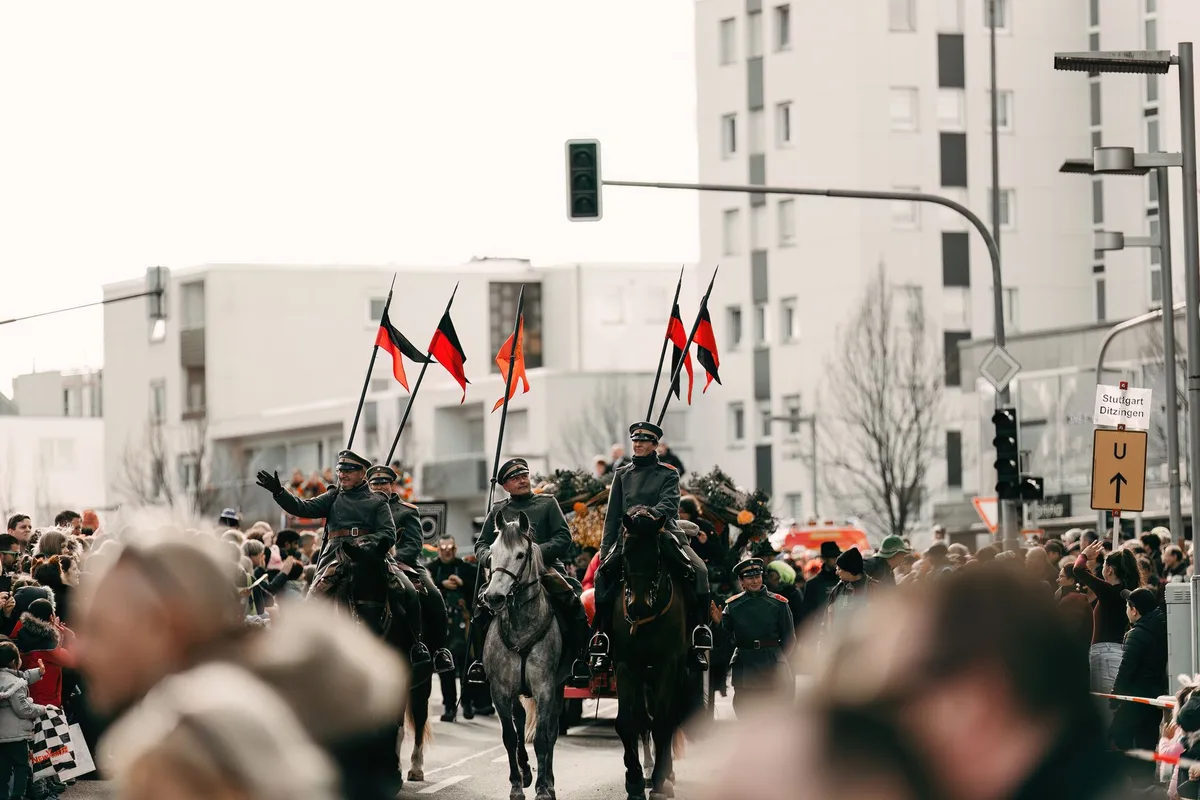
That coordination extends beyond a few color guards and bands. Each year the base stages its own heritage program, Fort D.A. Russell Days, and many of the same vehicles and performers appear in CFD’s opening ceremonies and parades. By aligning schedules, sharing assets and splitting costs when practical, both sides gain wider exposure with less duplication of effort.
What he actually does
Esses handles approvals, logistics and requests that involve base personnel taking part in Frontier Days events. He reviews applications for military units to appear in parades, works with the guard on uniformed stage appearances and helps arrange ceremonial elements for rodeo openings and other public moments.
- Approves color guards, bands and other military participants
- Coordinates equipment and vehicle usage between base events and CFD
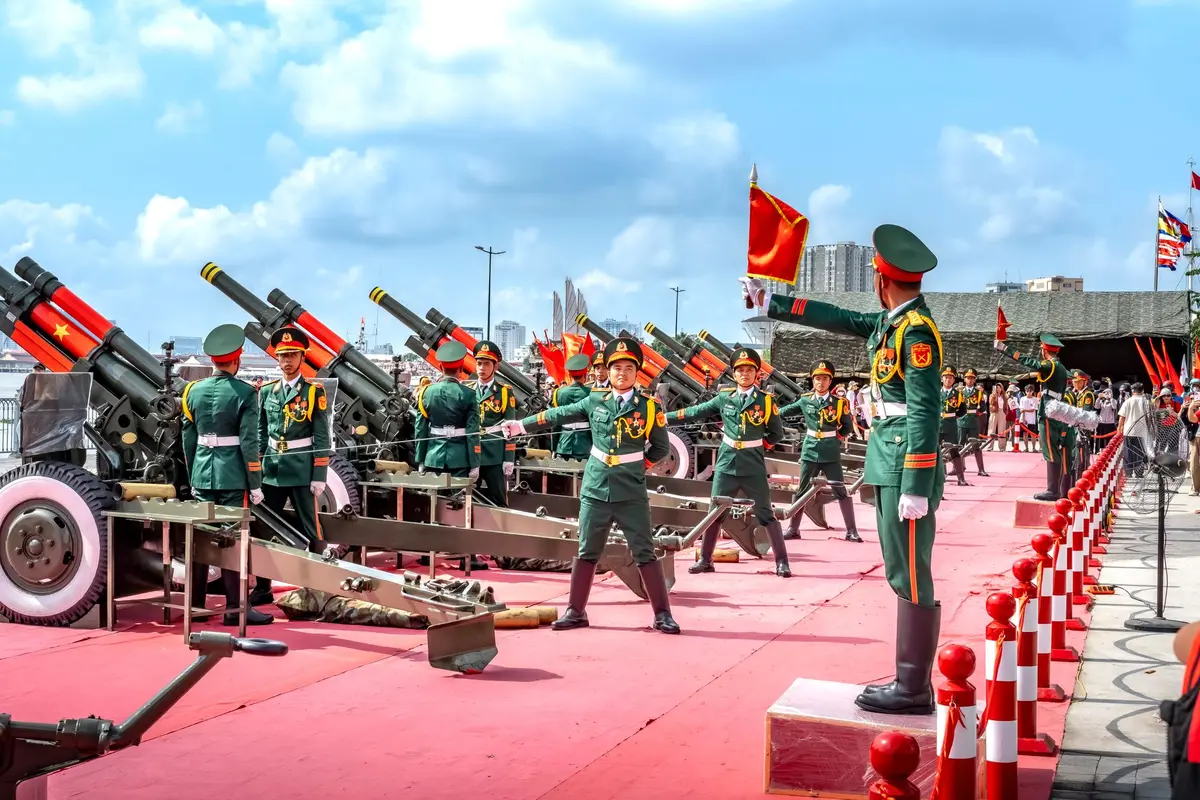
- Arranges ceremonial duties such as flyovers and pistol/cannon salutes
- Serves as the initial point of contact for event organizers seeking military support
Tradition, pageantry and a few surprises
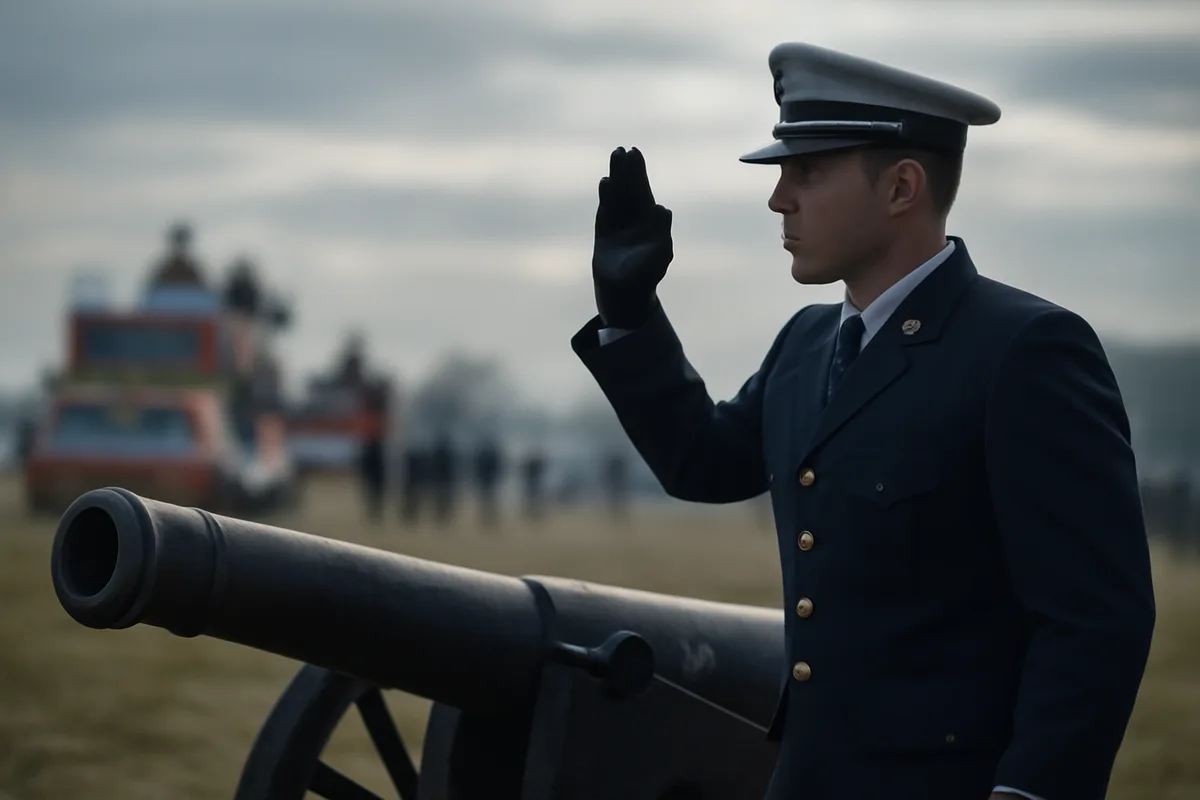
Many Frontier Days customs have military roots. The festival’s opening cannon shot originally came from Fort D.A. Russell; a howitzer from the base now carries on that role. Esses has fired both pistols and the historic cannon in ceremonial capacities and has ridden in multiple parades—a favorite memory he expects to keep after he leaves the area.
There are lighter rituals, too. Volunteers selected as part of the Heels committee—seasoned members chosen by peers—are celebrated with badges and, traditionally, a dunking. As outgoing military chairman ahead of an upcoming move, Esses took his final parade lap and accepted his own dunk tank send-off.
Behind the scenes: more than showmanship
While Esses doesn’t book acts or decide which headliners perform, his role can influence whether a military flyover or ceremonial unit appears. He can request support from Air Force leadership but cannot order it; this year, he was able to secure a flyover—an example of his permissive but pivotal position.
His work requires balancing public expectations, base policies and the practical limits of personnel availability. That balancing act is often invisible to festivalgoers who simply appreciate the spectacle.
Community ties and personal perspective
Esses and his wife, Shelby, who frequently attends events with him, describe their first years at F.E. Warren as eye-opening. Coming from outside the missile community, they found the base’s culture tight-knit and the surrounding area rooted in Western traditions. Shelby says the real reward has been getting to know neighbors and volunteers—recognizing familiar faces in crowds and witnessing the cooperative energy of the festival.
For a military family accustomed to moving, the couple emphasizes how local engagement turned strangers into a network of support: shared work, shared celebrations and, often, shared tears and laughter.
Why it matters now
Events like Cheyenne Frontier Days are not only entertainment; they are a key point of contact between the public and the armed forces. By smoothing the logistics that bring uniformed units and historical artifacts into the public eye, Esses’s role helps preserve traditions and strengthens civilian-military relations at a time when visible, positive interactions between communities and service members carry practical and symbolic weight.
For visitors, that translates into richer ceremonies, more authentic military participation and occasional spectacles—a howitzer blast, a flyover, horses in the parade—that tie the region’s past to its present.