
Show summary Hide summary
A growing number of cosmetic patients are turning to fat taken from donated human bodies to restore volume lost after rapid weight loss — a practice critics call “zombie filler.” The trend surfaces at the intersection of widespread use of GLP-1 weight‑loss drugs and a shortage of patients’ own fat, raising fresh questions about safety, ethics and regulation.
What is being offered and why it’s gaining traction
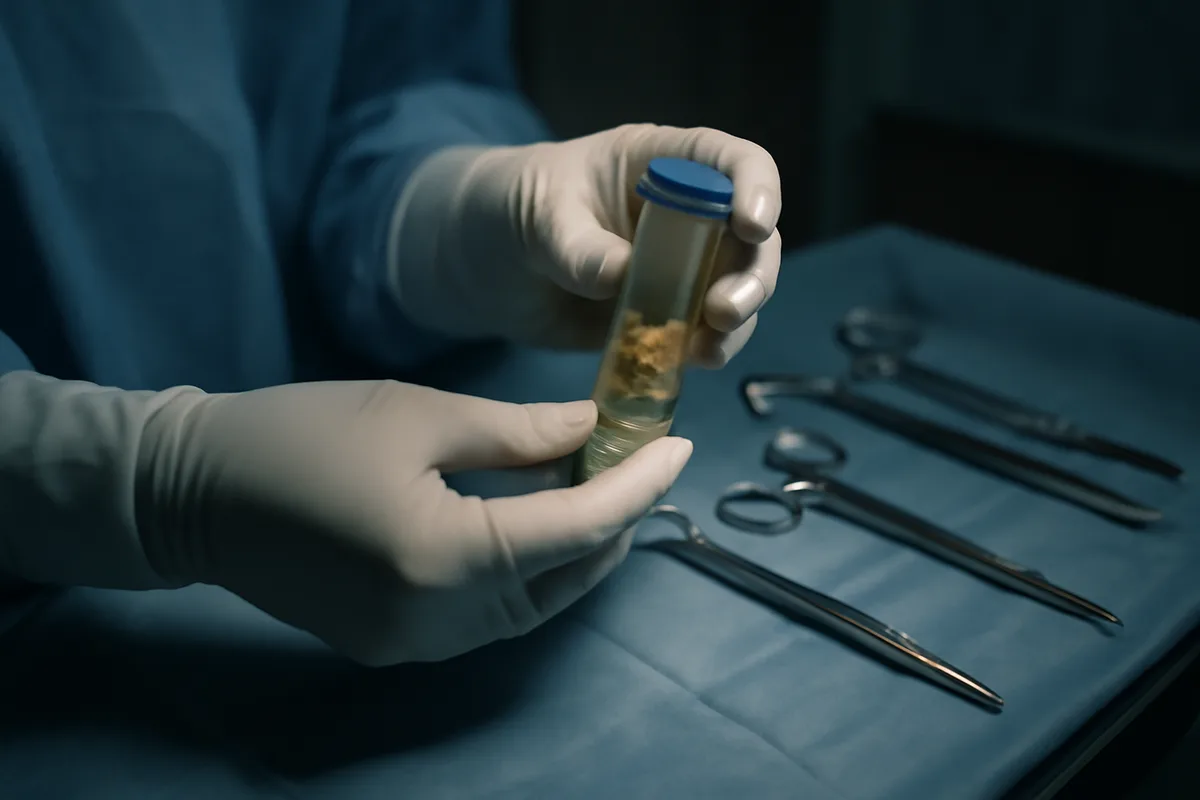
Clinics offering this procedure use processed fat harvested from cadaveric donors, which is then injected into another person to add volume to the face, breasts or buttocks. Proponents present it as a more “natural” alternative to synthetic fillers and say results can appear quickly.
Boxing champions ditch long runs for high-intensity training: new era in fight prep
Czech nationals among victims of Pinedale-area crash: two confirmed dead
Several plastic surgeons note that the idea is not entirely new — it has existed in niche circles for years — but wider availability and lower costs have pushed it into broader use. At the same time, the explosion of GLP-1 medications such as Ozempic and Wegovy has left many patients with very little body fat to donate for conventional fat-transfer procedures.
Who seeks cadaver-derived fat?
Patients who have lost substantial weight or who naturally carry minimal fat are the primary candidates. For some, cadaver-derived tissue offers a way to pursue procedures that would otherwise be impossible because they lack enough autologous (self) fat.
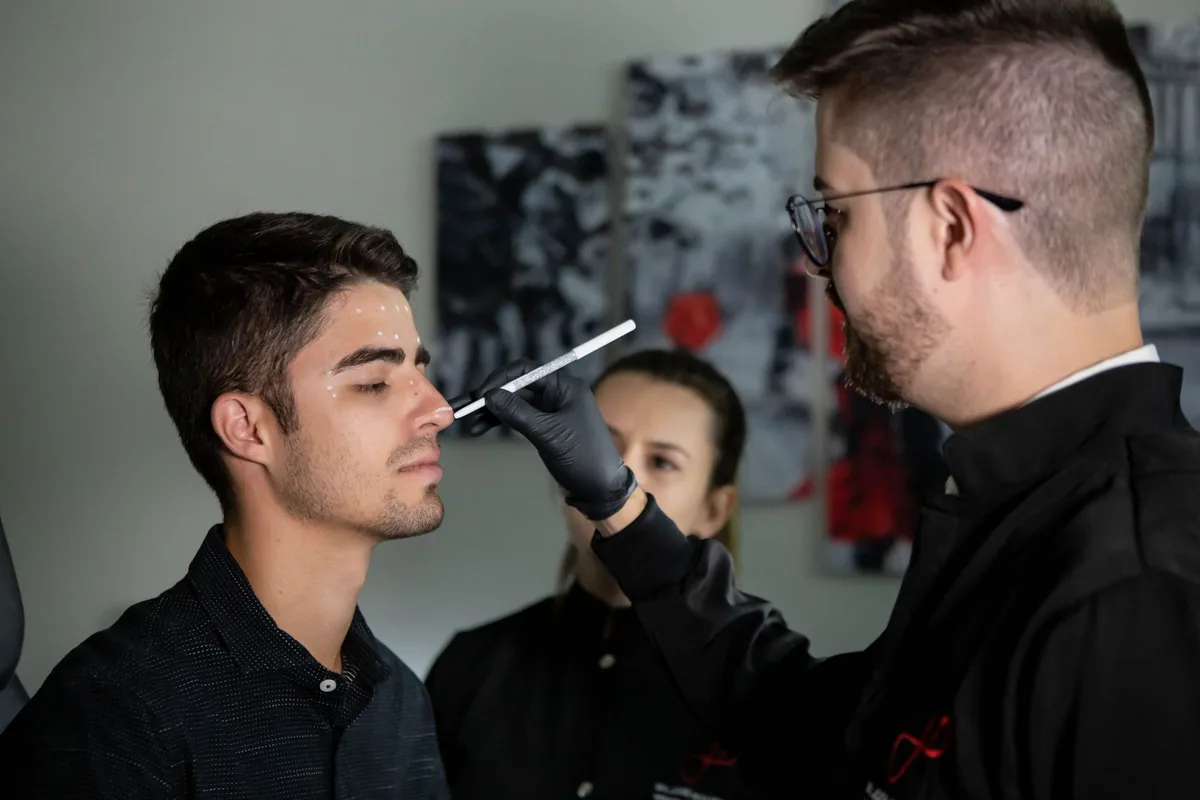
Surgeons say the typical candidate today is someone with near‑zero donor fat following rapid weight loss. In this context, cadaver fat becomes an option to restore facial fullness or augment other areas.
What clinicians and critics are saying
Supporters highlight immediate volume restoration and a perceived preference among some patients for human tissue over synthetic products. But medical professionals also express caution.
Concerns include the absence of large, long‑term safety studies, potential immune responses, and the need for rigorous donor‑screening and processing standards. Some surgeons stress that while isolated clinics offer these services, mainstream adoption remains limited pending clearer evidence and regulation.
| Aspect | What patients hope to gain | Key concerns |
|---|---|---|
| Volume restoration | Quick replacement of lost facial or body fat | Longevity of grafted tissue; variable absorption rates |
| Natural feel | Perception of human tissue as more natural than synthetic fillers | Risk of immune or inflammatory reactions; limited data |
| Access | Option for patients without enough own fat | Ethical sourcing and donor consent standards |
Regulatory and ethical questions
Because this practice involves human tissue, it touches on several regulatory domains — tissue banking, surgical standards and consent. Experts say clearer guidelines are needed to ensure donor screening, processing safety and transparent patient counseling.

Until robust oversight is in place, many clinicians urge caution: patients should be informed about the unknowns and seek procedures from board‑certified surgeons working with accredited tissue providers.
Practical takeaways for readers
- Understand alternatives: Traditional autologous fat transfer, synthetic fillers and implants each carry different risks and benefits.
- Ask about sourcing: If offered cadaver‑derived tissue, request documentation on donor screening and processing protocols.
- Demand evidence: Seek clinics that acknowledge the limited long‑term data and provide thorough preoperative counseling.
- Consider specialists: Prefer board‑certified plastic surgeons and accredited facilities over unregulated providers.
The procedure’s rise reflects broader changes in aesthetic medicine: new drugs reshape patient bodies, which in turn alters surgical options. As demand grows, so too does the need for transparent science and clear regulation to define what is safe, ethical and acceptable in cosmetic care.