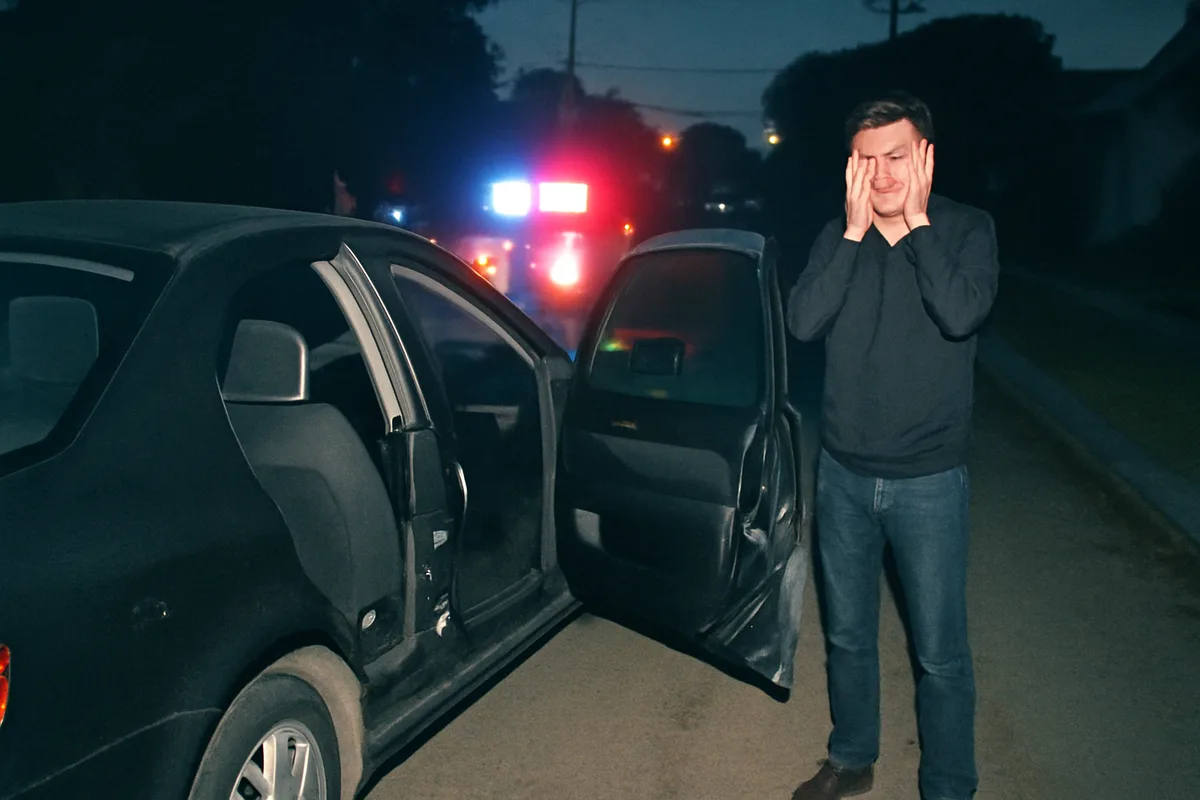
A man seeking revenge after his cousin was killed fired at a vehicle he believed carried the suspects, but hit a different car and killed an uninvolved driver, local authorities said. The shooting — described by police as a case of mistaken identity — has renewed concerns about vigilante retaliation and the risks of taking justice into one’s own hands.
What happened
Local police say the shooter followed a car he thought was linked to his cousin’s death and opened fire while both vehicles were moving. The driver who was struck was not connected to the earlier killing and died at the scene. Officers arrested a suspect at or shortly after the scene; investigators continue to piece together motive and sequence.
What we know so far
Boxing champions ditch long runs for high-intensity training: new era in fight prep
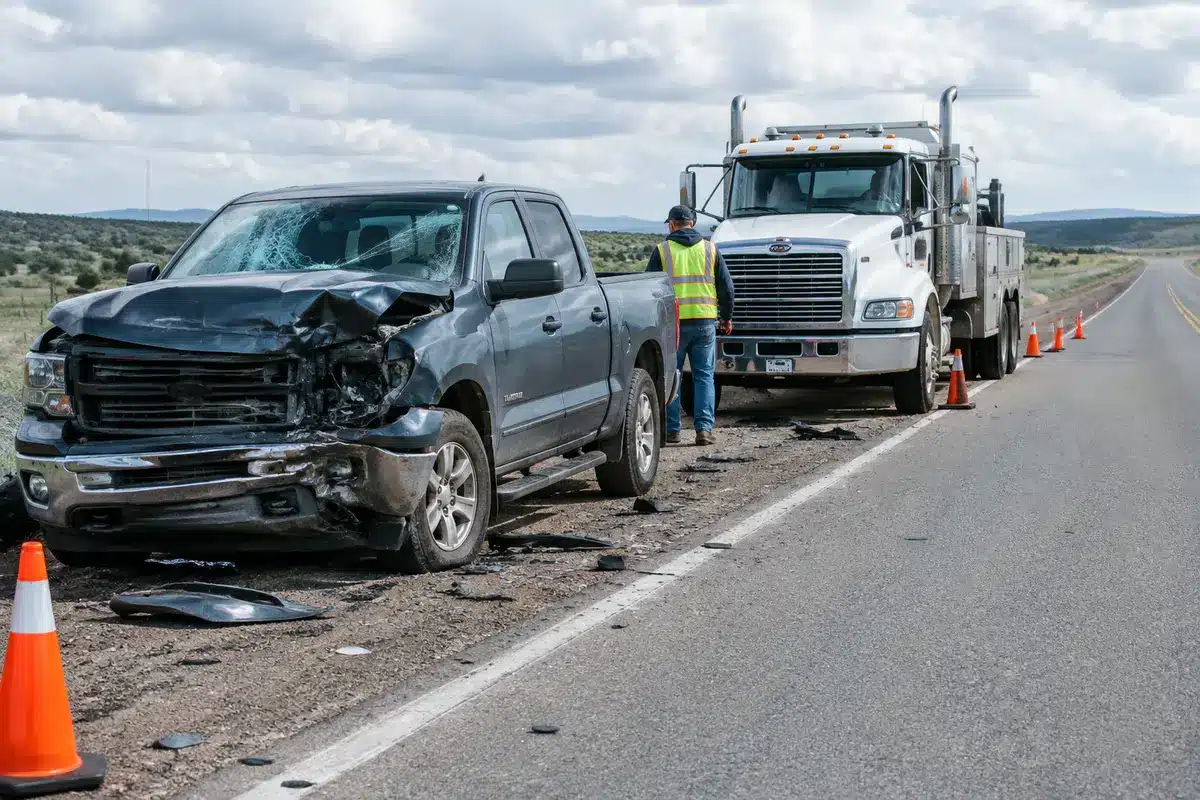
Czech nationals among victims of Pinedale-area crash: two confirmed dead
- The incident occurred this week, according to law enforcement statements.
- The victim was in a private vehicle and had no known ties to the prior homicide investigators were probing.
- Police detained a suspect believed to have been targeting the wrong car; criminal charges are under review.
- Detectives are examining video, witness accounts, and ballistic evidence to confirm the timeline.
Why this matters now
This event underscores a growing public-safety risk: when grief or anger leads to attempts at private retribution, bystanders become vulnerable. Mistaken identity in violent reprisals often produces tragic collateral victims and complicates prosecutions, while deepening community distrust of both criminal networks and law enforcement responses.Legal and social consequences
Authorities note that retaliatory shootings can carry severe criminal penalties beyond weapons charges, including homicide or manslaughter counts depending on intent and state law. Civil lawsuits against attackers — and in some cases against others who aided them — are also possible.Police, prosecutors and community leaders face several immediate tasks:
- Secure the scene and preserve evidence for a clear chain of custody.
- Determine whether the shooting was premeditated or a spontaneous act of revenge.
- Offer support to the bereaved family and to witnesses traumatized by the violence.
- Reiterate to the public the importance of handing suspicions to law enforcement rather than pursuing vigilante action.
Timeline (as reported by authorities)
Stage Reported detail Prior homicide Victim’s cousin killed days earlier; investigation ongoing Shooting Shooter targeted a vehicle believed to be linked to the prior killing; wrong car hit Aftermath Driver of the struck vehicle pronounced dead; suspect detained Investigation Ballistics, video and witness interviews underway Broader context
Experts and public-safety officials warn that reprisals escalate violence in communities already coping with homicide and gang activity. In cases like this, the consequences extend beyond criminal court: families of victims and of suspects endure longer trauma, and community cooperation with police can erode if people fear both criminal actors and unregulated retaliation.What to watch next
- Whether prosecutors file homicide or related charges and the specific counts.
- Release of surveillance video or body-camera footage that clarifies events.
- Statements from police about how the mistaken identity occurred and whether others were involved.
- Any civil actions initiated by the victim’s family.
This incident is a stark reminder of the human cost when retaliation replaces lawful process. Authorities ask anyone with information to contact investigators to help ensure accountability and prevent further loss of life.