Show summary Hide summary
A Salt Lake City dealer is facing felony charges after state investigators say he tried to turn vehicles sold strictly for parts into marketable cars by obtaining new titles. The case—linked to vehicles damaged in Cheyenne’s August 1, 2025, hailstorm—raises immediate questions for buyers who purchase auctioned salvage and for how states detect title fraud.
Allegations and the charges
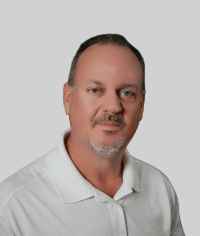
Wyoming prosecutors have charged Scott Pryor, owner of The Good Car Dealer, with 15 counts of filing false statements to obtain vehicle titles. Each felony carries a maximum sentence of two years. Pryor has posted a $5,000 cash bond and is scheduled for a preliminary hearing on Aug. 3; he remains presumed innocent pending trial.
Authorities say the claims stem from a group of cars that insurers declared a total loss after the 2025 hailstorm in Cheyenne. Those vehicles were sold at auction on the condition they be used only for parts.
Boxing champions ditch long runs for high-intensity training: new era in fight prep
Czech nationals among victims of Pinedale-area crash: two confirmed dead
How the scheme allegedly worked
Investigators noticed an unusual pattern in title applications submitted to the Laramie County Clerk’s Office earlier this year: multiple duplicate-title requests all requested to have documents mailed to the same Utah dealership.
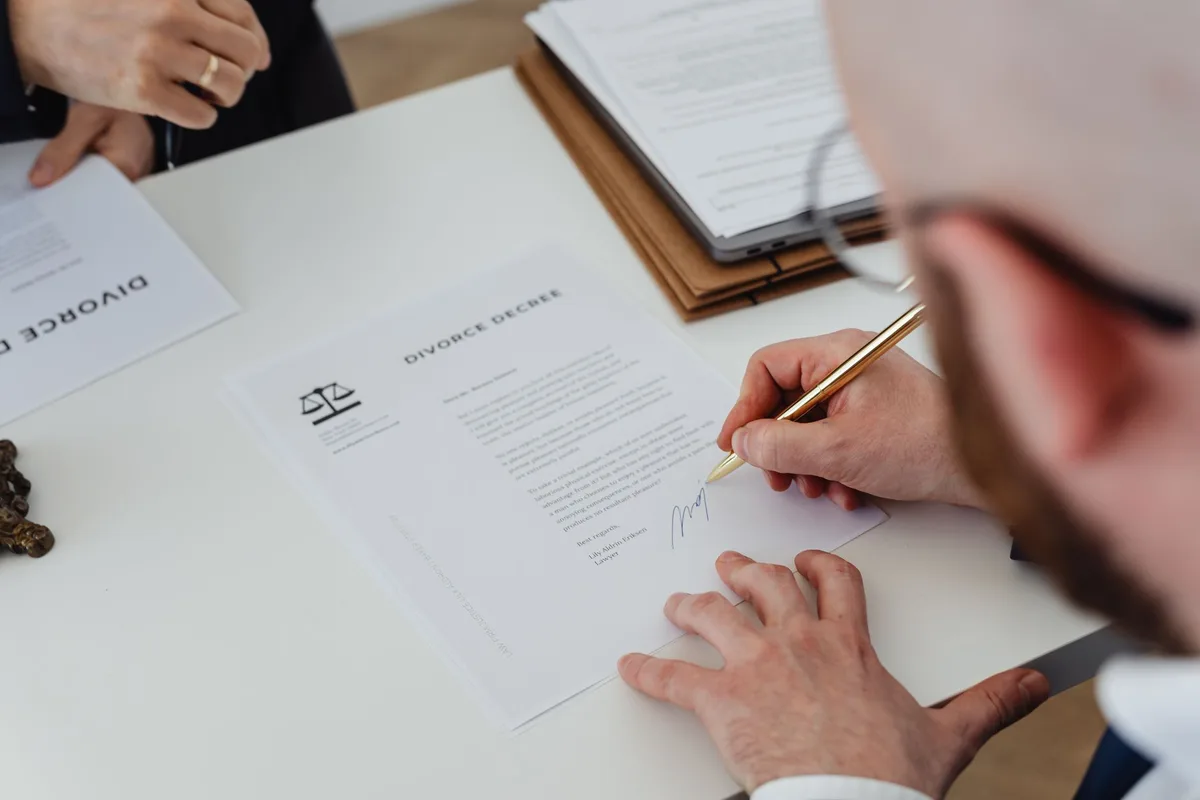
By the time staff flagged the matter, ten of the applications had already been approved. A deputy clerk’s review of one file uncovered mismatched handwriting and other anomalies that prompted a formal inquiry.
State officials say the signatures on the original owners’ titles did not match the signatures on the submitted duplicate-title requests. The paperwork also included notary stamps that investigators found questionable.
Evidence gathered
Investigators compared vehicle identification numbers and confirmed the cars had been sold as **parts-only**; such vehicles are generally not eligible for re-titling or registration. WYDOT officials concluded the duplicate-title requests sought to reintroduce those salvage vehicles into the retail market with apparently valid titles.
During an interview at his dealership, Pryor reportedly acknowledged working with an out-of-state title processing company and said he paid roughly $150 per application. He declined to provide access to his Facebook messages or proof of payments investigators asked to see.
- Number of charges: 15 counts of false statements to obtain titles
- Previously processed requests: 10 approved before detection; 5 later blocked
- Alleged payment method: Third-party title processor based in Tennessee, contacted via Facebook
- Purchases: Investigators say Pryor bought nearly 300 vehicles from auctions across the U.S., spending close to $2 million
Scale and consequences
Records from the auction company used by Pryor show purchases at multiple locations nationwide. Investigators say while the final five applications were denied and those cars could not be legally titled, the earlier approvals allowed Pryor to resell at least ten vehicles in Utah with clean-looking titles.
That matters because buyers who purchased those cars may now face ownership disputes, potential title branding issues, or difficulty transferring registration if the state reclaims titles or brings further action.
State officials also documented forensic concerns: the applications appeared to be completed by a single hand, and notary impressions did not match expected standards, which factored into the fraud allegations.
What’s next
Pryor will appear in Laramie County Circuit Court for a preliminary hearing on Aug. 3. Prosecutors will proceed with the 15 felony counts unless there are changes before the hearing.
Why this matters now: Title fraud involving salvage and parts-only vehicles can undermine consumer protection and confidence in used-car markets. The case highlights the role of local clerks and state investigators in spotting irregular filing patterns and the limits of cross-jurisdictional enforcement when paperwork travels across state lines.
Wyoming and Utah officials declined to comment beyond court filings and the public affidavit. The investigation remains active, and the charges against Pryor are allegations that must be proved in court.