Show summary Hide summary
The City of Cheyenne is preparing a package of changes to its development code that would broaden city residents’ ability to farm, tighten rules around large-scale slaughter operations and clarify what happens to agricultural uses when rural parcels are annexed. The update comes as annexations accelerate this year and officials aim to reconcile local rules with evolving land uses and state law.
The proposed ordinances, drafted by Cheyenne Planning and Development staff, were reviewed at a recent council work session. Staff will revise the drafts based on council feedback and present them to the Planning Commission within a few weeks before they return to the full council for final action this fall.
Boxing champions ditch long runs for high-intensity training: new era in fight prep
Czech nationals among victims of Pinedale-area crash: two confirmed dead
What the code rewrite would change
At the heart of the proposals is a clearer definition of what counts as general agriculture and the creation of separate categories for smaller-scale, urban-friendly activities. The intent is to allow newcomers whose land is annexed to continue longstanding farming practices, while preventing large rural-style operations from moving into neighborhoods where they don’t belong.
Among the key elements under consideration:
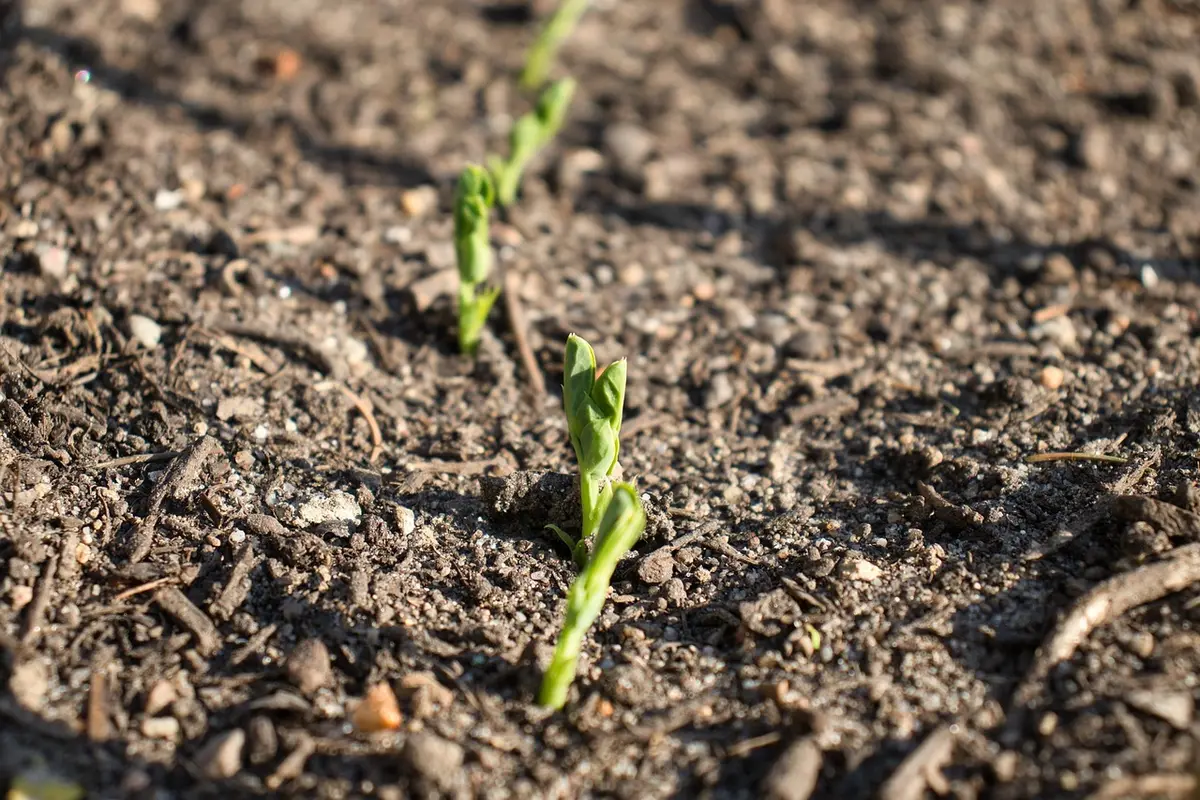
- New use categories. “Gardens and homemade foods” would become an explicit use allowed broadly across zones, protecting backyard growers and small food processors from unnecessary permitting. By contrast, traditional ranching and large-scale field operations would remain restricted to a limited set of zones.
- Special review for large feeding or slaughter operations. Facilities defined as a concentrated feeding operation — where animals are confined and maintained for extended periods and harvesting is a principal activity — would require a special review and direct consideration by the City Council.
- Clearer lines between slaughtering and processing. Staff were asked to better distinguish commercial-scale slaughterhouses, residential processing of legally harvested game, and occasional on-site residential slaughtering so rules match practical and cultural uses.
- Short-term agritourism and market allowances. Seasonal activities such as pumpkin patches, petting zoos and small farmers markets would be permitted under defined conditions and size limits to simplify temporary retail and event permitting.
Council members raised practical concerns during the session. One councilor noted past problems when residential slaughtering led to plumbing and drainage issues in dense housing, prompting questions about coordination with the city’s utilities. Another asked staff to justify the proposed 45-day threshold used to define a commercial feeding operation.
Other technical updates
Beyond use definitions, staff proposed several code tweaks aimed at making modest agricultural operations more feasible inside city limits.
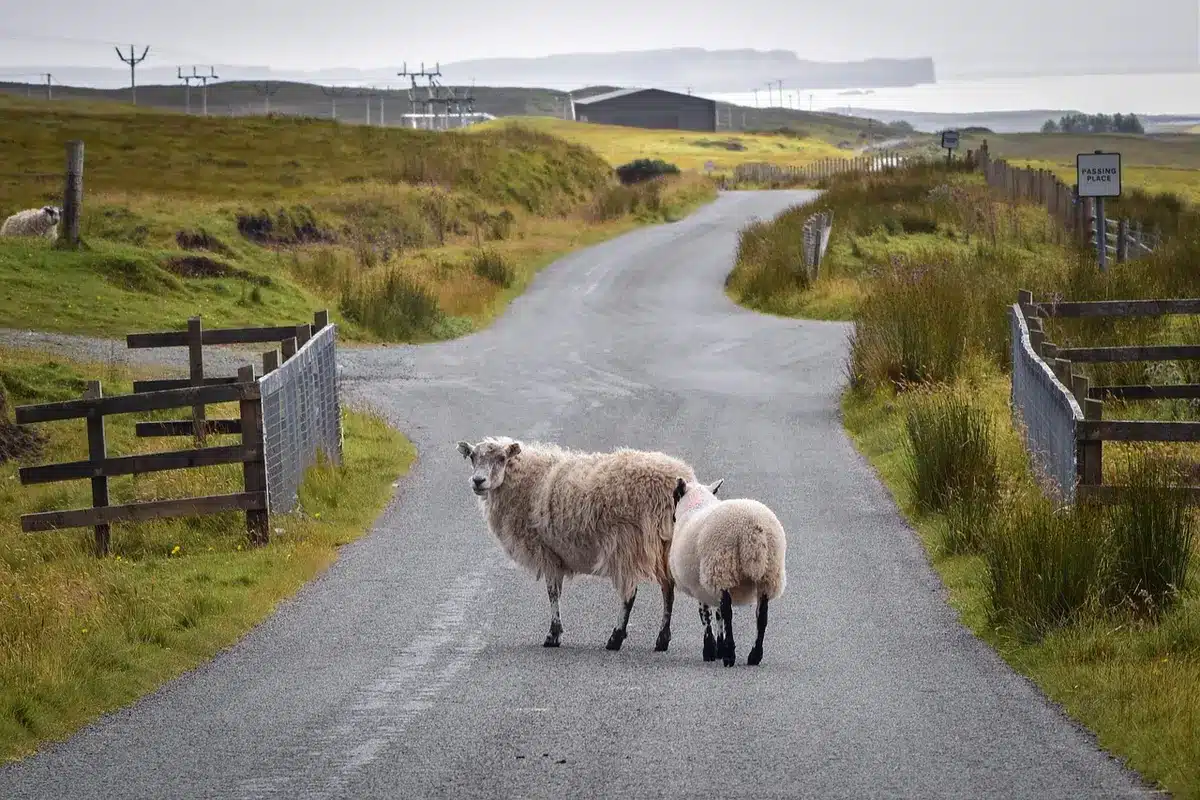
These include allowing gravel or other non-paved surfaces for some parking areas where full paving is unnecessary, and expanding circumstances in which electric fencing can be used — subject to signage and placement requirements — to support livestock management and weed-control grazing programs.
Staff emphasized that the changes aim to reduce infrastructure burdens where practical; less paving, for example, can lower stormwater impacts.
How selected uses would be treated under the proposal
The table below summarizes how a few representative uses would be permitted across common zoning categories under the draft code. “P” means permitted, “C” conditional (requiring Board of Adjustment review) and “S” indicates a special use that would need City Council consideration.
| Use | AG (Agricultural) | RR / Rural Res. | RS / Single-Family | RM / Multi-Family | B / Commercial | I / Industrial |
|---|---|---|---|---|---|---|
| General agriculture (ranching, large-scale farming) | P | P | C | |||
| Gardens and homemade foods (backyard growing, small-scale processing) | P | P | P | P | P | C |
| Concentrated feeding operation / Slaughterhouse | S | C |
The table is a condensed reflection of staff direction at the work session; detailed zoning maps and use standards will appear in the formal ordinance text brought before the Planning Commission.
Next steps and public input
City planning staff will incorporate council feedback and return the revised ordinances to the Planning Commission in roughly three weeks. If the commission forwards the package, the City Council could take final action as soon as October, though timing could slip into early November to align with adjacent county annexation activity.
Officials said they are collecting public comments while revisions are under way; residents can submit feedback through the city’s public engagement portal. Staff also provided a summary document outlining the proposed changes for community review.
For Cheyenne homeowners, small farmers and local businesses, the changes would clarify what activities are allowed where — and which projects will require a fuller review by city officials — at a moment when more rural land is being brought inside city boundaries.