Show summary Hide summary
Conservative legal groups and a company tied to Elon Musk have launched a coordinated legal challenge that could strip private citizens, local governments and advocacy groups of a long-used tool to enforce federal laws. The timing — with multiple related suits moving through federal courts and a conservative Supreme Court in place — makes the outcome immediately consequential for environmental enforcement, civil-rights actions and the balance of enforcement authority in Washington.
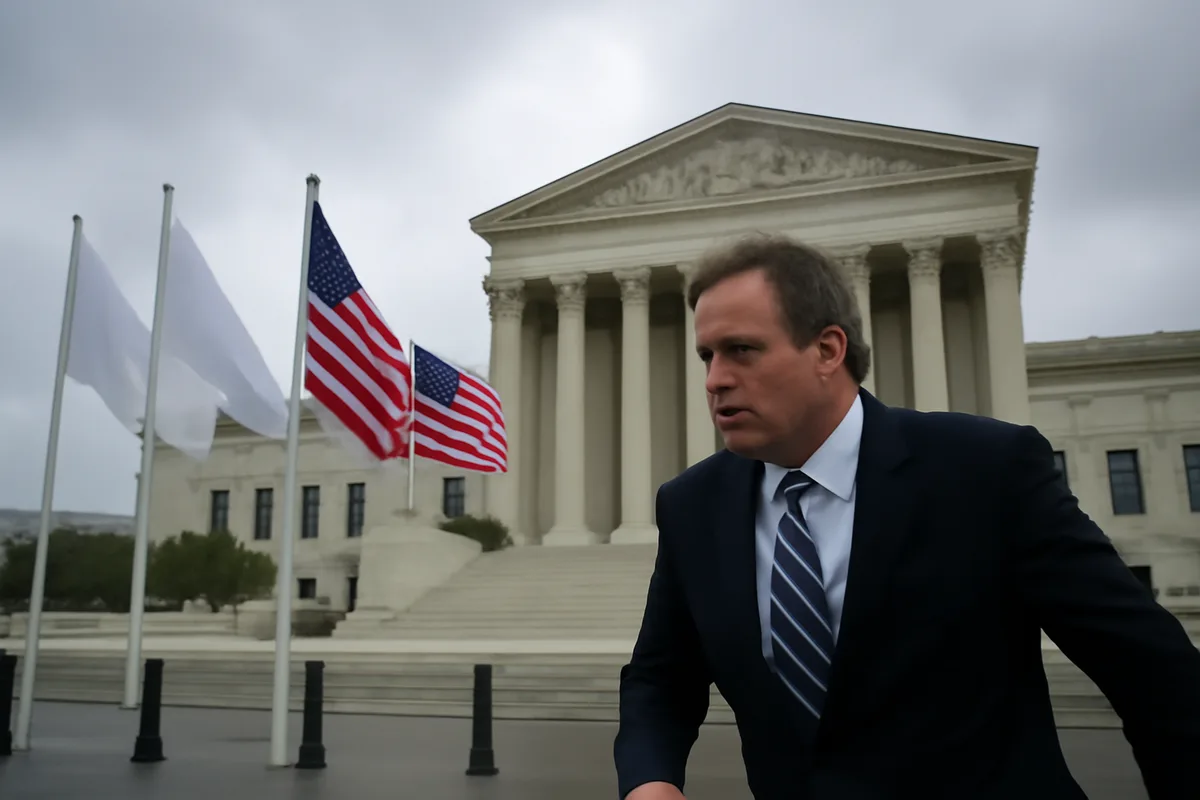
The central legal claim is straightforward: the Constitution concentrates enforcement authority in the president and federal agencies, and Congress exceeded its authority by allowing private parties to bring so-called citizen suits under statutes such as the Clean Water Act. Backers of the challenge, including the Pacific Legal Foundation and other conservative lawyers, argue that private enforcement improperly hands executive functions to unelected actors.
Why the issue has new traction now
Boxing champions ditch long runs for high-intensity training: new era in fight prep
Czech nationals among victims of Pinedale-area crash: two confirmed dead
Legal observers say the moment feels different because of recent Supreme Court shifts and a string of federal filings testing citizen-suit provisions. Four federal cases are currently advancing — including one filed just last week — and litigation strategists hope early wins in lower courts will produce conflicting appeals-court rulings that prompt the high court to take the question for a nationwide decision.
That strategy traces back to a turn in Supreme Court precedent in 2000 that left open constitutional doubts about private enforcement of federal statutes. Harvard environmental law scholar Richard Lazarus says lawyers on the right have long anticipated a renewed push to resolve those doubts — and that the present court offers a clearer path for their claims to succeed.
How citizen suits work — and what would change
Under current law, private parties who believe a federal statute is being violated must provide notice to the relevant government agency before suing. The government can then step in and pursue enforcement itself; if it declines or fails to act, private plaintiffs can continue their case and seek penalties that are paid to the U.S. Treasury. That mechanism has been used for decades to secure compliance and levy fines against polluters and others who violate environmental or campaign-finance laws.

Opponents of citizen suits seek to narrow or eliminate that private backstop. Their core contention is that enforcement and the collection of civil penalties should rest primarily with the executive branch, which they say is accountable to voters — not with private litigants.
Notable cases driving the fight
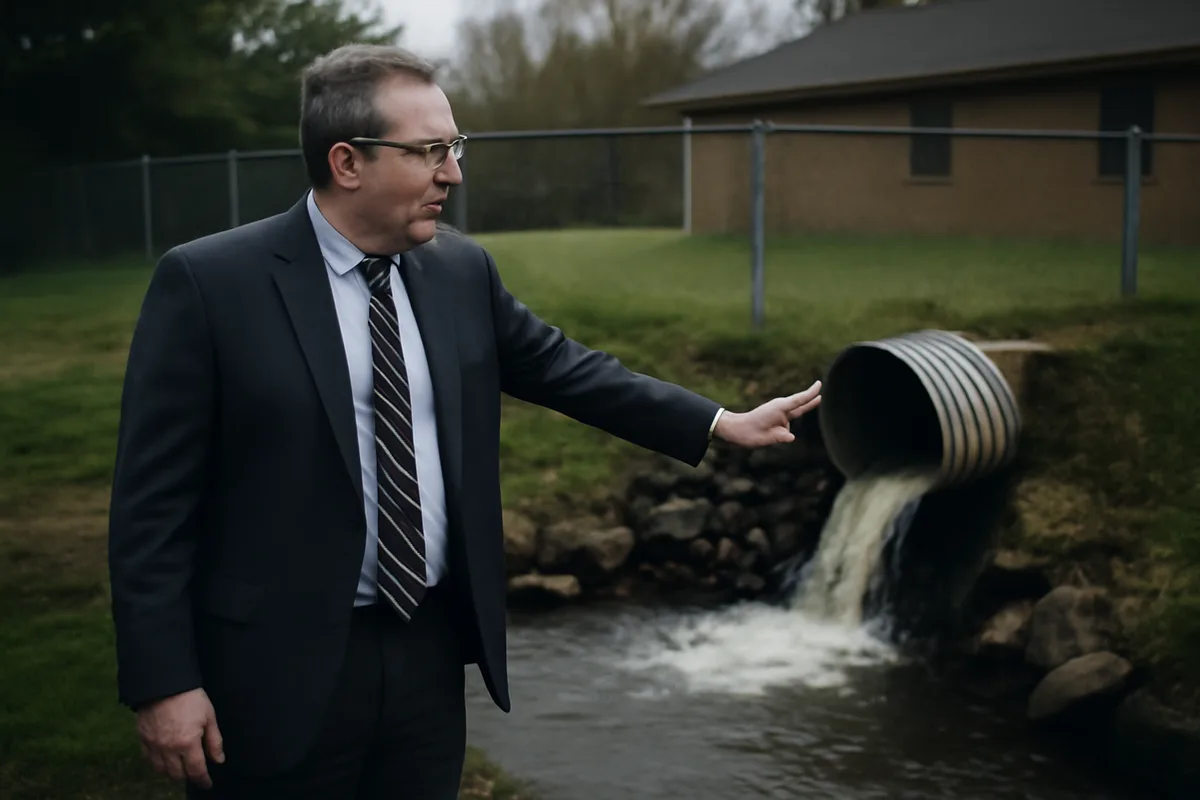
One high-profile entry point for the challenge is a routine Clean Water Act enforcement action in Tennessee. The Pacific Legal Foundation signed on for Springfield, a small municipality facing claims that sewage discharges from a treatment plant violated federal law. Pacific Legal portrays recurring suits by Tennessee Riverkeeper and similar groups as burdensome, arguing they force local governments and businesses to expend resources defending repeated litigation.
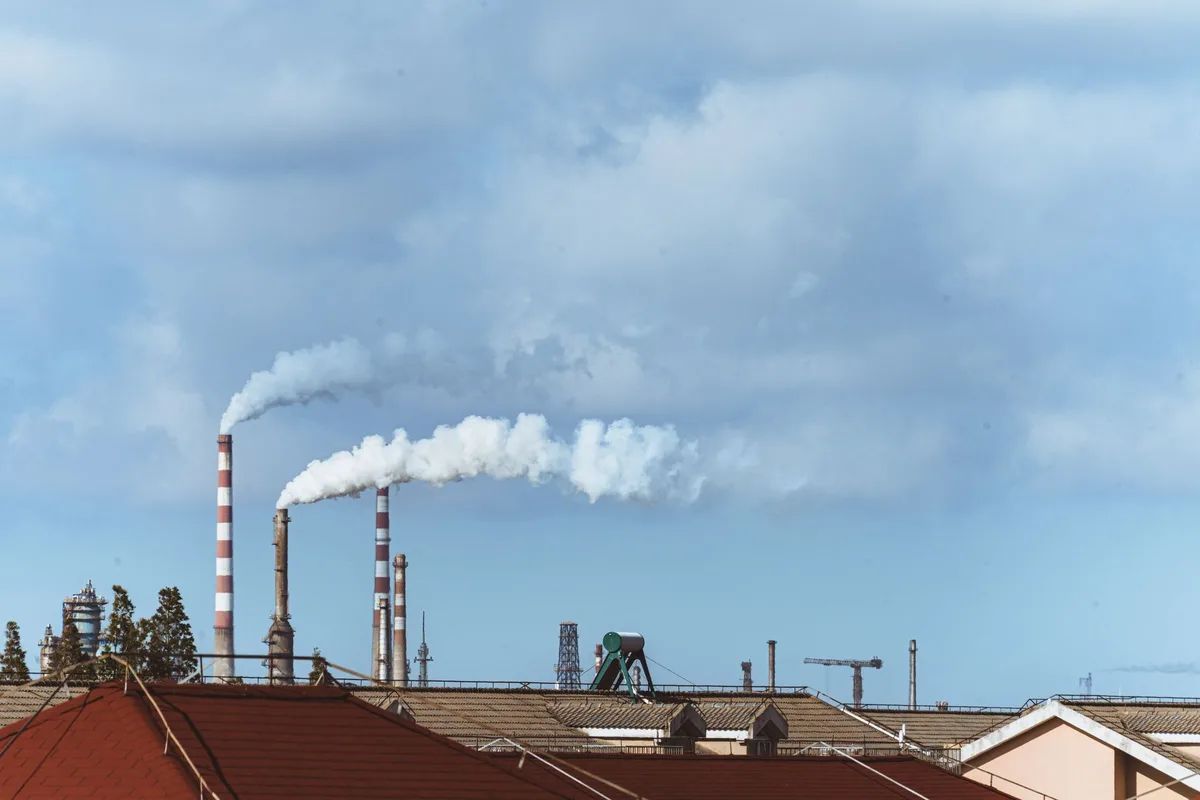
Another prominent matter involves a civil-rights group that sued a private firm for operating gas-fired turbines near a Memphis community without permits, alleging the emissions posed a health threat to nearby residents. The company — which runs an AI-focused data center — asked courts to dismiss the suit partly on the grounds that the executive branch should control whether such enforcement proceeds. The Department of Justice intervened in support of the firm, citing potential national-security implications if the turbines were taken offline.
Earthjustice, representing the civil-rights group, says the administration’s posture effectively lets the executive branch veto private enforcement and weakens enforcement incentives. Advocates warn that when governments are unwilling or unable to act, citizen suits provide essential oversight and deterrence.
What’s at stake for communities and regulators
Congress included private enforcement provisions in environmental and other statutes to address gaps in government capacity and the political sensitivity of certain cases — for example when a government entity is itself the alleged wrongdoer. Environmental attorneys point to past outcomes where citizen suits produced significant compliance gains, from forcing industrial operators to pay penalties to prompting removal of lead service lines after crises.
- Enforcement gaps: Limiting citizen suits could leave fewer tools to force polluters to comply, especially where federal or state agencies lack resources.
- Local impacts: Communities with limited political influence — often lower-income or majority-minority neighborhoods — could lose a means of redress.
- Shifts in power: A ruling narrowing citizen suits would strengthen presidential and agency control over civil enforcement decisions.
- Legal uncertainty: A split among appeals courts could produce uneven enforcement nationwide until the Supreme Court resolves the question.
How scholars view the litigation’s odds
Many legal scholars remain skeptical that the challenges will prevail, pointing to longstanding statutory practice and the traditional role private litigants have played in enforcing federal laws. Others caution that the current Supreme Court has shown deference to executive authority in recent rulings, making unexpected outcomes possible.
David Adelman, a law professor at the University of Texas, says that before the current court’s conservative majority such challenges would have seemed unlikely to succeed. Now, he adds, it would be unwise to assume an automatic loss — the Court’s recent decisions have altered the legal landscape in ways that could favor claims of expansive executive power.
As these cases proceed through the lower courts, the immediate consequence is legal uncertainty for regulators, companies and communities. If appeals produce conflicting decisions, the Supreme Court may be asked to set a uniform rule — a choice that could reshape how federal laws are enforced for years to come.