
Show summary Hide summary
Authorities arrested a man this week in connection with the death of a woman after investigators say they recovered a recorded incident on his phone that shows the victim being assaulted. The development has sharpened attention on how digital files are shaping homicide inquiries and the legal hurdles that follow.
Police said the discovery came during a search tied to the woman’s unexplained death. Investigators obtained the device under a warrant and flagged the recording as a key piece of evidence that linked the suspect to the scene and the alleged abuse.
What investigators say they found
Boxing champions ditch long runs for high-intensity training: new era in fight prep
Czech nationals among victims of Pinedale-area crash: two confirmed dead
Officials described the material as a video that appears to depict the victim being harmed. They have not released the footage publicly and cautioned that the content is part of an active investigation.
- Device seized: Law enforcement reported the phone was taken during a warrant execution.
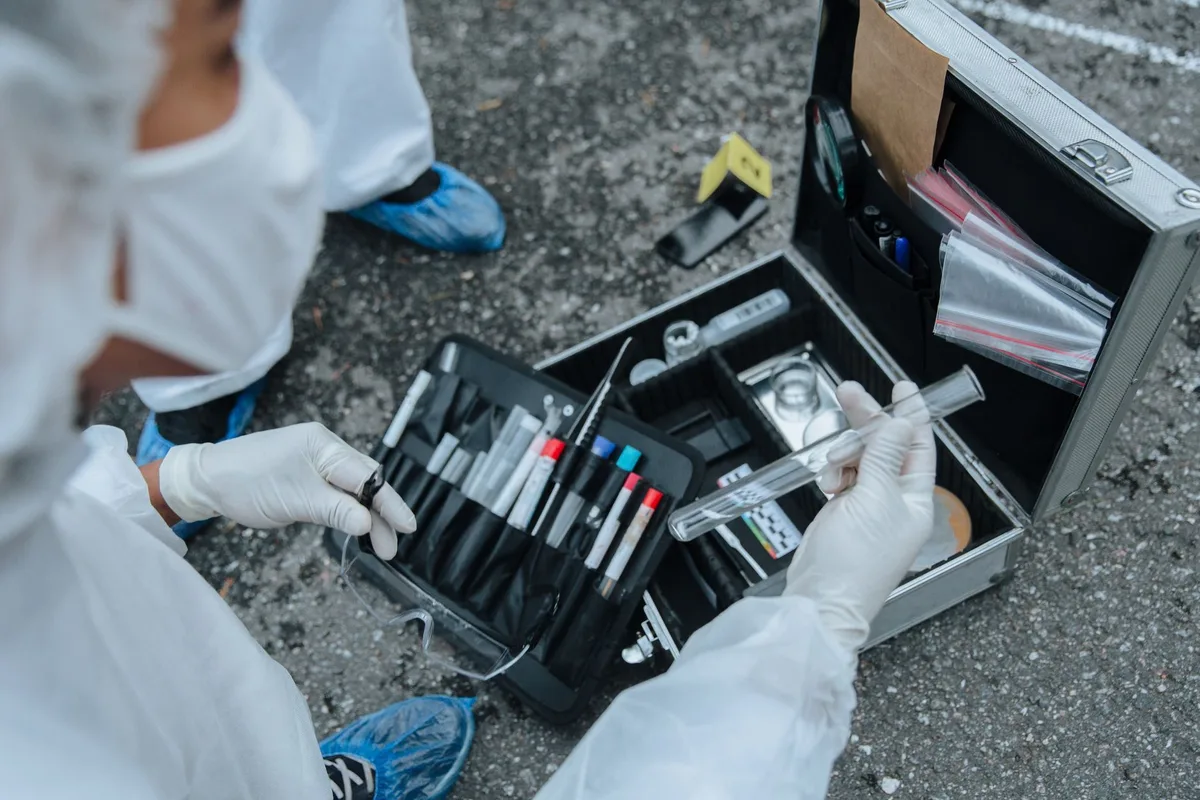
- Forensic analysis: Specialized examiners are preserving the file and documenting its chain of custody.
- Charges filed: The suspect now faces a murder charge; prosecutors say further counts could follow depending on ongoing findings.
Legal and investigative next steps
Prosecutors and police said forensic teams will authenticate the recording, check timestamps and recover metadata that could place the suspect and victim together. The process can take days or weeks, depending on the device and whether data is encrypted.
Defense attorneys commonly challenge digital evidence on grounds ranging from tampering to improper seizure. Prosecutors in this case say they obtained the phone under legal authority and are preparing their case for an upcoming arraignment.
Authorities emphasized that an arrest is not a conviction. “These are allegations and they must be proven in court,” a police statement read, while the prosecutor’s office declined to comment on evidentiary specifics pending trial preparation.
Outside the courtroom, the case underscores how modern investigations increasingly rely on electronic traces — from messages and call logs to photos and videos — to reconstruct violent incidents. Experts say that while such material can be decisive, it also raises complex questions about authentication and privacy.
Public safety and the investigation
Investigators asked anyone with information to contact their tip line and said they continue to follow additional leads. The victim’s identity has not been released pending family notification and standard procedures.
The case remains under active review by both local law enforcement and the prosecutor’s office as they prepare for prosecution and respond to defense inquiries. Court dates have not yet been publicly scheduled.