Show summary Hide summary
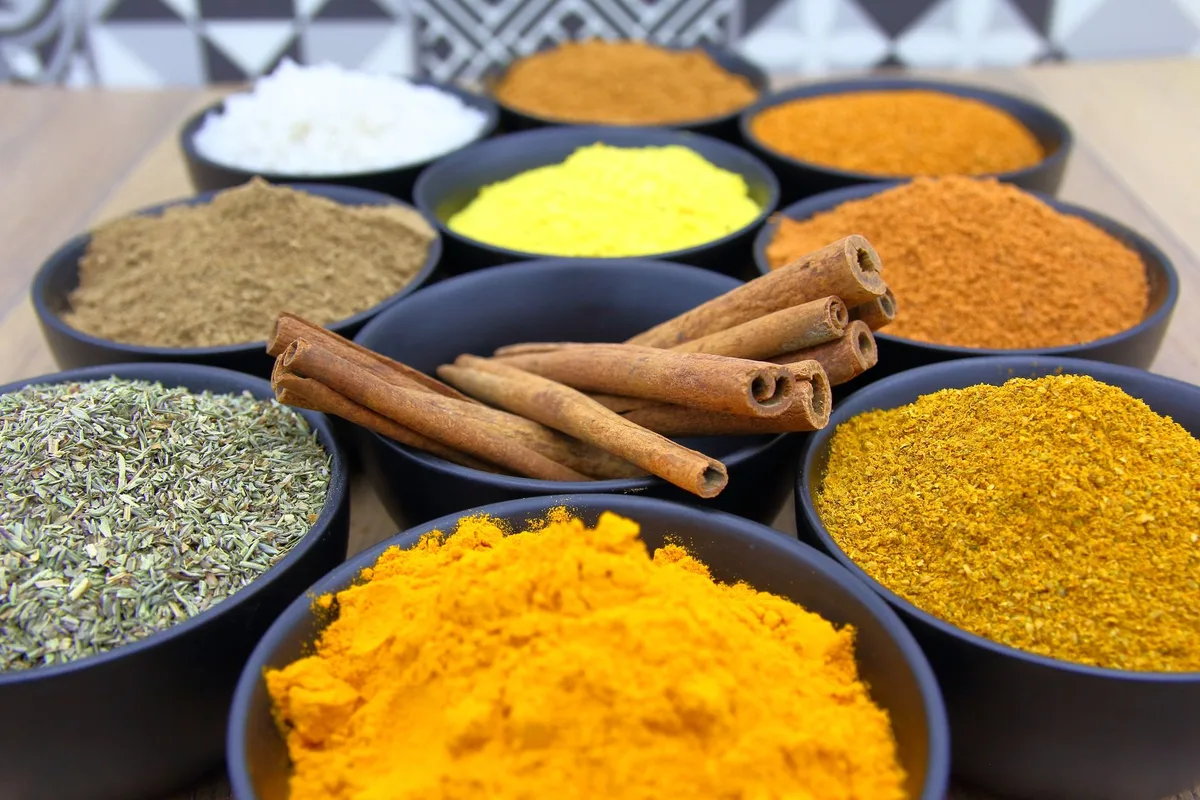
Cinnamon has long been touted as a kitchen remedy for everything from indigestion to inflammation — and in 2026 it remains a popular, low-cost option people try to help manage blood sugar. Recent interest centers on whether adding this spice to meals makes a measurable difference for people with high blood sugar or diabetes, and what risks, if any, come with routine use.
What the evidence says
Clinical studies offer mixed findings: some trials report modest reductions in fasting glucose or small improvements in how the body handles sugar after a meal, while others see no meaningful change. The variation reflects differences in study size, cinnamon type, and whether researchers used powdered spice or concentrated extracts.
Boxing champions ditch long runs for high-intensity training: new era in fight prep
Czech nationals among victims of Pinedale-area crash: two confirmed dead
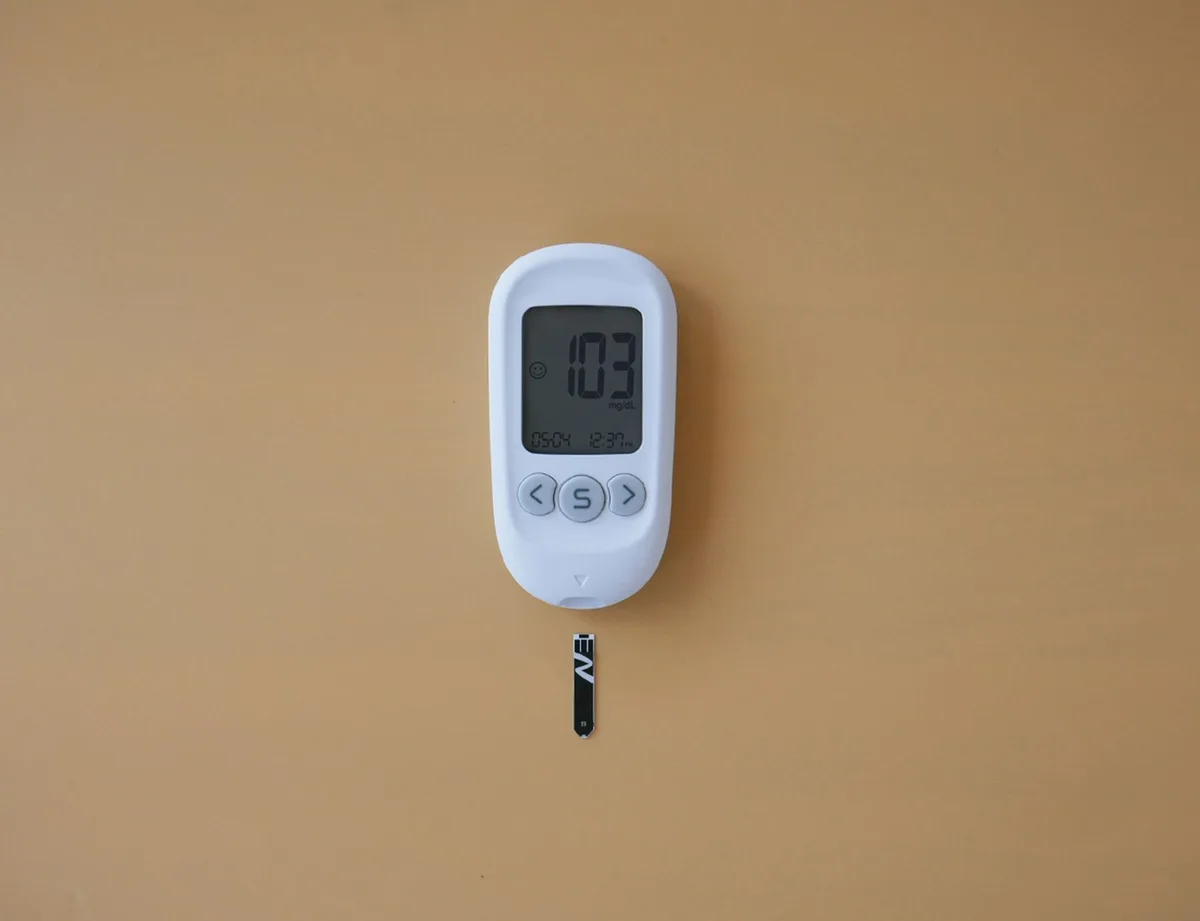
Researchers and dietitians generally treat any benefit as incremental. Cinnamon might nudify metabolic markers in a favorable direction, but it is not a substitute for standard diabetes care — including a balanced diet, regular activity, and prescribed medication.
Types of cinnamon and safety considerations
Shoppers will most often encounter two commercial varieties: Ceylon (sometimes called “true” cinnamon) and cassia. For everyday culinary use the practical differences are small, but cassia contains higher levels of a compound called coumarin, which can be harmful to the liver in large amounts.

That matters because some studies that report effects on blood sugar use doses — or concentrated supplements — well beyond what most people sprinkle on breakfast. At those higher intakes, choosing Ceylon or monitoring intake becomes more important.
How much was tested?
Many clinical trials used roughly half a teaspoon to a full teaspoon of cinnamon daily, while other research relied on standardized extracts that deliver a stronger, more concentrated dose of active compounds. The difference changes both potential benefit and risk.
In practice, most people consume far less cinnamon than the amounts tested, and experts caution against assuming the spice alone will control blood sugar levels.
Practical ways to use cinnamon — and precautions
- Pair it with fiber and protein: Add cinnamon to oatmeal, plain yogurt with berries, or whole-grain toast with nut butter to help blunt post-meal glucose spikes.
- Prefer Ceylon if using larger amounts: If you plan to take cinnamon daily in higher quantities, Ceylon limits coumarin exposure compared with cassia.
- Be careful with supplements: Concentrated cinnamon extracts are not the same as a sprinkle on food and should be discussed with a clinician before use.
- Watch for interactions: If you take glucose-lowering medication, check with your provider — adding cinnamon could increase the risk of blood sugar falling too low.
- Don’t rely on cinnamon alone: The biggest and most consistent ways to improve blood sugar are diet quality, physical activity, weight management, and adherence to prescribed treatments.
For most people, a little cinnamon added to meals is safe and can enhance flavor without adding calories or sugar. But anyone considering regular high-dose use or supplements should consult a health professional, especially those with liver disease or on multiple medications.
Bottom line: cinnamon may offer a small complementary effect on insulin sensitivity and post-meal glucose for some people, but evidence is inconsistent and benefits are modest. It’s best viewed as a flavorful adjunct to proven lifestyle measures and medical treatment, not a replacement.