Show summary Hide summary
A new assessment from the National Park Service says President Trump’s proposal for a 250-foot gilded arch near Arlington would alter long‑established vistas and the historic relationships between multiple national memorials. The finding arrives as federal review panels have already granted preliminary approvals and a lawsuit challenging the project moves forward.
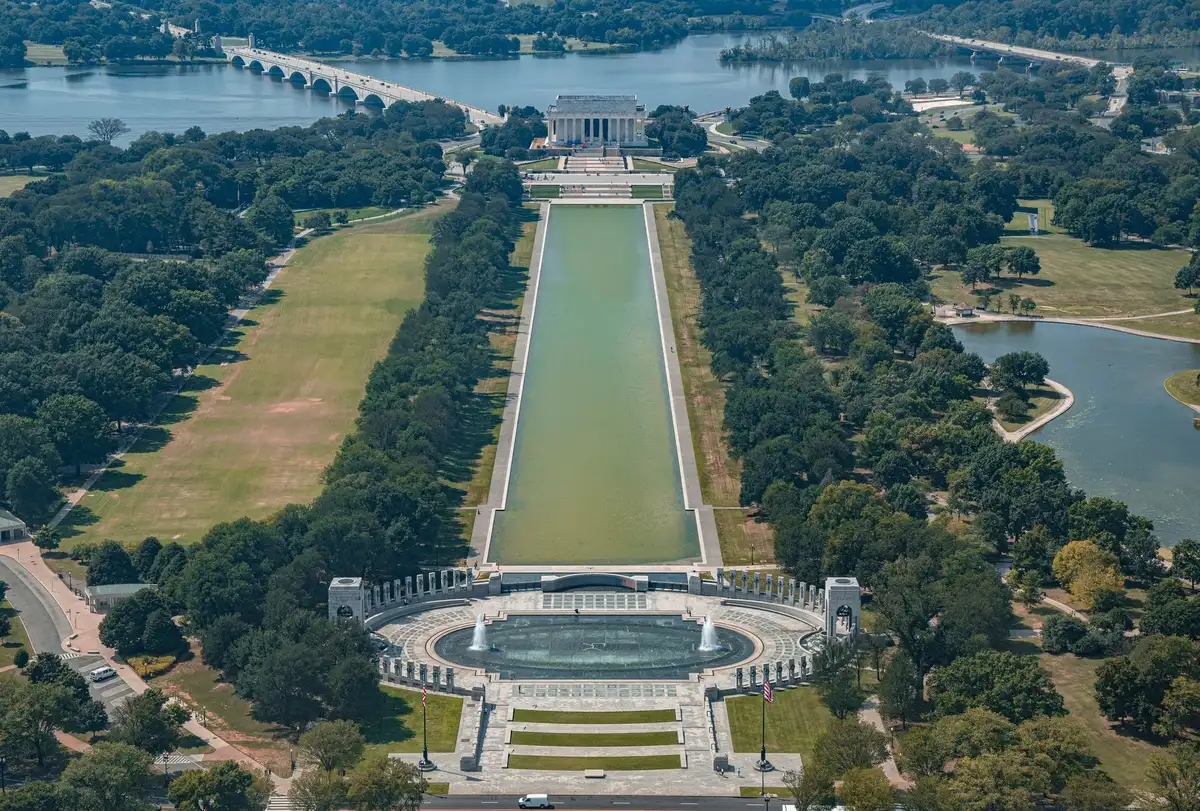
The NPS review focuses on the site inside the historic Memorial Avenue Corridor, the ceremonial stretch that links the Lincoln Memorial with Arlington National Cemetery. Planners and preservationists say the area’s design intentionally aligns monuments and landscapes so they read together; the report concludes the arch would change those visual and spatial relationships and diminish the landscape’s historic integrity.
What the Park Service identified
Among the most consequential changes noted by NPS is the interruption of a long-planned axial alignment that connects the Lincoln Memorial, Memorial Bridge and Arlington House, the antebellum home once occupied by Gen. Robert E. Lee. The agency also flagged other nationally significant properties whose setting would be directly altered.
Boxing champions ditch long runs for high-intensity training: new era in fight prep
Czech nationals among victims of Pinedale-area crash: two confirmed dead
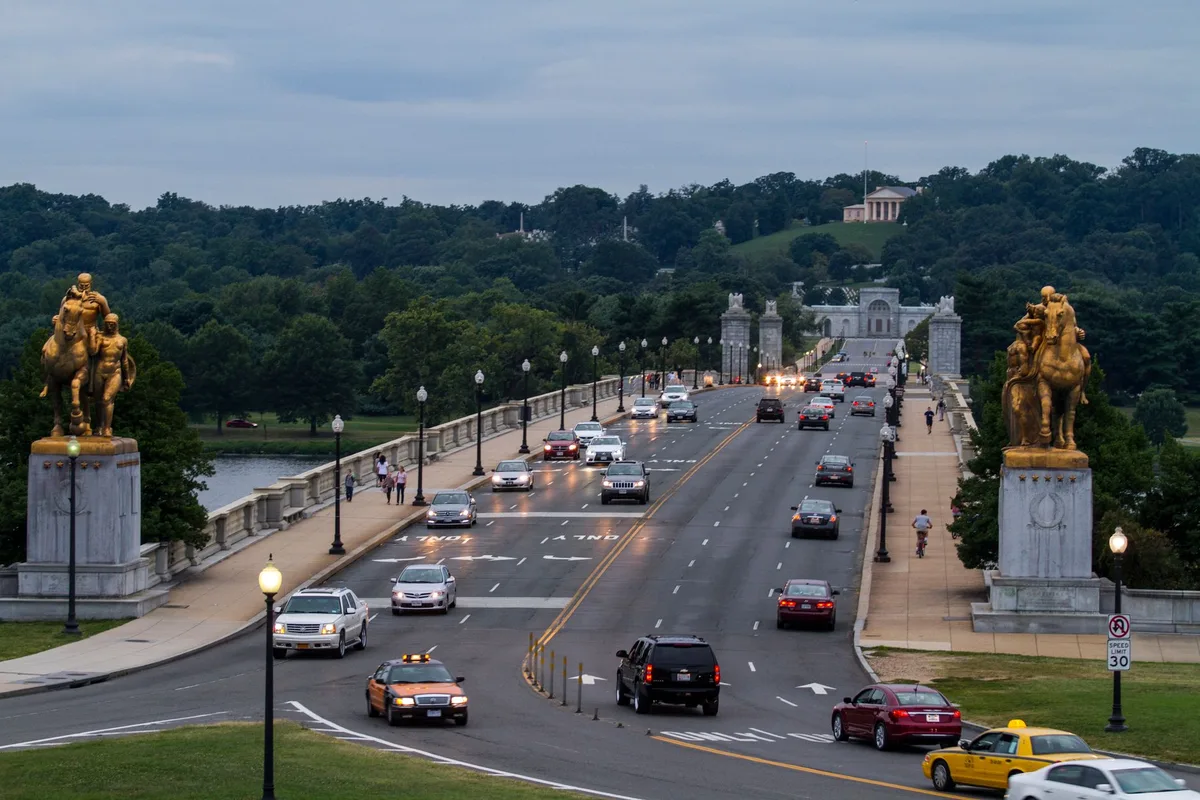
- Lincoln Memorial–Memorial Bridge–Arlington House alignment
- National Mall and surrounding grounds
- U.S. Capitol sightlines
- Washington Monument and its grounds
- Lady Bird Johnson Park
The Park Service framed the area as a deliberately composed ceremonial landscape that crosses the Potomac and was intended to convey national unity and historical continuity. By interrupting that composition, the arch would, according to NPS, change how those sites are experienced and interpreted.
Approvals, pushback and legal questions
Despite those preservation concerns, the project has already cleared several review steps. The U.S. Commission of Fine Arts granted approval of the design, and the National Capital Planning Commission approved the site and preliminary plans at its July meeting. The planning commission is scheduled to revisit the proposal in September.
The White House has defended the plan, saying officials will meet legal requirements and portraying the arch as a new landmark intended to honor veterans and their families while enhancing visitor experience at Arlington National Cemetery.
But the proposal has drawn immediate legal opposition. Three veterans and a historian filed suit arguing the monument cannot be built without explicit authorization from Congress when sited on National Park Service land in the core of Washington, D.C. Attorneys for the plaintiffs say the NPS assessment bolsters their argument that the project lacks proper authorization.
Why this matters now
The dispute combines preservation policy, federal review procedures and constitutional questions about who can authorize new monuments on national lands. If the courts agree that congressional approval is required, the case could block construction and set a precedent limiting executive-driven memorial projects.
For residents and visitors, the debate is about more than aesthetics: it concerns how national memory is arranged across public space and who gets to reshape those symbolic landscapes.
Next milestones to watch are the September session of the National Capital Planning Commission and progress in the litigation. Depending on those outcomes, Congress or the courts may determine the next step for the proposed arch.