Show summary Hide summary
Joel Embiid was held scoreless from the field on Friday night — only the second time in his NBA career and the first such night in seven years — a result that has intensified questions about his fitness and what it means for the Philadelphia 76ers’ title window. The slump is more than a single bad outing: shooting numbers and on-court mobility suggest the concern is immediate and tangible for a team built around his two-way presence.
This season Embiid is shooting a career-low 38 percent from the floor, and he has missed 17 three-point attempts across his last six games without a make. Those figures coincide with a team reconfigured around new stars and a season-opening performance that briefly masked problems many expected to take time to iron out.
Injury history and on-court signs
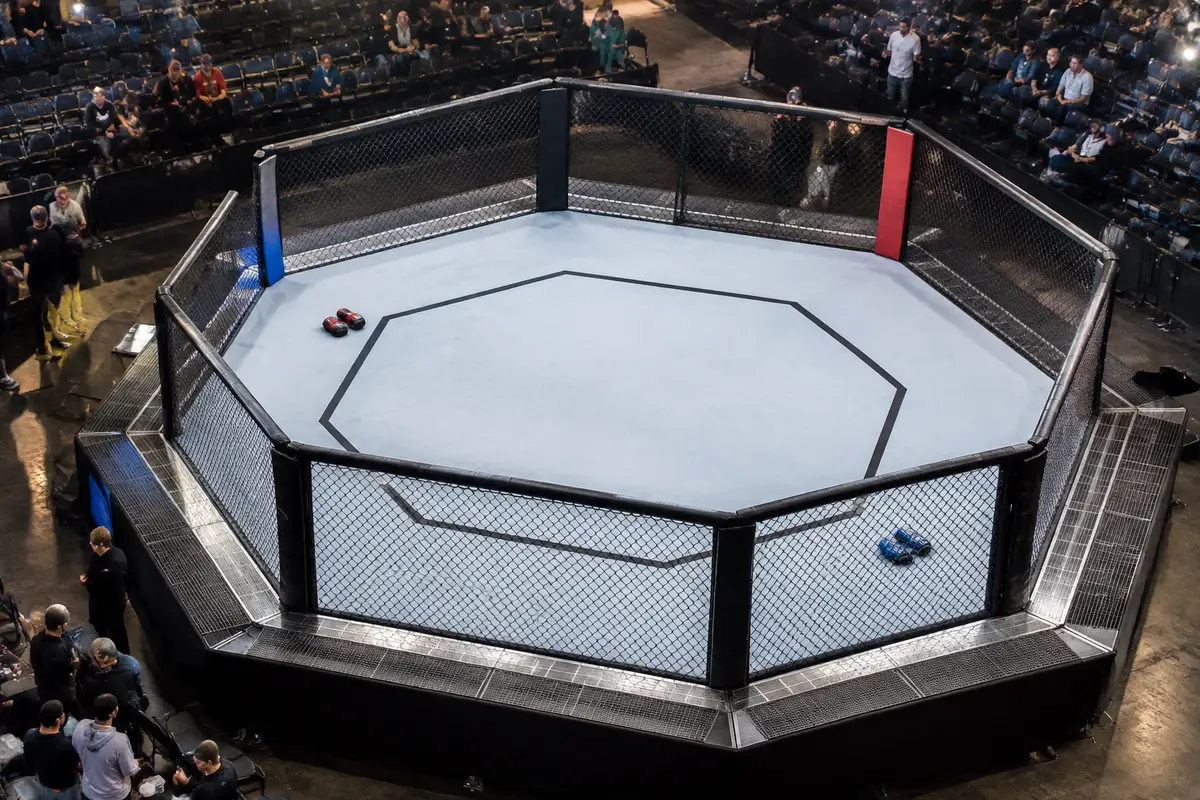
UFC Vegas 124 odds swing as two bouts get new betting favorites
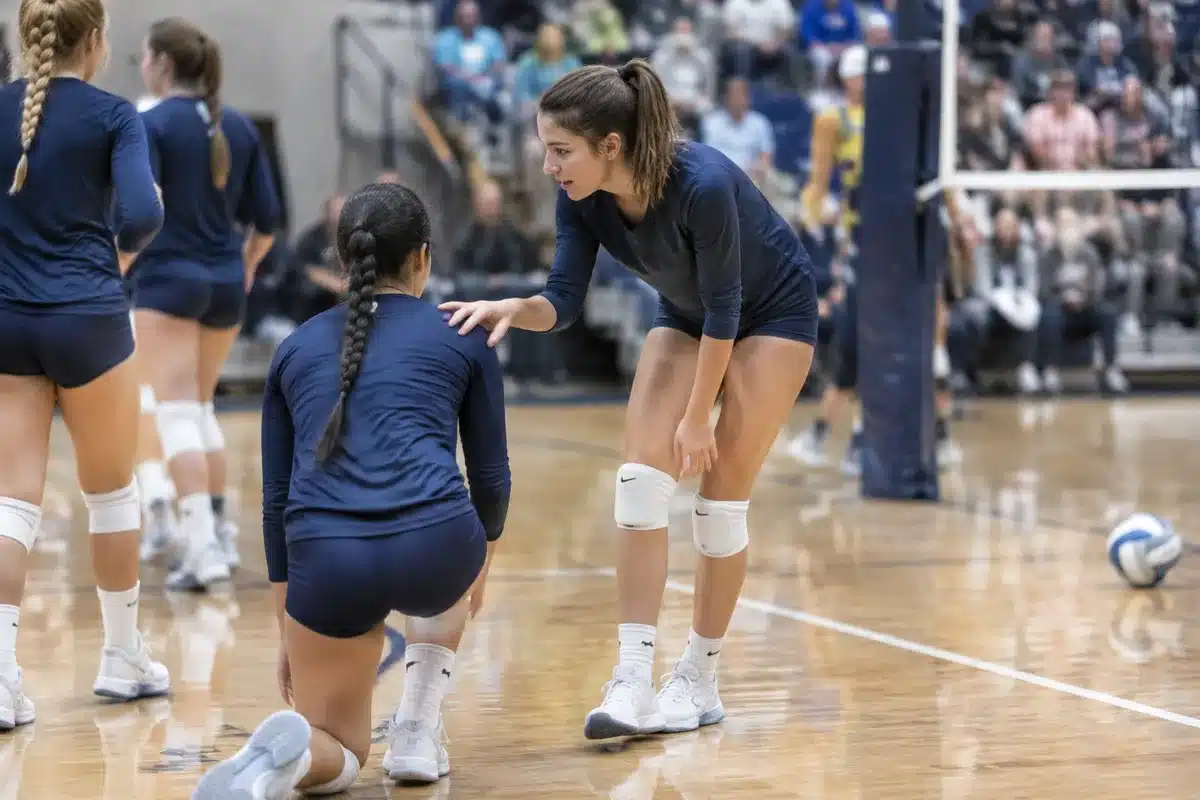
Cheyenne Central finishes third at WHSAA state volleyball championships
Embiid’s knee history is long and complicated: three documented surgeries on his left knee and continuing cartilage problems reported since 2025. While he publicly insisted he felt healthier than ever when recruiting LeBron James in the offseason, the film and the statistics show cracks.
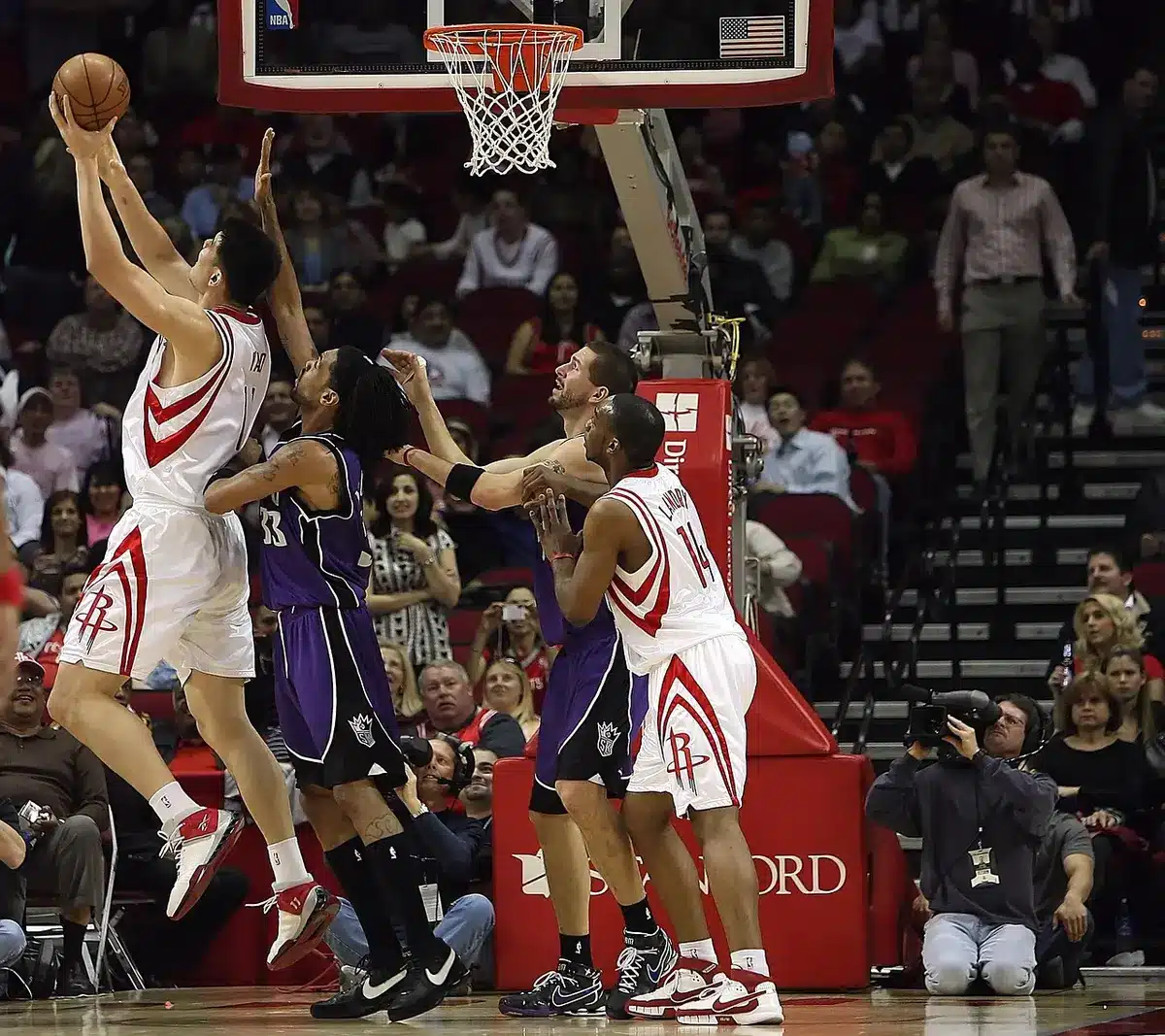
Through the opener against the Knicks, Embiid’s drop coverage and rim protection looked intact — he repeatedly disrupted Jalen Brunson drives and took strong positions on lob coverage. But over the next nine games his pick-and-roll reads have deteriorated, with opponents exploiting mismatches and forcing coverages that put him in uncomfortable spots.
Matchups exposing limitations
Against Cleveland, Evan Mobley repeatedly tested those limits, pulling Embiid away from the paint to contest perimeter shots and also placing him in decisions where either lob responsibility or perimeter closeouts were required. On multiple switches Embiid was pushed off his post position, leaving him out of his usual impact areas.
Those defensive lapses would be easier to overlook if his offensive gravity were intact. Instead, Embiid’s inability to finish or consistently threaten from distance has reduced the attention he draws and allowed opposing defenses to sag and live with contested triples.
- Current shooting slide: 0-for-17 from three in his last six games; 38% FG for the season.
- Recent outing: Second scoreless-from-field game in career, first in seven years.
- Team context: Sixers rank 20th in three-point percentage (33.3%) and 24th in scoring (109.4 PPG) through 10 games, yet hold the best record in the league.
- Roster concerns: Depth at center is thin; Adem Bona is sidelined with injury, increasing reliance on Embiid.
The offense has been buoyed by Tyrese Maxey emerging as a top-tier scoring option, a development that masks structural problems. Philadelphia’s perimeter defense has been an unexpected strength so far, but pressure defense is rarely a durable primary; it can hide, not fix, a lack of interior production and availability.
What the Sixers must weigh now
Short-term, the club can ride an early win-loss cushion while monitoring Embiid’s minutes and matchups. But if the downward trend traces back to wear or recurring knee issues, the front office faces hard choices: manage his load, pursue reinforcements before the trade deadline, or adjust the roster construction to shift the offensive burden.
Those decisions carry playoff implications. A partially available Embiid limits matchup options and complicates postseason planning; a fully healthy but aging star prompts different roster moves. Either way, Philadelphia’s margin for error is narrowing as opponents adapt and the season progresses.
For now the situation is watchful rather than dire — the Sixers lead the league early — but the coming weeks will be decisive. Monitoring Embiid’s minutes, medical updates and how the team responds in the paint will determine whether this is a temporary slump or the start of a more significant decline that requires action before rosters freeze at the trade deadline.